



Puerto Rico Employees on NAP Benefits Face Food Insecurity
Enjoying the coverage?
Puerto Rico's economy and business news, rounded up every Friday.
Sent every Friday. By subscribing, you agree to our Terms of Use and Privacy Policy.
The Short Version
- A study by Espacios Abiertos found that most employees receiving NAP benefits struggle with food insecurity.
- Low wages and high living costs in Puerto Rico contribute significantly to this widespread problem.
- The report highlights the urgent need for policy changes to address economic disparities.
- Food insecurity affects families despite one or more members being employed.
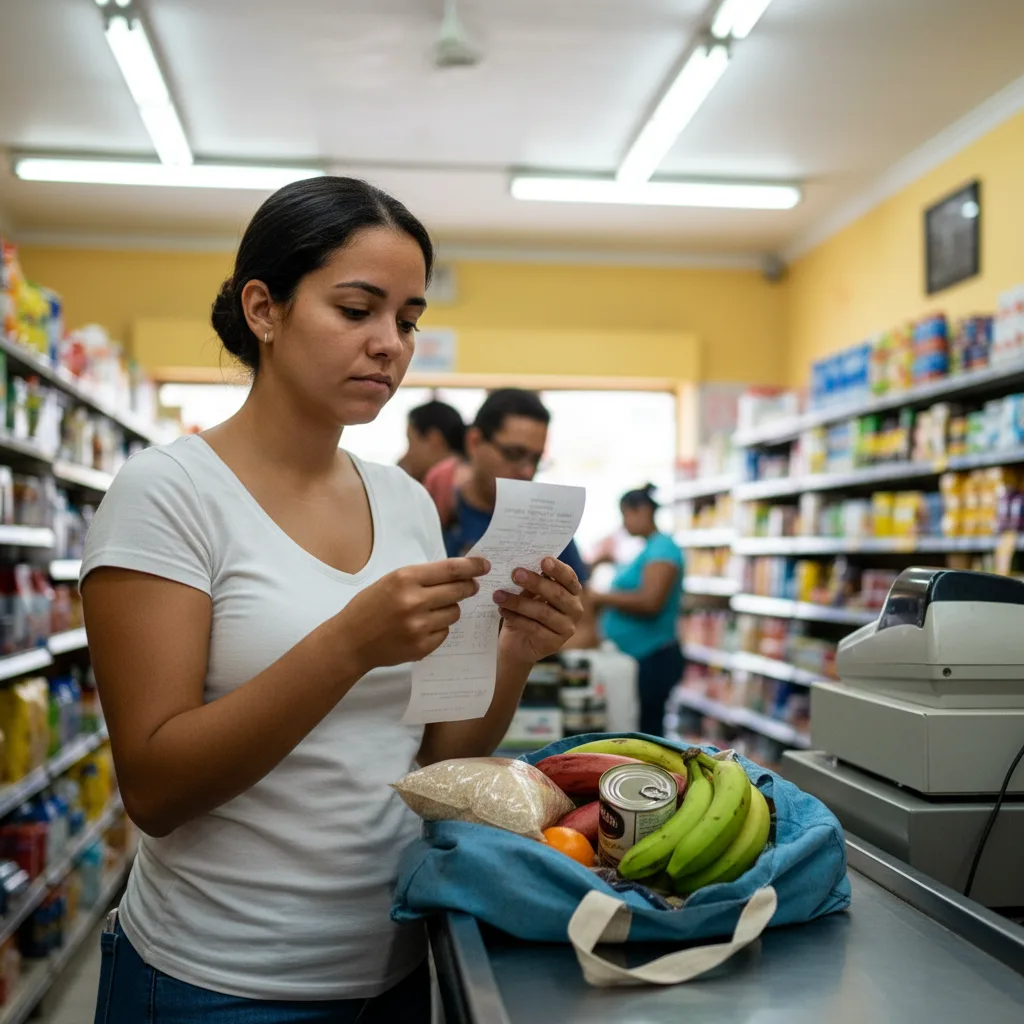
SAN JUAN: Employees who receive Nutritional Assistance Program (NAP) benefits in Puerto Rico are largely experiencing food insecurity this week, as reported by El Nuevo Día, according to a study by Espacios Abiertos. This situation highlights a significant challenge for working families on the island.
Encanto Weekly
Puerto Rico's economy and business news, rounded up every Friday.
Sent every Friday. By subscribing, you agree to our Terms of Use and Privacy Policy.
Espacios Abiertos Study Reveals Widespread Issue
A recent study conducted by Espacios Abiertos, an investigative organization, brought to light the extent of food insecurity among employed individuals receiving NAP benefits. The research indicates that a substantial majority of these employees cannot afford to feed their families adequately, despite having jobs. This finding challenges the notion that employment alone guarantees food stability.
The study's methodology involved surveying and analyzing the economic conditions of households across various municipalities in Puerto Rico. It underscores that even with formal employment and supplemental assistance, families are still struggling to meet basic nutritional needs. This reality affects a significant portion of the working-class population on the island.
Low Wages and High Costs Fuel Insecurity
The primary drivers behind this food insecurity are identified as persistently low wages and the high cost of living in Puerto Rico. Many jobs available on the island do not offer a living wage sufficient to cover essential expenses, including nutritious food, housing, and transportation. This economic imbalance forces families to make difficult choices between necessities.
El Nuevo Día reported that the gap between income and expenses has widened, particularly for those at the lower end of the wage spectrum. The cost of food, housing, and utilities continues to rise, outpacing wage growth. This disparity means that even a full-time job may not lift a family out of poverty or ensure their access to adequate nutrition.
Impact on Families and Children
The consequences of food insecurity are profound, particularly for families with children. Inadequate access to nutritious food can lead to long-term health problems, reduced educational attainment, and a cycle of poverty. The Espacios Abiertos study emphasizes that children in these households are especially vulnerable to the effects of poor nutrition.
Parents often skip meals or reduce portion sizes to ensure their children have enough to eat, an unsustainable coping mechanism. This situation creates a stressful environment for families, impacting mental health and overall well-being. Addressing this issue requires a comprehensive approach that considers the broader social determinants of health.
Policy Recommendations for Economic Relief
The Espacios Abiertos study concludes with several policy recommendations aimed at alleviating food insecurity and improving the economic conditions of working families. These recommendations include advocating for an increase in the minimum wage to align with the actual cost of living in Puerto Rico. Another key proposal is to expand the eligibility and benefits of social safety net programs to provide more robust support.
Experts suggest that a multi-pronged strategy involving government, employers, and community organizations is necessary. This includes initiatives to create better-paying jobs, provide affordable housing options, and strengthen food assistance programs. Such measures are crucial for fostering a more equitable economic environment and ensuring food security for all residents.
Federal Assistance and Local Efforts
Federal programs, such as the Nutritional Assistance Program (NAP), play a vital role in supporting low-income families in Puerto Rico. However, the study's findings suggest that these programs alone are not sufficient to counteract the combined effects of low wages and high living costs. Local organizations and government agencies are also working to address the issue through food banks, community gardens, and educational initiatives.
Despite these efforts, the scale of food insecurity among employed NAP beneficiaries indicates a systemic problem requiring more substantial policy interventions. The effectiveness of current assistance programs is continuously evaluated, with calls for adjustments to better meet the needs of the population. Efforts like FEMA approving $150 million for disaster recovery also play a role in long-term stability.
What the Reports Don't Say
- The specific number or percentage of employees receiving NAP benefits experiencing food insecurity is not provided in the summary.
- Details on the types of employment held by these individuals are not specified.
- The study does not explicitly outline the timeline for implementing its policy recommendations or potential impacts.
Sources
Compiled by the Encanto News Desk from the sources listed below with AI assistance.
- [Reporting] Most employees who receive NAP benefits experience food insecurity - El Nuevo Día: El Nuevo Día
Frequently Asked Questions
What is food insecurity?
Food insecurity refers to the state of being without reliable access to a sufficient quantity of affordable, nutritious food. It means that individuals or families struggle to consistently obtain enough food for an active, healthy life due to financial constraints or other barriers.
What are NAP benefits in Puerto Rico?
NAP benefits, or Nutritional Assistance Program benefits, are a form of federal aid provided to low-income individuals and families in Puerto Rico to help them purchase food. The program aims to alleviate hunger and promote better nutrition among eligible residents, complementing other efforts for economic stability.
What factors contribute to food insecurity among employed individuals in Puerto Rico?
Food insecurity among employed individuals in Puerto Rico is primarily driven by a combination of low wages and the high cost of living. Many jobs do not pay enough to cover basic necessities like food, housing, and utilities, forcing families to choose between competing needs despite having one or more working members.
Written by
Encanto News Staff
Encanto News
Encanto Weekly
Puerto Rico's economy and business news, rounded up every Friday.
Sent every Friday. By subscribing, you agree to our Terms of Use and Privacy Policy.
Related Articles
More in Economy & Business →
AbbVie's $217 Million Barceloneta Expansion Tests Puerto Rico Permitting
AbbVie is investing $217 million to expand its Barceloneta facility, with $121 million for machinery and $96 million for infrastructure, setting a key test for Puerto Rico's permitting process.

Genera PR Proposes LUMA Energy Surplus Mitigate Power Costs
Genera PR proposed to the Energy Bureau on Tuesday, November 24, 2026, that LUMA Energy's projected budget surplus be used to mitigate high energy costs for consumers.

González Awaits FOMB Response on Puerto Rico Energy Cost Mitigation
Resident Commissioner Jenniffer González awaits a response from Puerto Rico’s FOMB regarding an energy-cost mitigation request with a proposed IVU exemption.

Toa Baja Gains Access to Puerto Rico Commercial Credit Market
Toa Baja became the 11th municipality in Puerto Rico to receive access to the commercial credit market on November 24, 2026.

Puerto Rico's 'Crudita' Fuel Tax Remains in Effect for 2026
Puerto Rico's "crudita" fuel tax, temporary in 2015 and structural in 2026, remains in effect as of Tuesday, November 24, 2026, as repeal efforts fail to find offsets.

Fiscal Oversight Board Criticizes DDEC Fund Management
The Fiscal Oversight Board criticized the Department of Economic Development and Commerce's fund management, prompting DDEC Secretary Manuel Cidre to request a meeting on Tuesday, November 24, 2026.