



Trump Administration Seeks to Restrict SNAP Access in Puerto Rico
Enjoying the coverage?
What La Fortaleza, the Capitol and the Oversight Board did this week, every Friday. Free; unsubscribe in one click.
Sent every Friday. By subscribing, you agree to our Terms of Use and Privacy Policy.
The Short Version
- The U.S. Department of Agriculture is reviewing a rule to lower income limits for SNAP eligibility.
- This proposed change could significantly restrict access to Supplemental Nutrition Assistance Program benefits for Puerto Ricans.
- Puerto Rican authorities are actively seeking to prevent the implementation of these tighter restrictions.
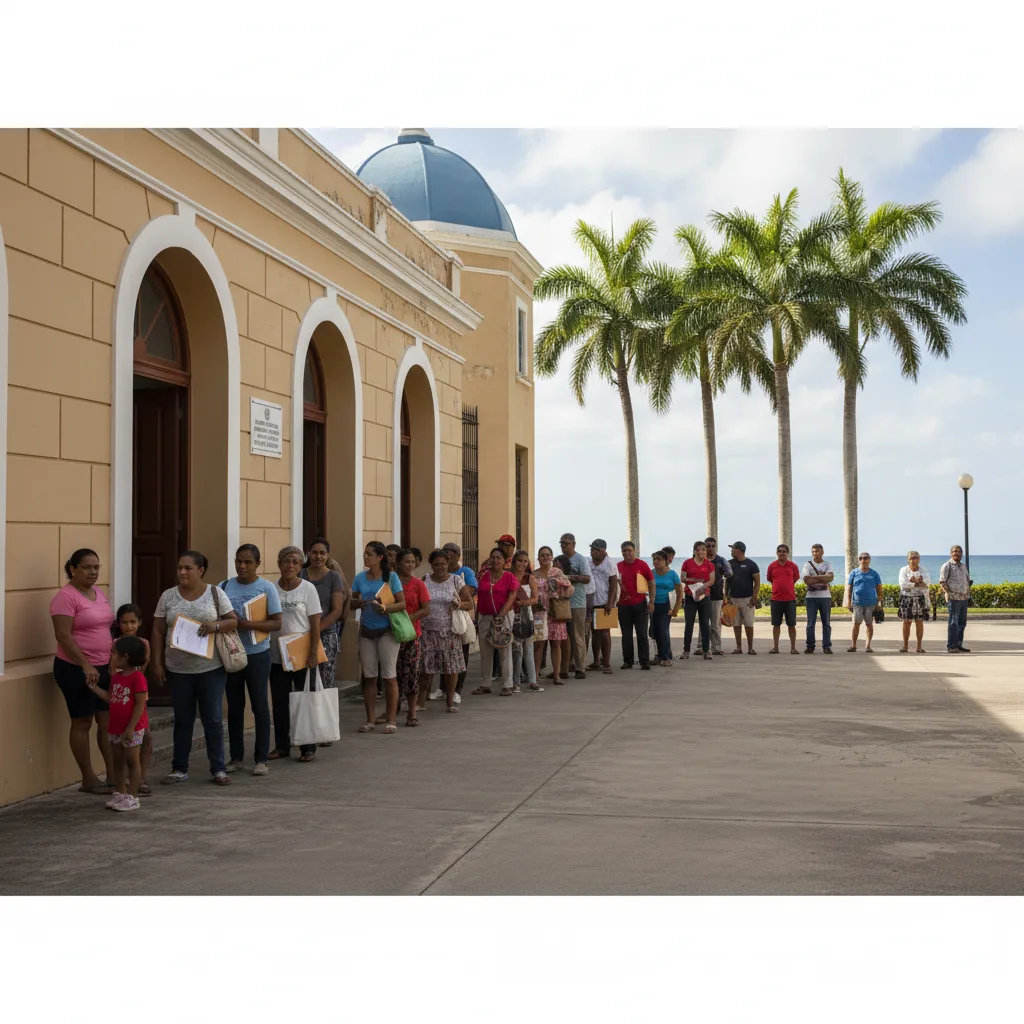
SAN JUAN — Residents across Puerto Rico could face tighter restrictions on Supplemental Nutrition Assistance Program (SNAP) eligibility this week, as the U.S. Department of Agriculture reviews a rule that would lower income limits to qualify for benefits, El Nuevo Día reported. Puerto Rican authorities are actively working to prevent the implementation of these proposed changes by the Trump administration.
Encanto Weekly
What La Fortaleza, the Capitol and the Oversight Board did this week, every Friday. Free; unsubscribe in one click.
Sent every Friday. By subscribing, you agree to our Terms of Use and Privacy Policy.
Proposed SNAP Rule Change and Eligibility Concerns
The Trump administration's initiative, spearheaded by the U.S. Department of Agriculture (USDA), seeks to revise the income thresholds for SNAP qualification. The proposed rule change aims to lower the maximum income a household can earn while still receiving benefits. For Puerto Rico, where economic conditions are particularly fragile, such a change could disproportionately affect a large segment of the population currently reliant on food assistance.
This adjustment is part of a broader effort by the administration to reform federal assistance programs. However, for a territory like Puerto Rico, which has endured significant economic challenges and natural disasters, any tightening of benefits raises concerns about food security and the well-being of its most vulnerable citizens, according to El Nuevo Día.
Puerto Rican Authorities Oppose Stricter Access
In response to the USDA's review, Puerto Rican authorities are actively lobbying and seeking to halt the proposed restrictions. Their efforts highlight the unique socio-economic circumstances of the island, arguing that reduced SNAP access would exacerbate existing hardships. These authorities are engaging with federal counterparts to explain the potential negative impacts on families and the local economy.
Officials are advocating for an exemption or a modification that recognizes Puerto Rico’s distinct needs, emphasizing the role SNAP plays in providing a safety net for many households. The pushback reflects a unified front from the island's leadership against policies perceived as detrimental to its residents. For instance, discussions around federal policies often touch upon Puerto Rico's self-governance capabilities and its unique political status.
Historical Context of Federal Aid in Puerto Rico
Federal assistance programs, including SNAP, have historically been crucial for Puerto Rico, especially following devastating events like hurricanes. These programs provide vital support for food, housing, and disaster recovery. Any alteration to eligibility criteria is often met with significant concern due to the island's prolonged economic fragility and its status as a U.S. territory with specific federal program adaptations.
The history of federal aid in Puerto Rico is complex, often involving debates over parity and equitable access compared to mainland states. This proposed SNAP restriction reopens those discussions, highlighting the delicate balance between federal policy and local needs. The current administration's stance on aid has been a recurring theme in federal-territorial relations.
Potential Impact on Food Security and Local Economy
Should the proposed rule lowering income limits be implemented, a significant number of Puerto Rican households could lose their SNAP benefits. This would directly impact food security for thousands, potentially increasing rates of hunger and poverty. Economically, a reduction in benefits could also lead to a decrease in consumer spending, affecting local grocery stores and the agricultural sector.
Community organizations and advocacy groups are raising alarms about the humanitarian consequences. They argue that the measure could unravel years of efforts to stabilize households and build resilience within communities. The debate around SNAP eligibility is therefore not just about policy, but about the fundamental quality of life for many island residents.
What the Reports Don't Say
- The specific date by which the USDA expects to finalize its review of the proposed SNAP rule was not specified.
- The exact number of Puerto Rican households or individuals who would be affected by the proposed income limit changes was not provided.
Sources
Compiled by the Encanto News Desk from the sources listed below with AI assistance.
- [Reporting] The Trump administration wants to restrict access to SNAP - El Nuevo Día
Frequently Asked Questions
What is the Trump administration proposing regarding SNAP benefits?
The Trump administration, through the U.S. Department of Agriculture, is reviewing a rule that would lower the income limits required to qualify for Supplemental Nutrition Assistance Program (SNAP) benefits. This proposal could restrict access for many households in Puerto Rico currently receiving aid.
Why are Puerto Rican authorities opposing these changes to SNAP?
Puerto Rican authorities are actively opposing these proposed changes because they believe tighter SNAP restrictions would severely impact the island's vulnerable population and exacerbate existing economic hardships. They are advocating for the unique socio-economic conditions of Puerto Rico to be considered, arguing that reduced access to benefits would jeopardize food security for many families.
Written by
Encanto News Staff
Encanto News
Encanto Weekly
What La Fortaleza, the Capitol and the Oversight Board did this week, every Friday. Free; unsubscribe in one click.
Sent every Friday. By subscribing, you agree to our Terms of Use and Privacy Policy.
Related Articles
More in Government & Politics →
Permit Reform Bill Delayed to January 2027 by Legislative Impasse
Puerto Rico's permit reform bill, an 800-page measure, failed to gain legislative agreement by November 17, 2026, delaying its consideration until January.

Governor González Considers Special Session on Energy Costs
Governor Jenniffer González Colón is considering a special legislative session to address Puerto Rico's electricity costs, following a natural gas supply interruption.
Oreste Ramos, Former Puerto Rico Senator and Statehood Advocate, Dies at 80
Former Puerto Rico Senator and statehood advocate Oreste Ramos died at the age of 80 on November 17, 2026, Senate President Thomas Rivera Schatz announced.

Puerto Rico Supreme Court Sanctions Siblings for AI-Generated Citations
The Puerto Rico Supreme Court sanctioned two siblings $1,000 for submitting legal briefs with 23 false, AI-generated citations.

Governor González Rejects AAA Vehicle Fleet Crisis Claims
Governor Jenniffer González stated the Puerto Rico Aqueduct and Sewer Authority is not facing a vehicle fleet crisis, operating with over 2,690 owned vehicles.

Isabela Mayor Carlos Méndez Begins Campaign for PPD Board Seats
Isabela Mayor Carlos Méndez announced he is moving votes for two Popular Democratic Party (PPD) board seats.