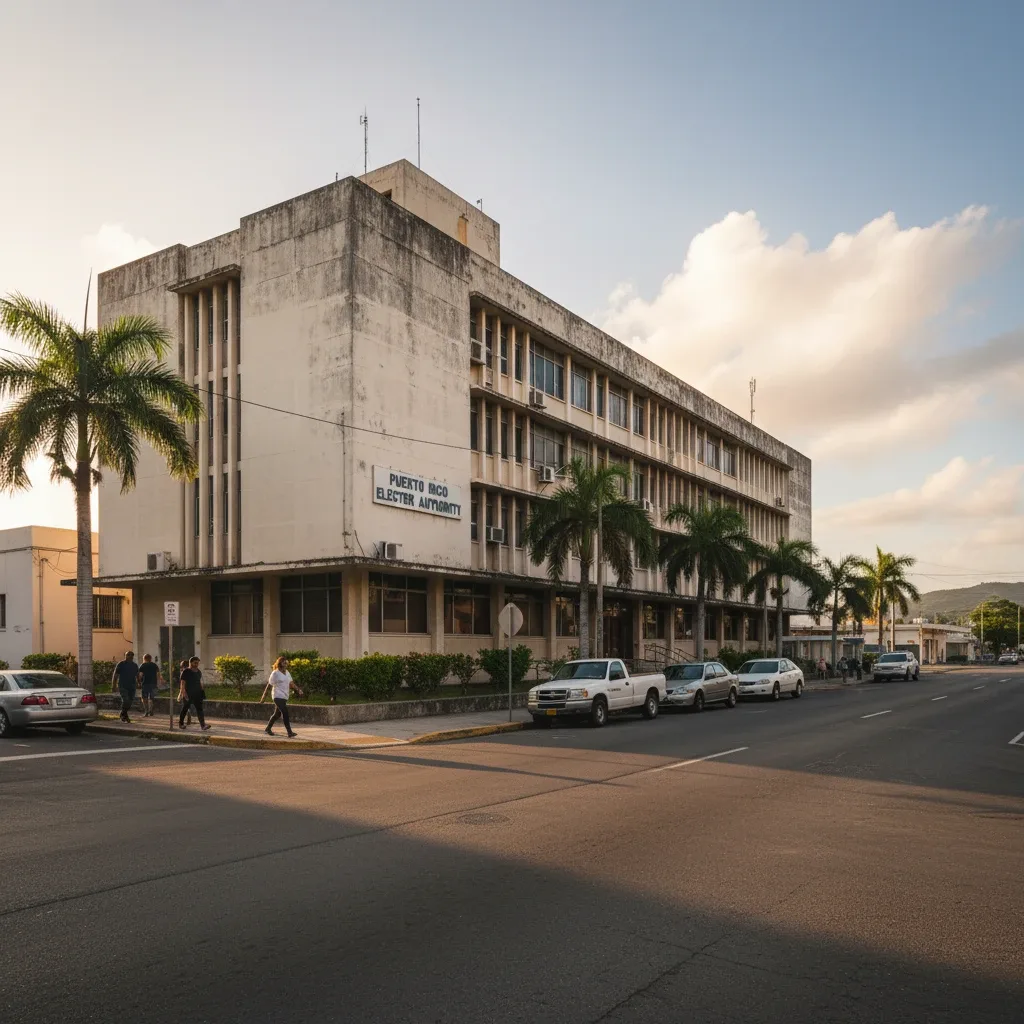
Water Utility Crisis Drives Up Operating Costs for Tourism Industry

SAN JUAN — Over 65 percent of hospitality businesses in Puerto Rico have reported a dramatic rise in operating costs due to chronic water infrastructure failures, according to a business impact survey published by El Nuevo Día. The study reveals that hotels and guest houses are spending thousands of dollars monthly on private water trucks and structural filtration systems to maintain guest services.
Island-Wide Aqueduct Failures Force Hotels to Purchase Private Water
Water supply interruptions have become a near-daily challenge for boutique hotels located in historic areas like Old San Juan and coastal zones like Ocean Park. To prevent cancellation waves, hospitality operators are relying on diesel-powered cistern pumps and importing industrial-grade water filtration systems.
These adjustments have caused a direct spike in room maintenance costs, making the local tourism sector less competitive against neighboring Caribbean destinations. The Puerto Rico Tourism Company has warned that persistent utility instability could damage the island's long-term travel reputation if left unaddressed.
Tourism Executive Director Outlines Critical Private Sector Pressures
"The high costs of securing private water services are placing immense pressure on our mid-sized tourism operators, who must maintain five-star standards without basic utility reliability," Puerto Rico Tourism Company Executive Director Miguel Vega said Thursday. Vega added that the department is coordinating with the Aqueduct and Sewer Authority to prioritize tourism corridors during scheduled maintenance shutdowns.
Local hotel owners have expressed frustration, stating that they are effectively paying double for water utility services. Many are calling for municipal tax offsets to help recover the capital spent on emergency utility infrastructure.
Hospitality Sector Adapts to Chronic Water Shortages with Green Tech
Several major resorts along the northern coast have begun installing decentralized graywater recycling systems to reduce reliance on the public aqueduct. These systems recycle laundry and sink water for landscaping, cutting overall municipal consumption by up to 30 percent.
However, smaller guest houses lack the physical space and capital to install complex water reclamation systems. This inequality is fueling local tension, similar to the protests covered in our report on Ocean Park residents water crisis, where neighborhood groups and business owners protested the long-term utility neglect.
Historical Performance of Regional Water Infrastructure Systems
The island's water transmission system has suffered from decades of deferred maintenance and inadequate reservoir dredging. Silt accumulation has reduced the storage capacity of key reservoirs like Carraízo and La Plata, leading to rapid water level drops during dry spells.
This structural deficit is compounded by the high energy costs required to run pumping stations across the island's mountainous terrain. The financial instability of the public water utility has repeatedly limited its ability to secure low-interest loans for system-wide pipe replacements.
Tourism Corridors Demand Emergency Infrastructure Funding Allocation
San Juan municipal officials are currently evaluating a proposal to establish dedicated water storage facilities for commercial zones along Ashford Avenue in Condado. The project would require a projected $12 million investment, funded through a combination of municipal bonds and federal economic development grants.
Meanwhile, tourism operators are bracing for the high-occupancy summer season, when water demand typically peaks. Industry leaders emphasize that the long-term health of the tourism economy depends on permanent, structural utility overhauls rather than temporary emergency trucking.
Frequently Asked Questions
How does the water utility crisis impact travelers visiting Puerto Rico?
Most large resorts and hotels have installed backup cistern systems to ensure guests experience uninterrupted water service. However, travelers staying in boutique properties or short-term rentals may occasionally encounter low water pressure or short service suspensions during municipal maintenance windows.
What measures are local authorities taking to stabilize the water supply in San Juan?
The Aqueduct and Sewer Authority is executing a series of pressure-management programs and pipe replacement projects in the metropolitan area. Additionally, federal funds have been allocated to dredge major reservoirs, which will increase long-term water storage capacity during dry seasons.
Written by
Newstrix AI
Encanto News
Related Articles
More in Tourism & Travel →
Ponce Hotels Record Surging Bookings After Historic Zone Renovations
Boutique hotels in Ponce, Puerto Rico, are reporting record occupancy rates following a successful municipal restoration of the historic zone.
Ponce Tourism Sector Recovers Following Historic Zone Renovations
Ponce's tourism sector is experiencing a rapid recovery following the completion of a major $4.5 million restoration of its historic colonial plazas.