Puerto Rico Drought 2026: Over 61% of Island Experiencing Dry Conditions
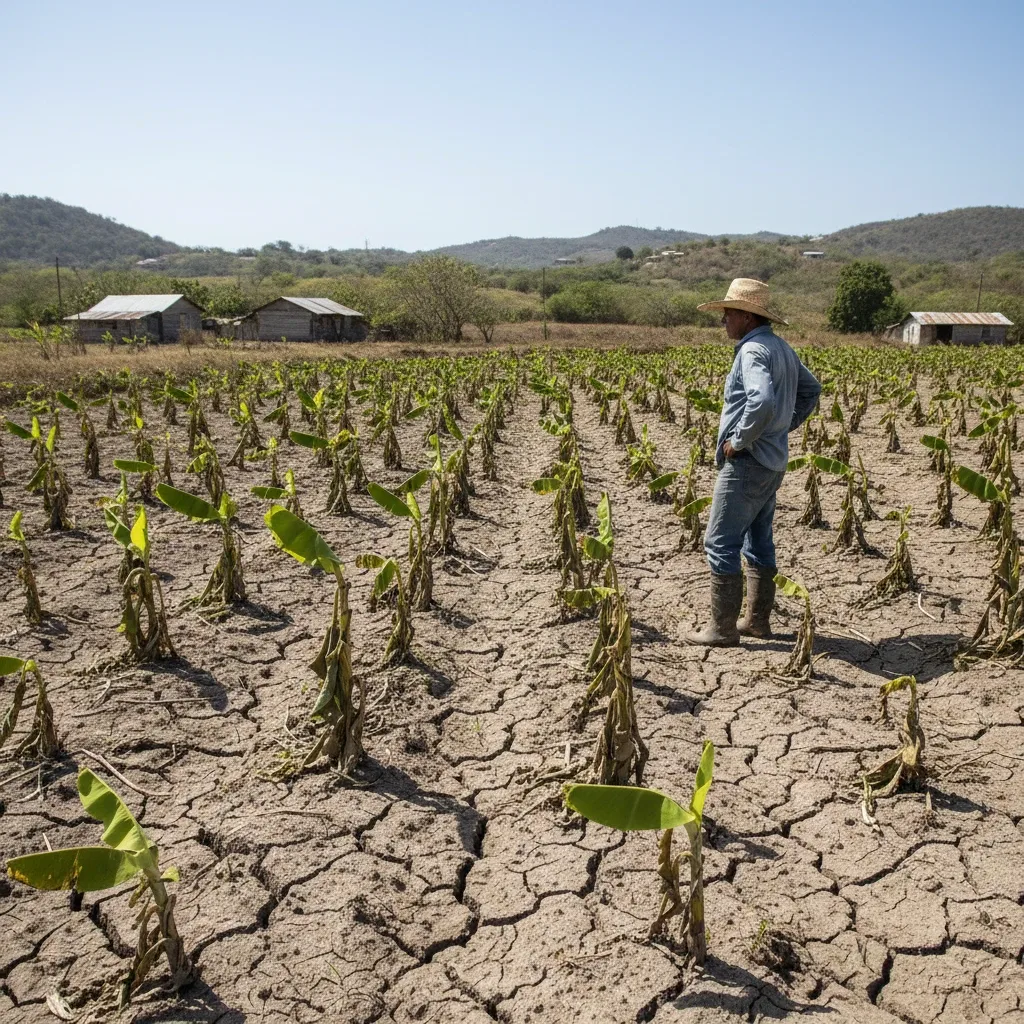
SAN JUAN — Residents across Puerto Rico are experiencing increased water restrictions and growing concern as 61.4% of the island now faces some level of drought, with an additional 21.3% remaining abnormally dry as of Thursday. The U.S. Drought Monitor reported a significant deterioration in moisture conditions across the territory. This escalating dry spell impacts agriculture, water reserves, and daily life for hundreds of thousands of residents.
U.S. Drought Monitor Confirms Worsening Conditions
The latest data from the U.S. Drought Monitor, valid July 7, indicates that 50.9% of Puerto Rico is currently in moderate drought, while 10.5% is experiencing severe drought. This marks a notable increase from previous weeks, with several municipalities now facing heightened water conservation measures. The San Juan Daily Star first reported these concerning figures, highlighting the rapid decline in water availability across various regions.
Water utilities are urging citizens to reduce consumption immediately to prevent more drastic rationing. The dry conditions have been attributed to lower-than-average rainfall over the past several months, compounded by higher temperatures. Experts warn that without significant rainfall soon, the situation could further escalate, impacting critical sectors.
Agricultural Sector Under Pressure From Puerto Rico Drought 2026
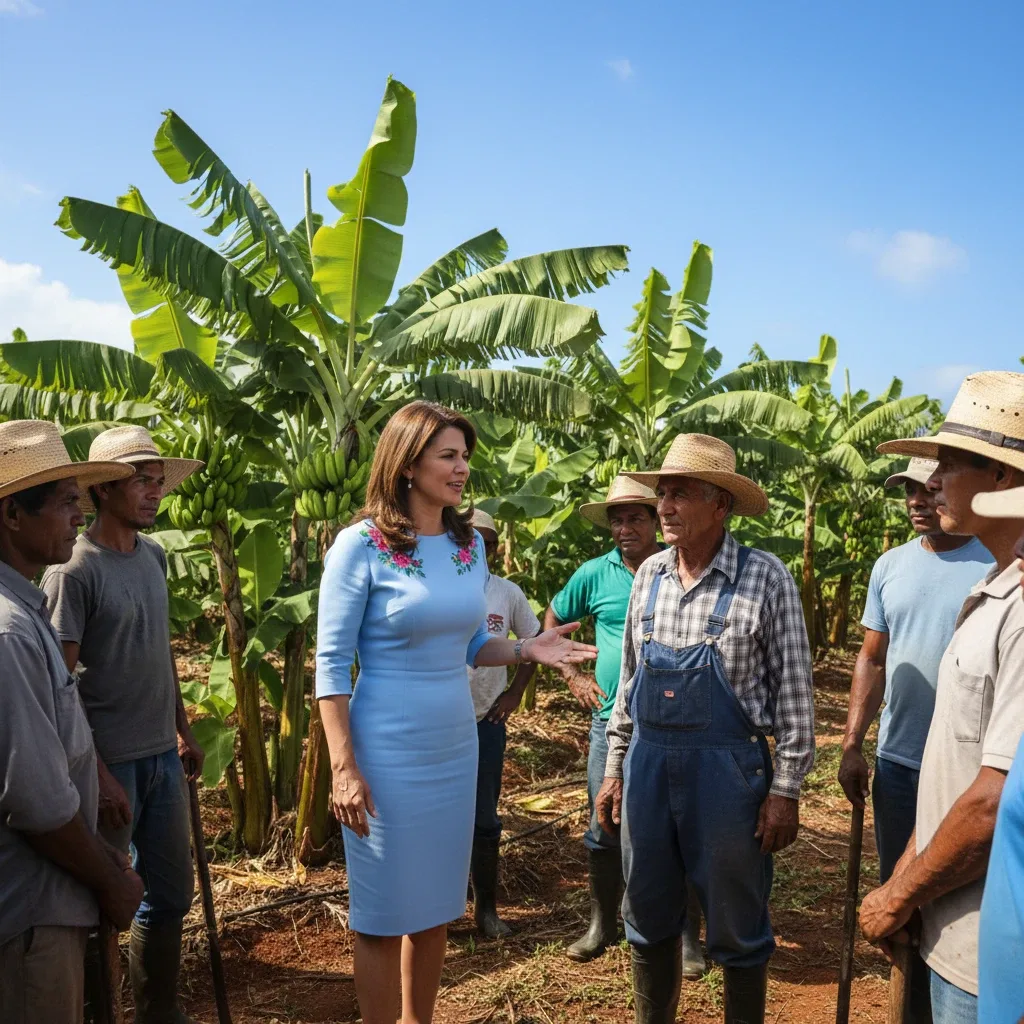
The extended dry period poses a serious threat to Puerto Rico's agricultural sector, which relies heavily on consistent rainfall. Farmers are reporting reduced crop yields and increased operational costs due to the need for supplementary irrigation. Many small farmers, already operating on thin margins, face the potential for significant financial losses, according to local agricultural cooperatives.
"We are seeing our crops wither, and the cost of irrigation is becoming unsustainable for many," said Maria Elena Rodriguez, president of the Association of Farmers of Puerto Rico. She added that while the government's Puerto Rico agricultural incentives 2026 are crucial, they are not enough to combat prolonged drought without adequate water resources. The current dry spell exacerbates the challenges already faced by local food producers.
Impact on Water Reserves and Public Utilities
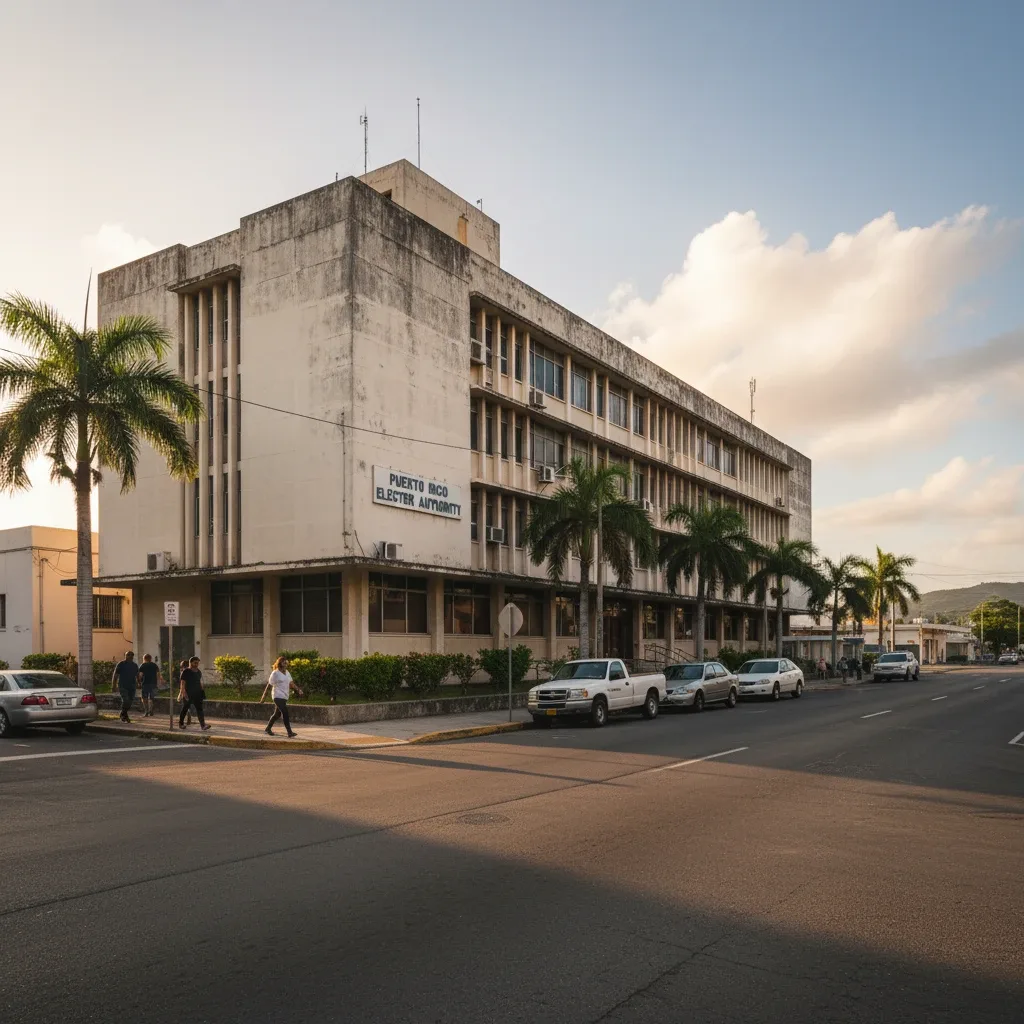
The primary reservoirs supplying drinking water to large urban centers, including San Juan and Ponce, are showing declining levels. The Aqueduct and Sewer Authority (AAA) has begun implementing pressure reductions and scheduled service interruptions in some areas. These measures are designed to conserve water, but they are causing significant inconvenience for residents and businesses.
Public health officials are also monitoring the situation closely, as prolonged drought can affect water quality and increase the risk of certain waterborne illnesses. The Puerto Rico drought 2026 situation means communities are being advised to boil water if they notice changes in clarity or taste, even in areas not directly impacted by current rationing. The AAA has committed to providing regular updates on reservoir levels and service adjustments.
Historical Context of Droughts in Puerto Rico
Puerto Rico has experienced several significant droughts throughout its history, with recent decades showing an increasing frequency and intensity of dry periods. Climate scientists point to shifting weather patterns, potentially linked to broader climate change, as a contributing factor. The current drought, while not unprecedented, highlights the island's vulnerability to meteorological shifts.
Past droughts have led to severe economic impacts, particularly in agriculture and tourism, and have prompted large-scale water rationing efforts. The lessons learned from these historical events are informing current mitigation strategies, though the scale of the present dry spell remains a major concern for environmental and governmental agencies. The U.S. Geological Survey has conducted extensive research on Puerto Rico's historical water patterns.
Mitigation Efforts and Community Response to Drought Conditions
In response to the deteriorating conditions, the government has launched public awareness campaigns promoting water conservation and is exploring alternative water sources, such as desalination, for future long-term resilience. Several municipalities have implemented local ordinances restricting non-essential water use, such as car washing and irrigation of lawns.
Community organizations are also distributing information on water-saving practices and organizing collection drives for bottled water in heavily affected areas. The U.S. Drought Monitor, along with local agencies, continues to provide weekly updates, emphasizing the need for collective action to manage the crisis. The full impact of the Puerto Rico drought 2026 conditions remains a central focus for both government and residents.
Frequently Asked Questions
What are the main causes behind the current Puerto Rico drought? The current drought in Puerto Rico is primarily caused by a prolonged period of below-average rainfall, exacerbated by higher-than-normal temperatures. Climate experts attribute this to shifting weather patterns in the Caribbean, which can lead to extended dry spells. The combination of insufficient precipitation and increased evaporation rates has rapidly depleted water reserves across the island.
How can residents help conserve water during these dry conditions? Residents can significantly contribute to water conservation efforts by taking shorter showers, fixing leaky faucets, only running dishwashers and washing machines when full, and limiting outdoor water use. Reusing gray water for non-potable purposes, such as watering plants, is also encouraged. The Aqueduct and Sewer Authority (AAA) offers additional tips and guidelines on its website.
Written by
Newstrix AI
Encanto News