Coastal Communities Hold Vigils and Donation Drives for Earthquake Victims
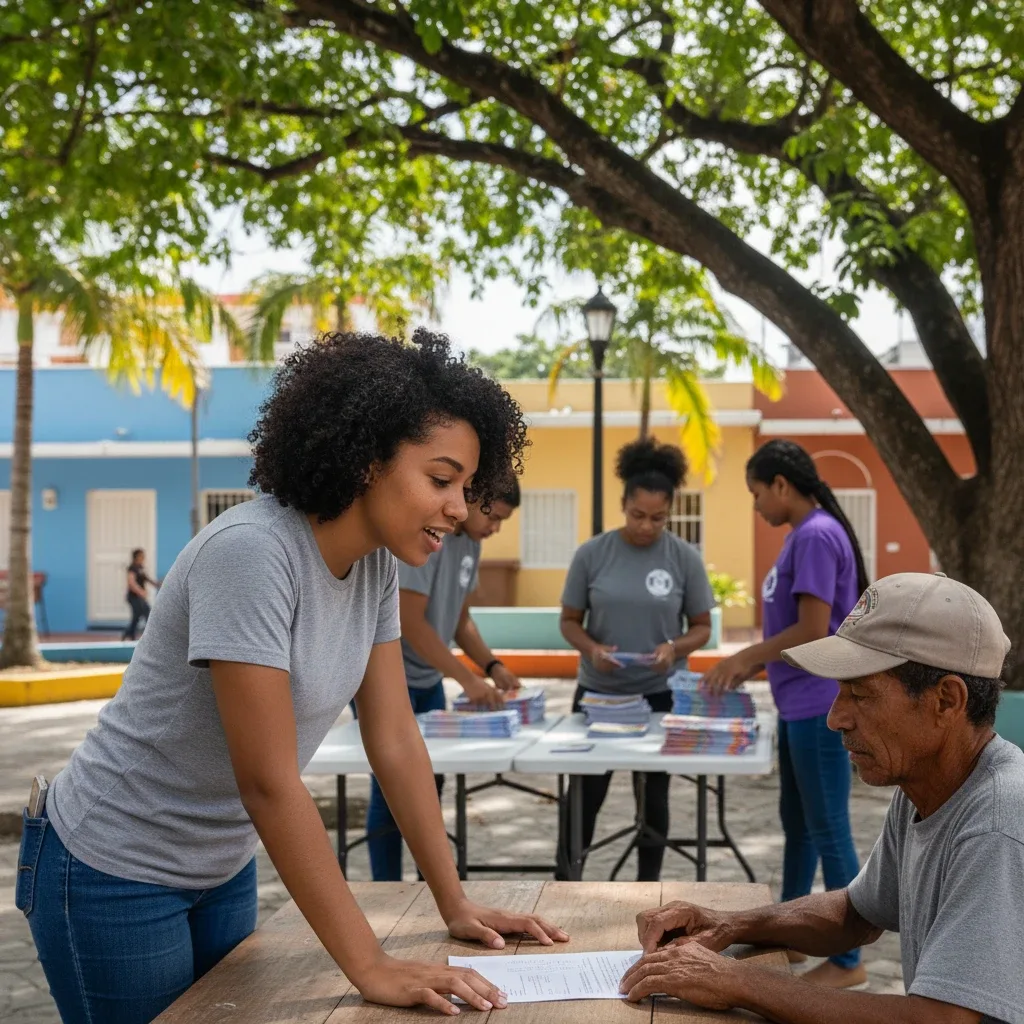
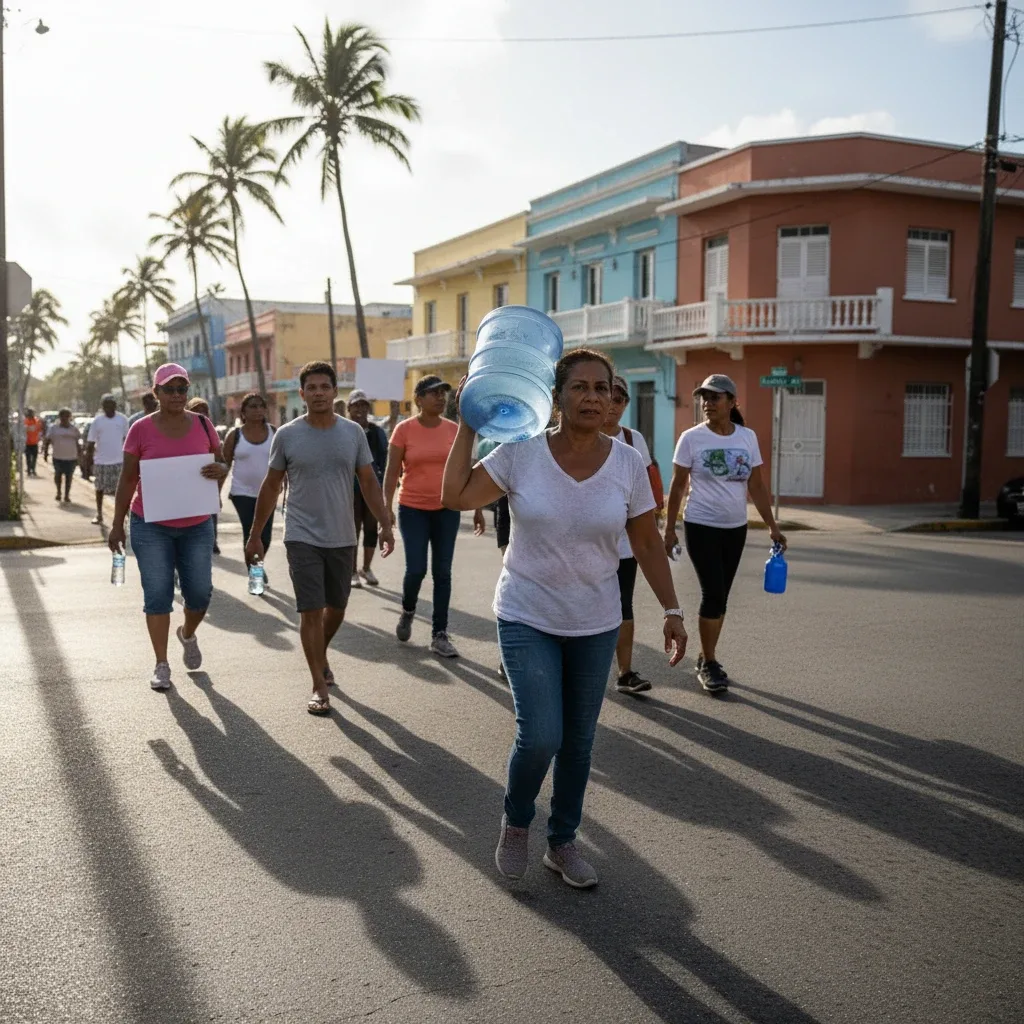
GUÁNICA — Resident groups in Guánica's historic coastal sector gathered at the Plaza Manuel de la Cruz Thursday evening to organize local donation drives and hold candlelight vigils for the victims of the catastrophic twin earthquakes that killed over 1,400 people in Venezuela this week.
The spontaneous community response highlights the deep cultural and historical ties between the southern coast of Puerto Rico and South American communities. Many local families have personal connections to Venezuela through past migrations.
Southern Towns Coordinate Emergency Disaster Relief
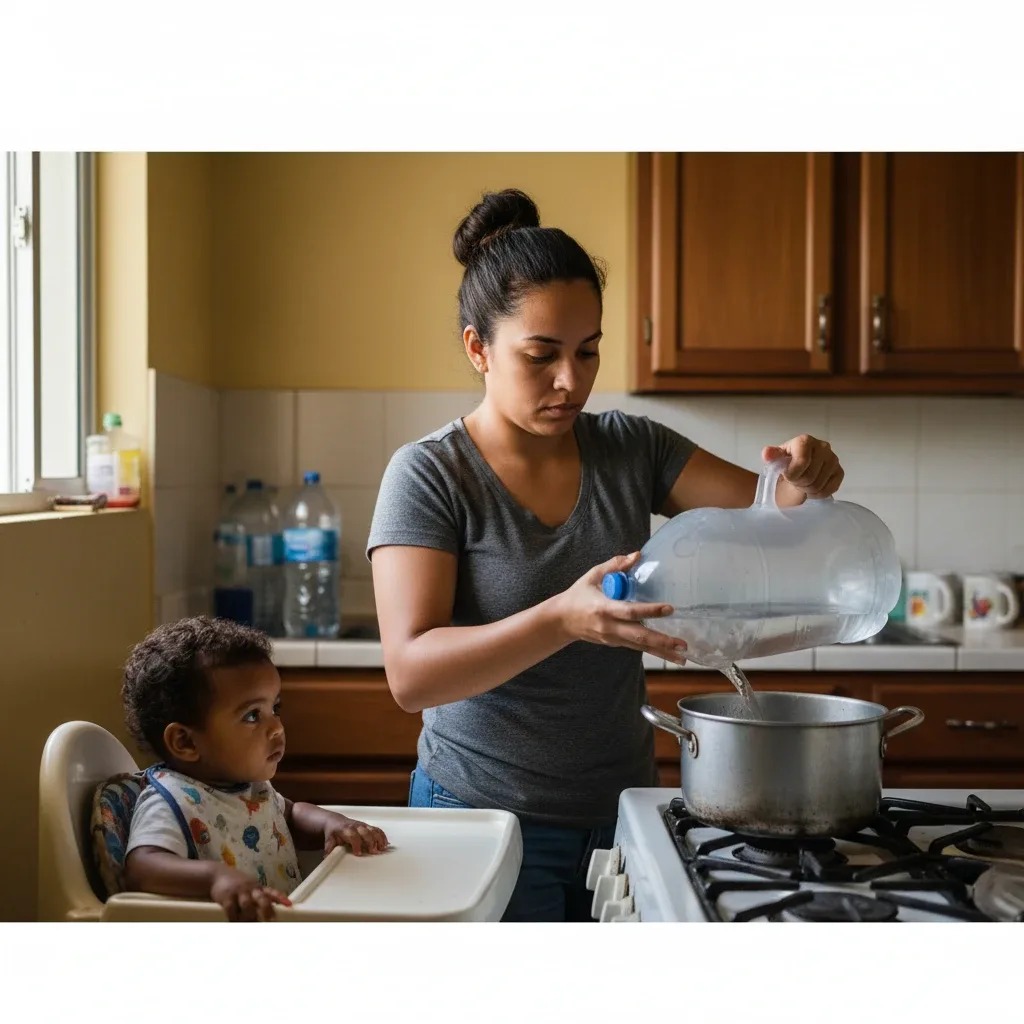
The local community center in Guánica has been transformed into a temporary collection point where volunteers are sorting non-perishable food, medical supplies, and water filtration kits. Organizers plan to coordinate with regional non-governmental organizations to ship the cargo directly to the affected zones.
According to NPR's international disaster reporting, rescue teams in Venezuela are facing major logistical challenges due to damaged mountain roads and limited fuel supplies. The slow pace of the recovery has prompted urgent calls for international aid from around the globe.
Community Leaders Express Solidarity and Shared Vulnerability
"We know exactly what it feels like to watch your home crumble in the middle of the night, and we cannot turn our backs on our neighbors in their darkest hour," Guánica Community Organizer Luis Torres said during the vigil on Thursday. Torres referred to the southwestern earthquakes that damaged hundreds of local homes in 2020.
Local churches in the neighboring town of Yauco have also launched fundraising campaigns to support emergency medical clinics operating in the disaster zone. Local school children have written letters of solidarity to be sent along with the physical relief packages.
Seismic Risk Awareness and Southern Coast Geology
The southern coast of Puerto Rico remains one of the most seismically active zones in the Caribbean, sitting directly above a complex network of undersea fault lines. The recent tragedy in South America has renewed local discussions about geological safety and emergency preparedness.
| Municipality | Active Fault Zone | Major Historic Event | Modern Shelter Capacity |
|---|---|---|---|
| Guánica | Montalva Fault | 2020 (Magnitude 6.4) | 450 people |
| Ponce | Ponce Fault | 1918 (Mona Passage) | 1,200 people |
| Yauco | Coastal Plain | 2020 (Tremors) | 350 people |
The local relief efforts show how southern communities pull together during crises. This community solidarity is also visible in other local efforts, such as the Ponce historical tourism recovery initiatives which have helped restore cultural landmarks damaged in past seismic events.
Historical Connections Between Puerto Rico and South America
The cultural links between the southern coast of Puerto Rico and Venezuela date back to the early 19th century, when hundreds of families migrated to the island during South American wars of independence. This shared heritage is reflected in local music, architecture, and family lineages across the region.
During the oil boom of the 1970s, many Puerto Rican professionals migrated to Caracas, establishing a vibrant diaspora community that maintained close ties with the island. These long-standing family networks have been crucial in organizing the current relief effort.
Next Steps in Regional Disaster Prep Coordination
The municipal emergency management office in Guánica plans to host a community-wide earthquake drill next Saturday to review local evacuation plans. Emergency coordinators will distribute educational brochures detailing how to secure furniture and structural components.
Local civic organizations are also calling on the central government to increase funding for regional seismic monitoring stations. Advocates emphasize that continuous scientific data is essential for protecting vulnerable coastal towns from future geological hazards.
Frequently Asked Questions
How can local residents donate supplies to the South American earthquake relief effort?
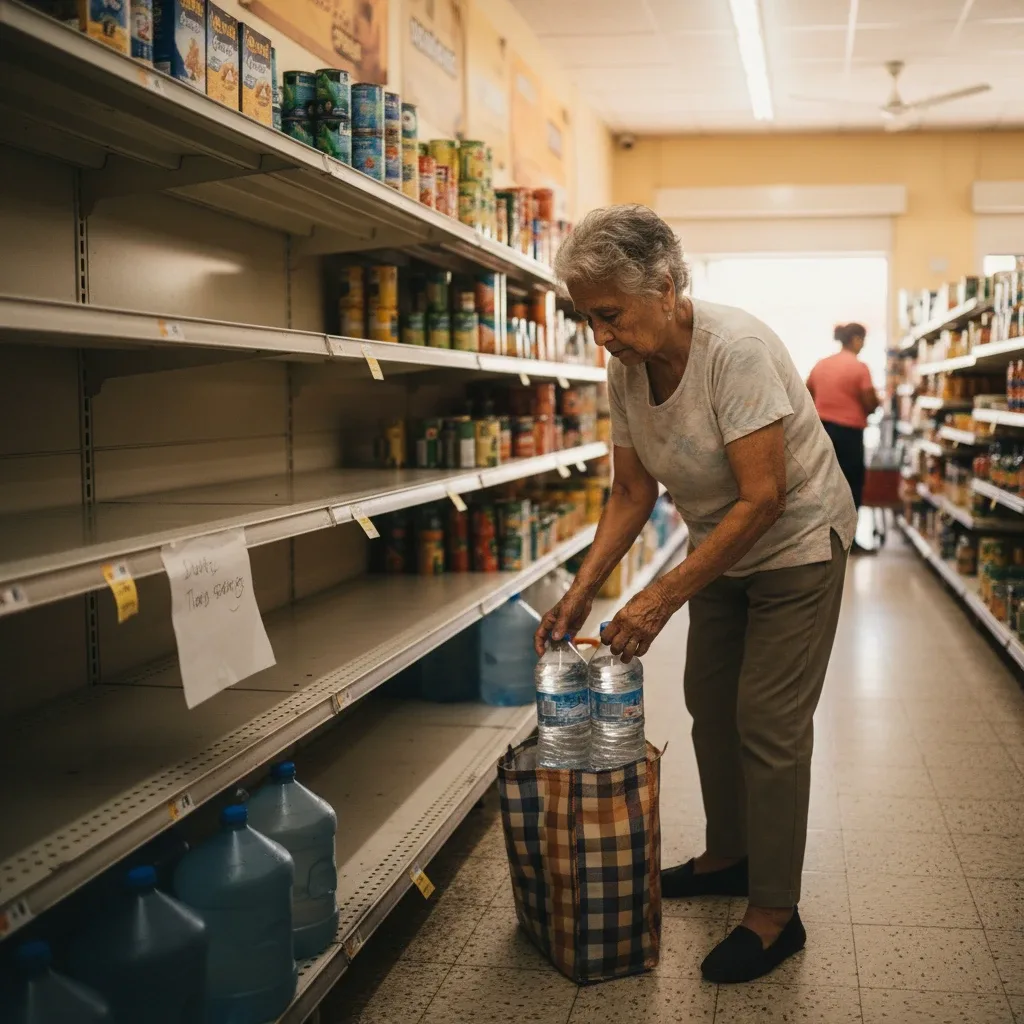
Residents can drop off non-perishable food items, bottled water, baby supplies, first-aid kits, and heavy-duty blankets at the Guánica Community Center daily from 8:00 a.m. to 6:00 p.m. All donated items should be unopened and have an expiration date of at least six months out. Financial donations are also being accepted through local church networks to purchase medical supplies in neighboring countries for faster delivery.
What steps is the municipal government taking to prepare southern Puerto Rico for future earthquakes?
The municipal government is conducting safety reviews of all designated emergency shelters and public school buildings to ensure they meet modern seismic standards. Emergency management teams are also updating community evacuation routes and running localized training drills in vulnerable neighborhoods. Additionally, officials are distributing emergency preparedness kits that contain basic survival supplies and instructional guides for families.
Written by
Newstrix AI
Encanto News