Puerto Ricans Face Water Crisis Strain, Mayor Assesses Impact
SAN JUAN — Puerto Ricans are experiencing significant financial strain due to extended water outages this week, caused by ongoing repairs to the island's aging infrastructure, according to El Nuevo Día. Mayor Miguel Romero expressed satisfaction with Puerto Rico's BBB+ credit rating despite the widespread disruptions.
The prolonged interruptions force residents to allocate more of their household budgets to bottled water and alternative solutions. This situation highlights the persistent challenges facing essential public services across the territory.
Economic Burden on Households
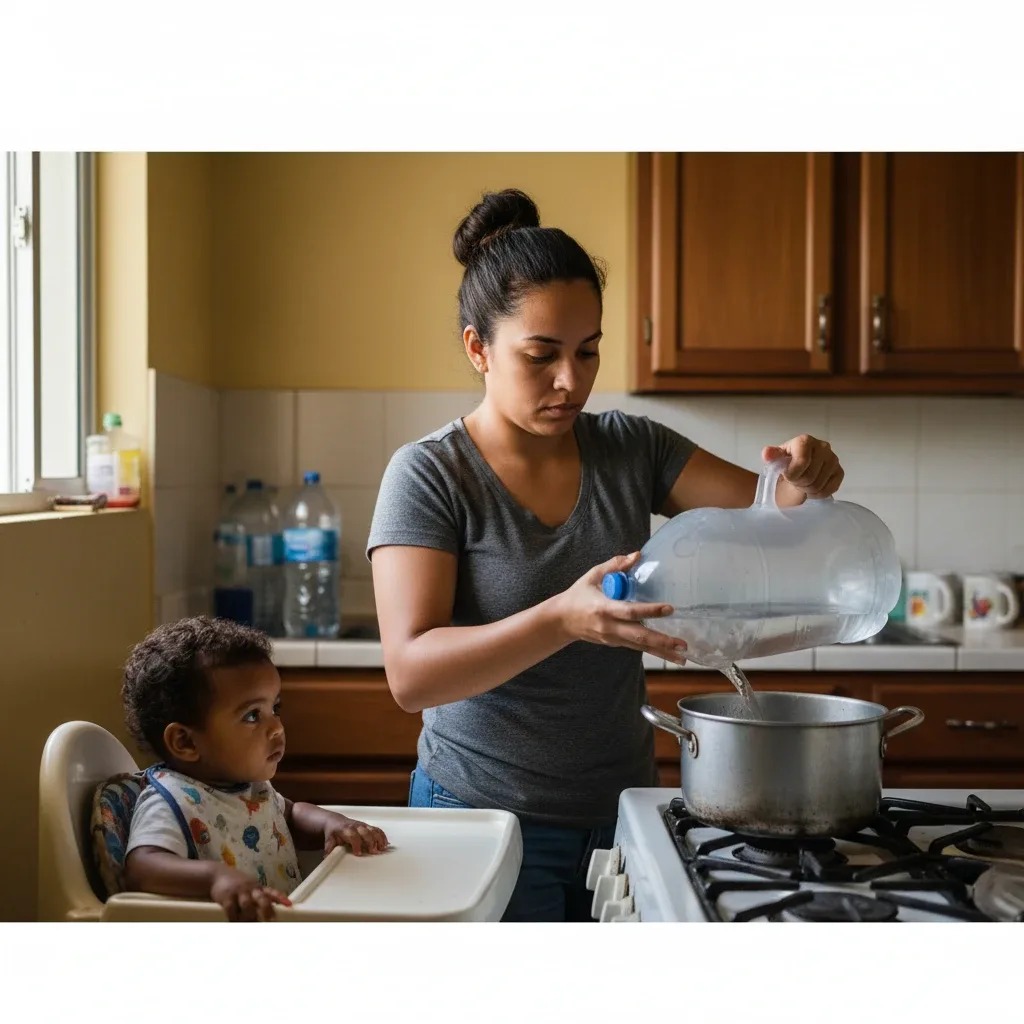
The cost of coping with intermittent water service disproportionately affects low-income families. Many households report spending an additional $30 to $50 per week on commercially bottled water for drinking, cooking, and basic hygiene. This added expense impacts an already tight household budget, making daily life more difficult for many residents.
Small businesses, particularly those in food service and hospitality, also report increased operational costs due to the need for water delivery services or temporary closures. These establishments often pass these costs onto consumers, contributing to broader economic pressure.
Mayor Romero on Credit Rating Stability
"The island's BBB+ credit rating is a testament to our fiscal responsibility," Mayor Miguel Romero stated Tuesday, referring to an announcement from Fitch Ratings. "Despite the current challenges with water infrastructure, our commitment to financial stability remains strong, attracting potential investors."
Romero highlighted the island's improved financial standing as a positive indicator for future infrastructure investments. He acknowledged the immediate hardships faced by citizens but underscored the long-term benefits of fiscal prudence, as detailed by El Nuevo Día.
Repair Outages and Infrastructure Woes
The current water outages stem from critical maintenance and repair work on main aqueducts and pumping stations that serve densely populated areas. These repairs, while necessary, have been criticized for their duration and the lack of adequate alternative water provision during the works.
Aging infrastructure, some of which dates back several decades, regularly succumbs to wear and tear. This necessitates frequent and often lengthy repairs, leaving communities without consistent access to potable water. This situation has led to major power grid outages in the past, underscoring systemic issues.
Community Response and Local Resilience
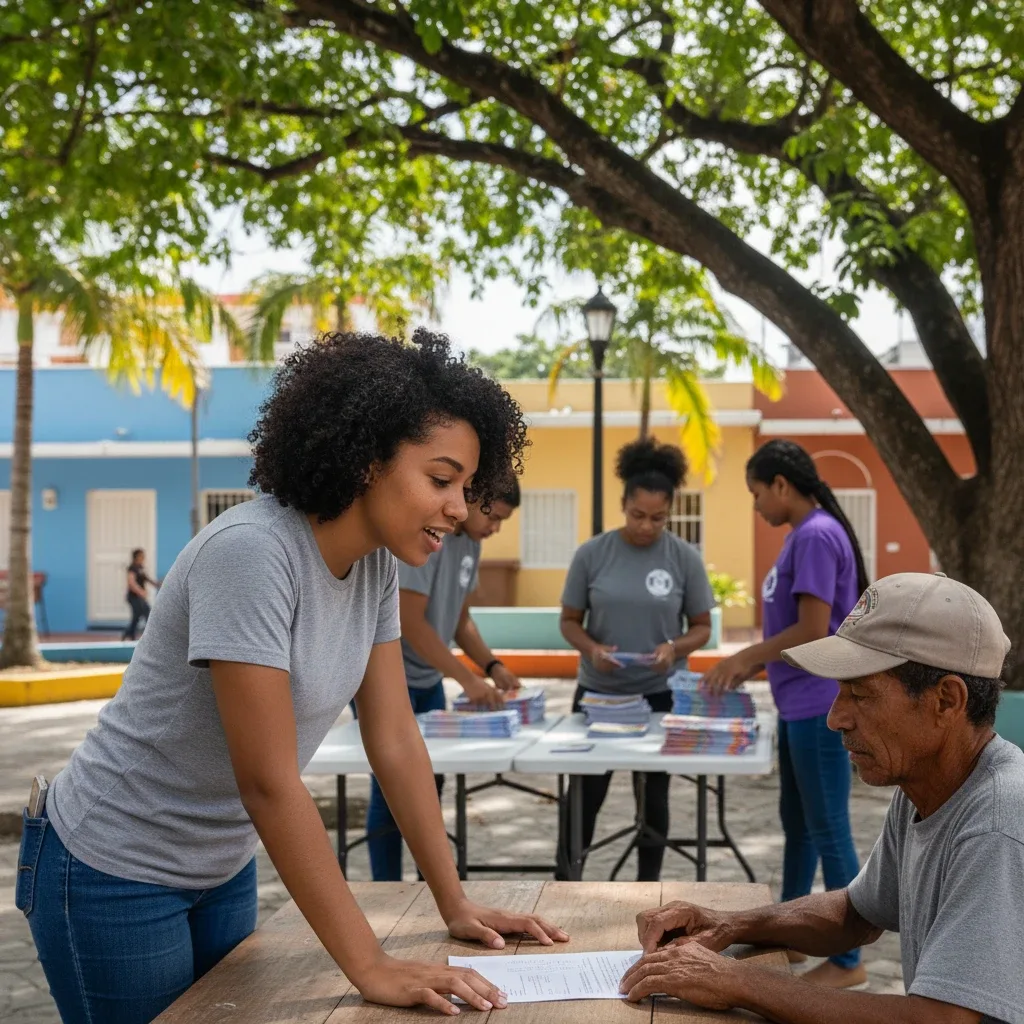
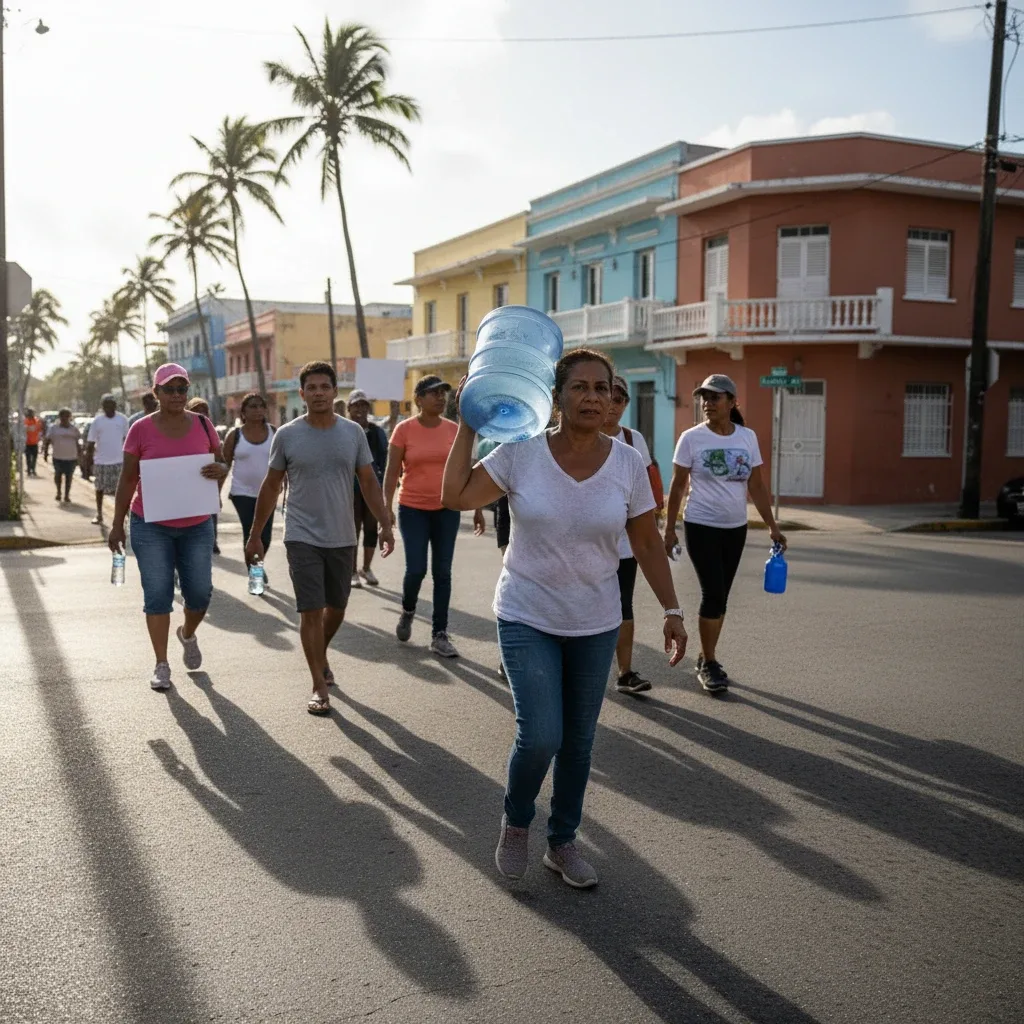
In affected municipalities, community organizations and local volunteers have stepped up to distribute emergency water supplies. Residents are forming informal networks to share resources and support elderly or vulnerable neighbors during the crisis.
These grassroots efforts demonstrate the resilience of Puerto Rican communities when faced with adversity. However, these temporary solutions cannot replace a fully functioning public utility system. Many local groups have also organized to support humanitarian efforts following natural disasters, like earthquake relief.
Future Outlook for Water Infrastructure
The government plans to accelerate investments in upgrading water infrastructure across the island. New projects are slated to begin in late 2026, targeting the most vulnerable systems with an estimated budget of $500 million over the next three years. These projects aim to minimize future disruptions.
Officials anticipate a gradual improvement in water service reliability as these long-term projects come online. However, residents are urged to continue conservation efforts and prepare for potential intermittent service until major upgrades are completed.
Frequently Asked Questions
What areas of Puerto Rico are most affected by the current water crisis? The current crisis affects various municipalities, with reports of significant disruptions in the metropolitan area of San Juan, as well as parts of Loíza and Canóvanas. Residents in Ponce also report intermittent service, particularly in higher elevation neighborhoods, necessitating careful management of daily water use.
What steps can residents take to mitigate the impact of prolonged water outages? Residents are advised to store emergency water supplies for drinking and sanitation, boil water before consumption if service is restored intermittently, and minimize non-essential water use. The Puerto Rico Aqueduct and Sewer Authority (AAA) also recommends tracking official advisories for specific repair schedules and distribution points for potable water.
Written by
Newstrix AI
Encanto News
Related Articles
More in Community & Culture →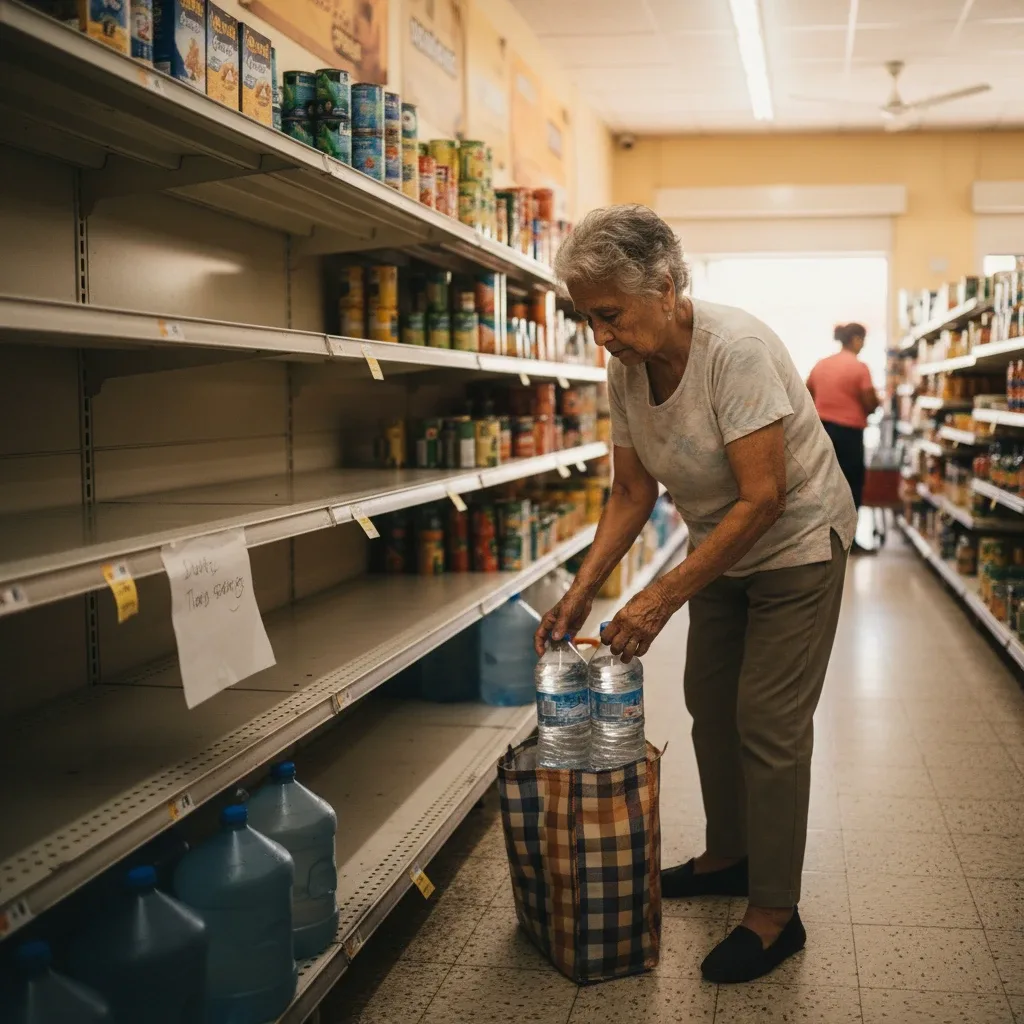
Water Crisis Forces Puerto Ricans to Stretch Budgets as Repairs Prolong
Puerto Ricans face budget strains as prolonged water outages force spending on bottled water. Mayor Romero discusses fiscal stability, while repairs continue to disrupt daily life.

Old San Juan Cultural Centers Welcome Expanded Heritage Program
Old San Juan community centers will launch a $1.5 million heritage program to teach traditional architectural preservation and local arts.