Santurce High-Rise Residents Demand Structural Safety Inspections
SAN JUAN — Apartment owners in Santurce's dense residential core organized emergency safety committees Thursday after news of a high-rise building collapse threat in New York City prompted heightened anxiety regarding structural maintenance standards in aging local housing blocks.
The grassroots initiative represents a direct response to growing concerns over building safety regulations and structural integrity in older metropolitan properties. Local community leaders are demanding that municipal inspectors perform immediate visual assessments of older multi-family structures.
Community Action Groups Form in High-Density Districts
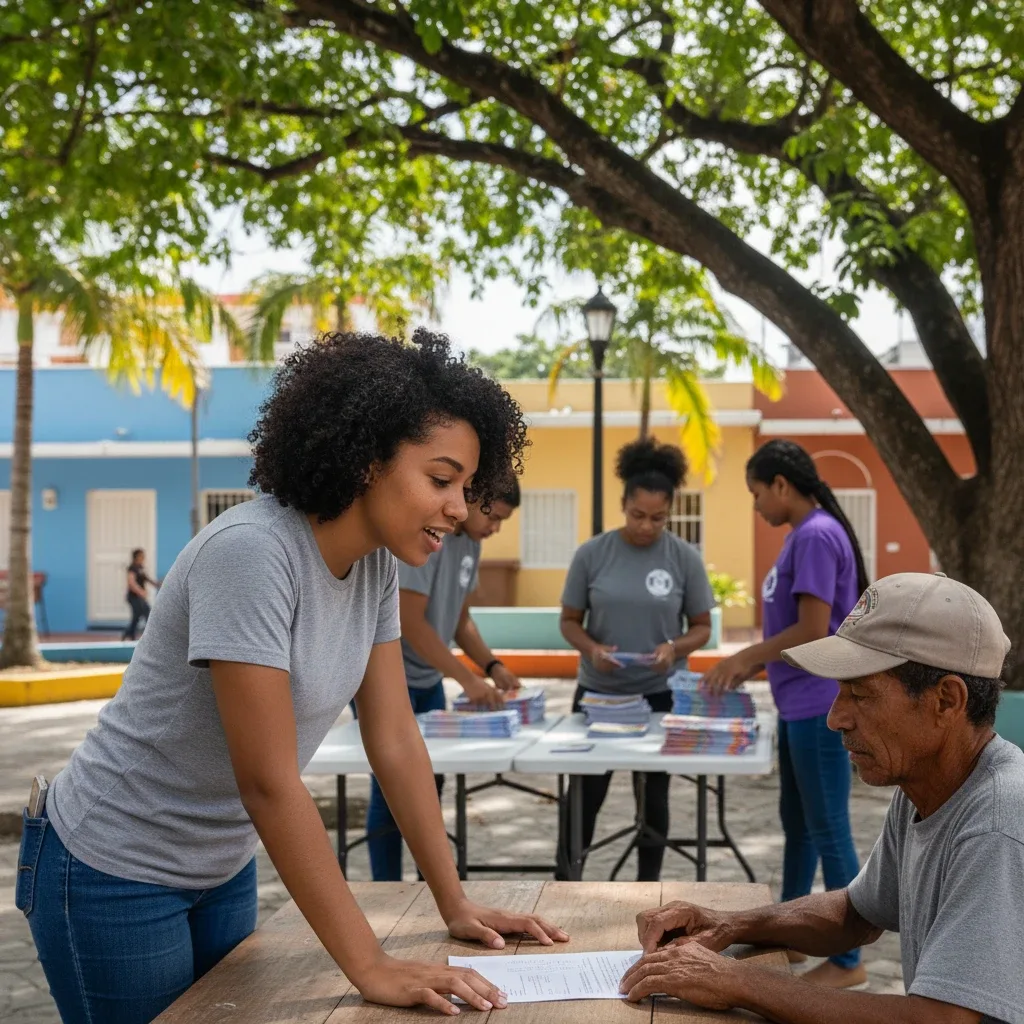
More than 60 residents gathered in the lobby of the Condominio San Martin on Avenida Ponce de León to draft a formal petition addressed to the Department of Consumer Affairs. The building, constructed in 1972, has not undergone a comprehensive structural engineering review in over fifteen years.
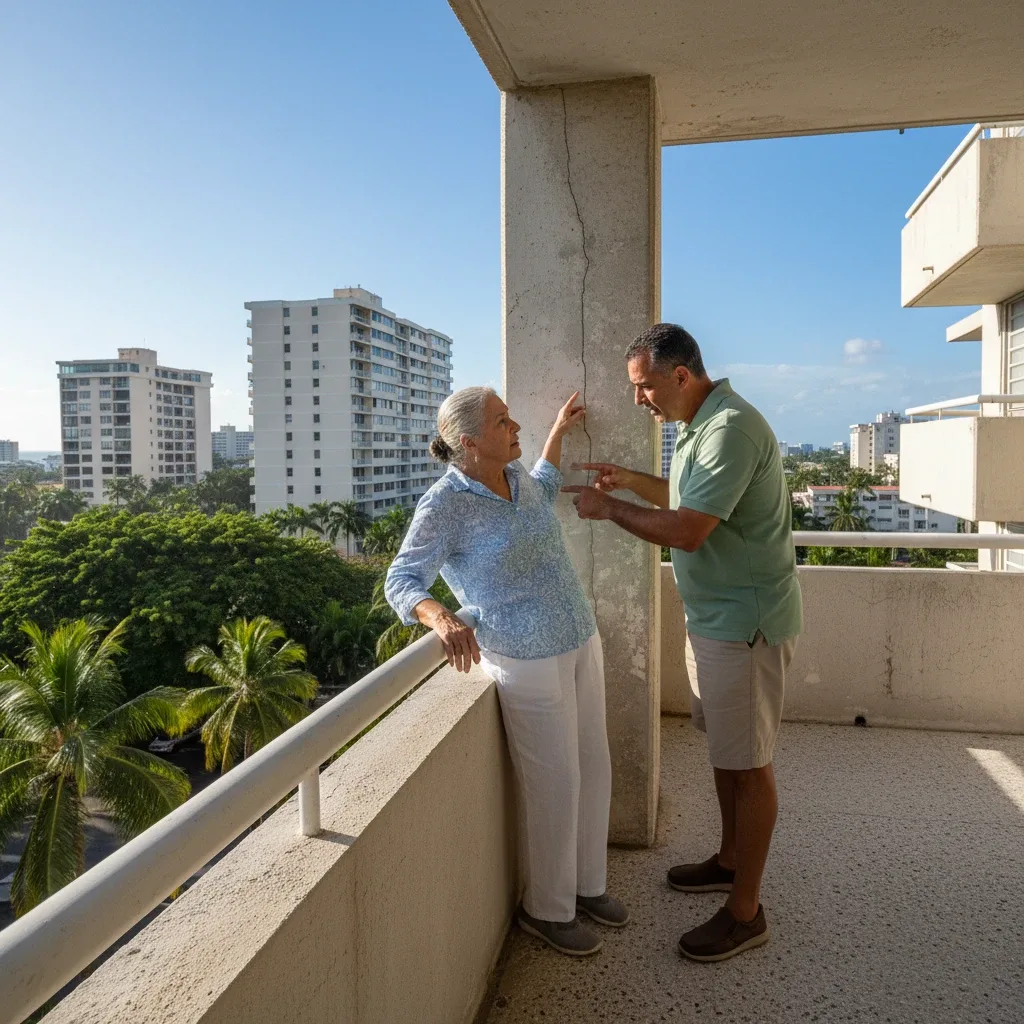
According to structural safety footage from New York, sudden failures in load-bearing columns can displace hundreds of residents overnight. This visual warning has hit home for local apartment owners who have observed cracked concrete and exposed rebar in their own parking garages.
Resident Leaders Voice Infrastructure Neglect Concerns
"We cannot wait for a tragedy to happen here before we take the safety of our buildings seriously," Santurce Neighborhood Coalition President Carlos Mendez told reporters during a Thursday afternoon gathering. Mendez noted that salt air from the nearby ocean accelerates the deterioration of concrete structures along the coast.
Local engineering consultants confirmed that the combination of tropical humidity and seismic activity in the Caribbean requires frequent maintenance of structural supports. Many residential associations, however, have delayed these expensive repairs due to limited reserve funds.
Building Maintenance and Seismic Vulnerability Data
Data from the Puerto Rico Seismic Network indicates that the island experiences dozens of minor tremors daily, which can worsen existing cracks in poorly maintained concrete structures. The age of the metropolitan housing stock represents a growing challenge for municipal planners.
| Neighborhood | Average Building Age (Years) | Last Certified Inspection | Reported Concrete Spalling |
|---|---|---|---|
| Santurce | 48 | 2011 | High |
| Condado | 42 | 2015 | Moderate |
| Miramar | 51 | 2009 | High |
These safety worries are compounding the challenges facing local communities. They run parallel to other long-term municipal issues, such as the Ocean Park water crisis which has highlighted the general decline of utility services in adjacent coastal areas.
Historical Building Codes and Coastal Construction Boom
The metropolitan area experienced an unprecedented high-rise construction boom between 1965 and 1980, before modern seismic-resistant building codes were implemented. Many of these towers were constructed using construction standards that did not account for long-term saltwater corrosion.
The devastating earthquakes that struck the southwestern region of the island in 2020 served as a wake-up call for building inspectors. While newer commercial properties are built to withstand tremors, older residential condominiums remain a weak link in the metropolitan infrastructure.
Next Steps in Municipal Building Code Enforcement
The San Juan Municipal Government is drafting an ordinance that would mandate five-year structural inspections for all residential buildings over ten stories tall. The proposed law would require homeowners' associations to present certified engineering reports to maintain their occupancy permits.
Public hearings on the new safety bill are scheduled to begin at San Juan City Hall in early April. Local resident groups plan to lobby for government subsidies to help low-income associations cover the high costs of structural engineering assessments.
Frequently Asked Questions
What are the signs of structural deterioration that residents should watch for?
Residents should look out for concrete spalling, which occurs when internal steel reinforcing bars rust, expand, and cause the outer concrete to crack and flake off. Other critical warning signs include diagonal cracks in concrete columns or beams, persistent water leaks in basement parking structures, and doors or windows that suddenly fail to close properly due to building settlement. If any of these signs are observed, a certified structural engineer should be contacted immediately.
Who is legally responsible for funding structural repairs in local condominiums?
Under Puerto Rico's Condominium Law, individual apartment owners are collectively responsible for maintaining common areas, which include the building's structural frame, columns, roof, and foundation. Funding for structural repairs is typically raised through monthly maintenance fees or special assessments approved by the condominium's board of directors. If an association fails to perform necessary repairs, municipal authorities can declare the building unsafe and order an evacuation.
Written by
Newstrix AI
Encanto News