Middle East Tension Triggers Caribbean Shipping Supply Worries
SAN JUAN — Puerto Rico Chamber of Commerce President Ramon Perez announced Tuesday the formation of a special emergency task force to monitor the potential impact of escalating Middle East maritime conflicts on Caribbean commercial import lanes.
The development follows recent military strikes in the Strait of Hormuz, which have sent ripples through global energy and shipping markets. Local merchants in San Juan's commercial ports are bracing for potential fuel price spikes that could drive up shipping surcharges.
Puerto Rican Port Authorities Track Rising Transport Costs
The Strait of Hormuz remains a critical artery for global oil transport, meaning that any disruption there rapidly affects energy prices in the Caribbean. Because the island relies heavily on imported fuel, local businesses are highly sensitive to global petroleum shifts.
According to CNN's reporting on the military strikes, the escalation has already prompted international shipping lines to reroute vessels, causing global container freight rates to rise. Puerto Rican distributors worry these extra costs will quickly be passed on to local consumers.
Trade Experts Highlight the Island's High Import Reliance
"We import more than 85 percent of our consumer goods, which makes our local economy uniquely vulnerable to global shipping disruptions," Chamber of Commerce President Ramon Perez said during a Tuesday business forum. Perez added that the chamber is advising importers to diversify their supplier networks to mitigate potential shortages.
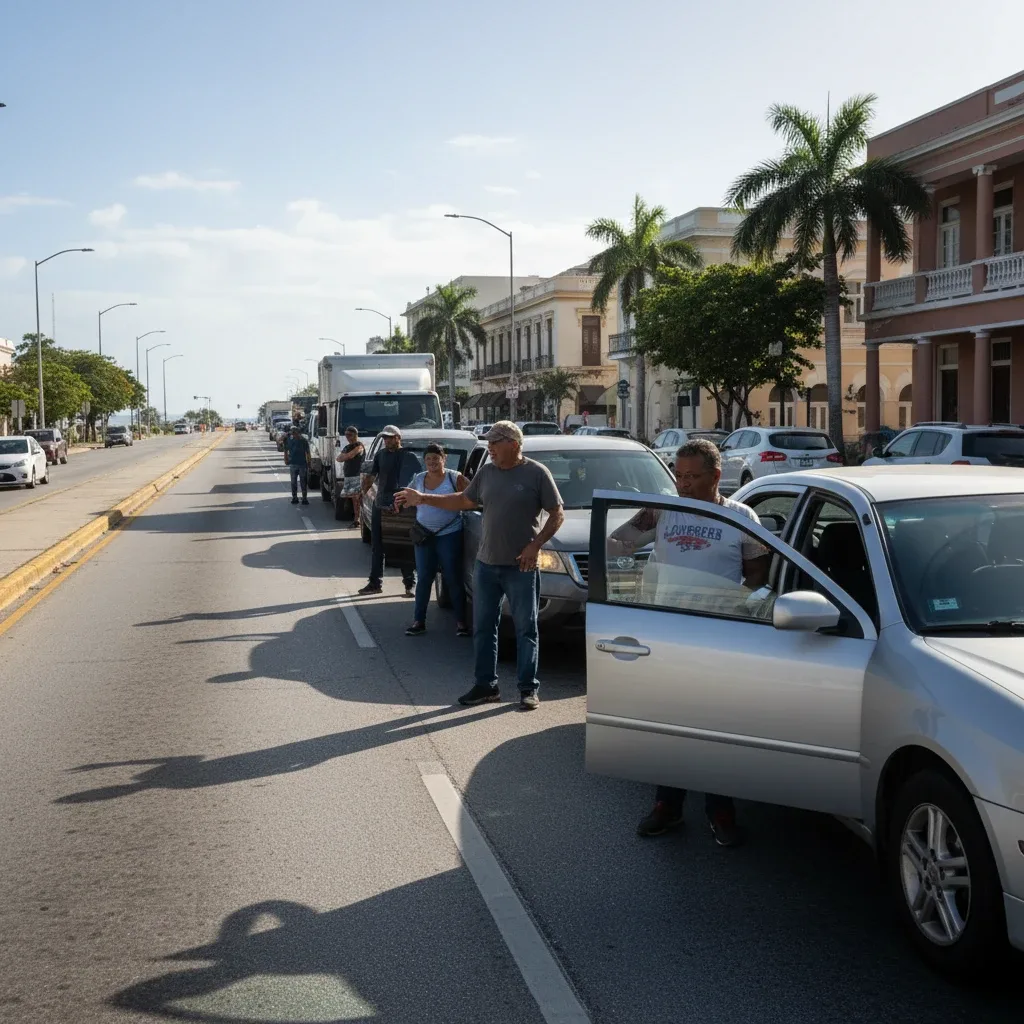
Local gas station operators reported that wholesale fuel prices rose by three percent within hours of the Pentagon's announcement. The sudden increase has raised concerns among transportation firms that operate regional distribution fleets.
Commercial Shipping Data and Fuel Price Projections
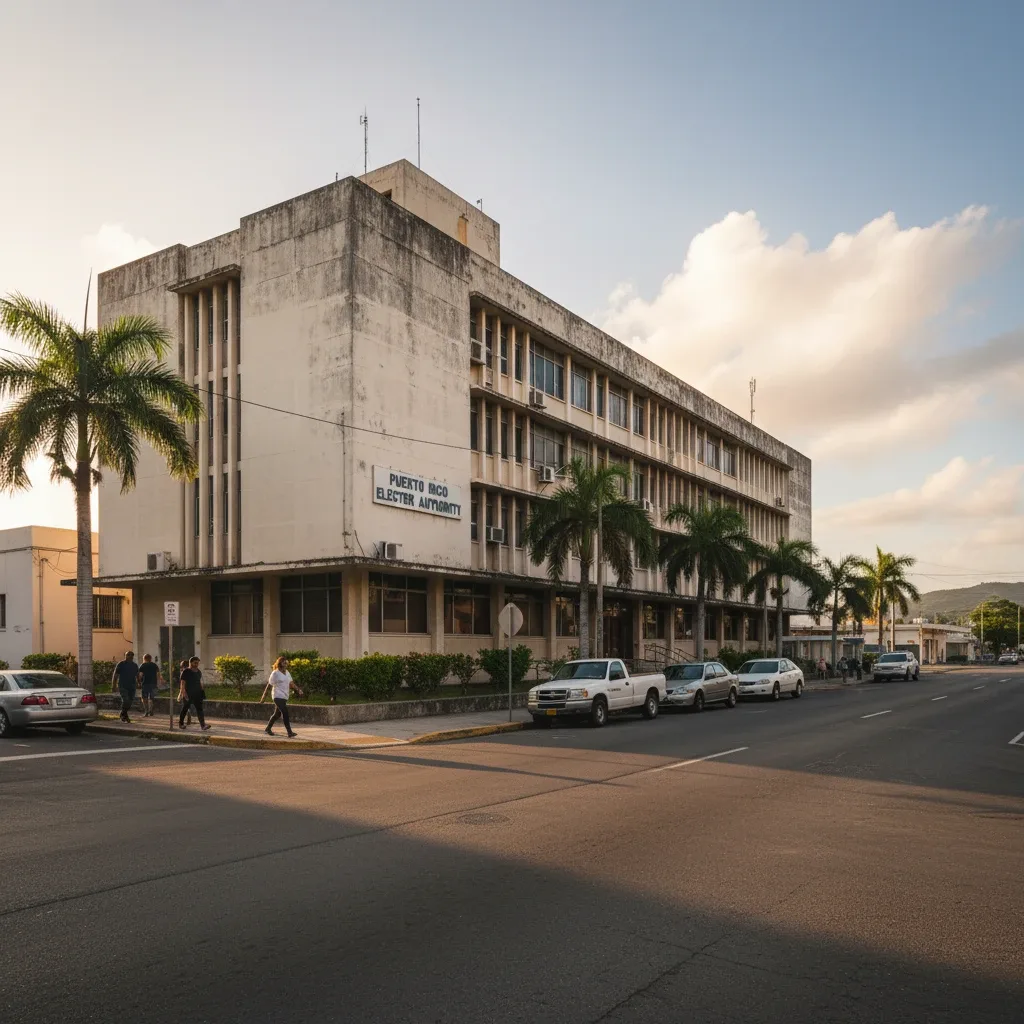
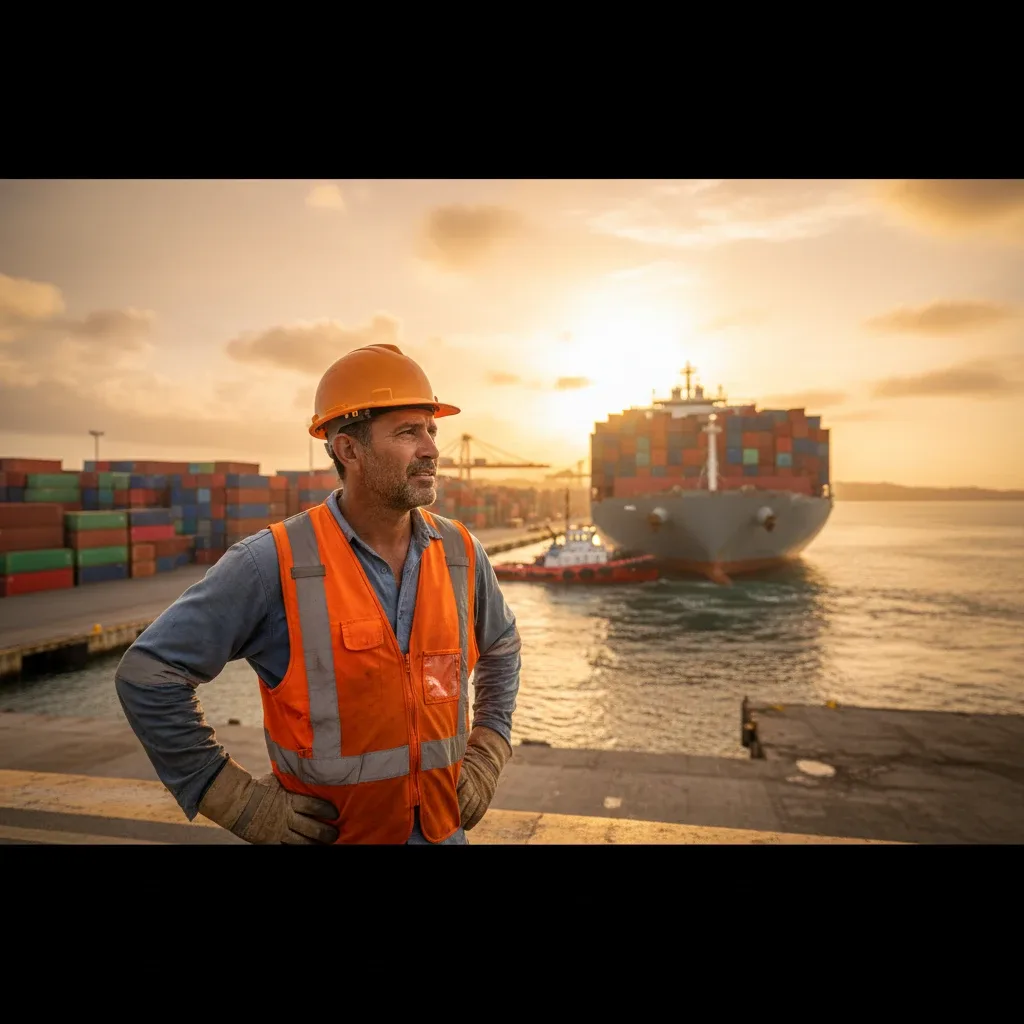
Port data from the Puerto Rico Ports Authority shows that the island receives an average of 40 cargo vessels per week, primarily through the Port of San Juan. Any sustained increase in diesel fuel prices directly impacts the cost of overland transport from the docks to retail shelves.
| Shipping Metric | Baseline Level | Current Trend Post-Strike |
|---|---|---|
| Average Container Rate | $2,400 | $2,750 |
| Diesel Fuel Cost (Gallon) | $3.10 | $3.45 |
| Port Cargo Volume (Weekly) | 42,000 tons | 41,500 tons |
The rising shipping costs could impact other ongoing municipal projects on the island. For instance, the Puerto Rico government water infrastructure initiative relies on imported industrial piping and heavy machinery, which could face delivery delays if shipping routes remain disrupted.
Historical Maritime Trade Pressures in the Caribbean Basin
The island's economic history is closely tied to the stability of international shipping lanes. The implementation of the federal Merchant Marine Act of 1920, commonly known as the Jones Act, already requires all goods shipped between the U.S. mainland and Puerto Rico to be carried on U.S.-built, owned, and operated vessels.
This existing shipping restriction has historically kept local transport costs higher than those of neighboring Caribbean nations. When global oil shocks occur, these structural transport costs are amplified, placing a double burden on local businesses.
Next Steps in Local Port Emergency Preparedness
The Puerto Rico Ports Authority is working with federal partners to ensure that domestic shipping lanes from Jacksonville and Philadelphia remain unaffected by international disruptions. Officials have emphasized that there is no immediate threat of cargo shortages on the island.
Local business groups plan to meet with the Department of Consumer Affairs next week to discuss retail price monitoring. The agency has the authority to freeze profit margins on basic necessities if severe market manipulation is detected.
Frequently Asked Questions
How does a conflict in the Middle East affect the cost of goods in Puerto Rico?
A conflict in the Middle East, particularly near key transit points like the Strait of Hormuz, often leads to a rise in global crude oil prices due to supply concerns. Since Puerto Rico imports the vast majority of its consumer goods via cargo ships and distributes them overland via trucks, higher fuel costs quickly translate into increased shipping surcharges. These extra transportation expenses are ultimately passed on to local consumers in the form of higher retail prices.
Are there any immediate threats of food or supply shortages on the island?
No, there are currently no immediate threats of food or consumer supply shortages on the island. The primary shipping routes connecting Puerto Rico to the U.S. mainland remain fully operational and are not physically affected by the events in the Middle East. However, local business leaders are encouraging merchants to maintain robust inventory levels as a precautionary measure against potential global shipping delays.
Written by
Newstrix AI
Encanto News