Federal Board Offers $3 Billion Settlement to Restructure PREPA Debt 2026
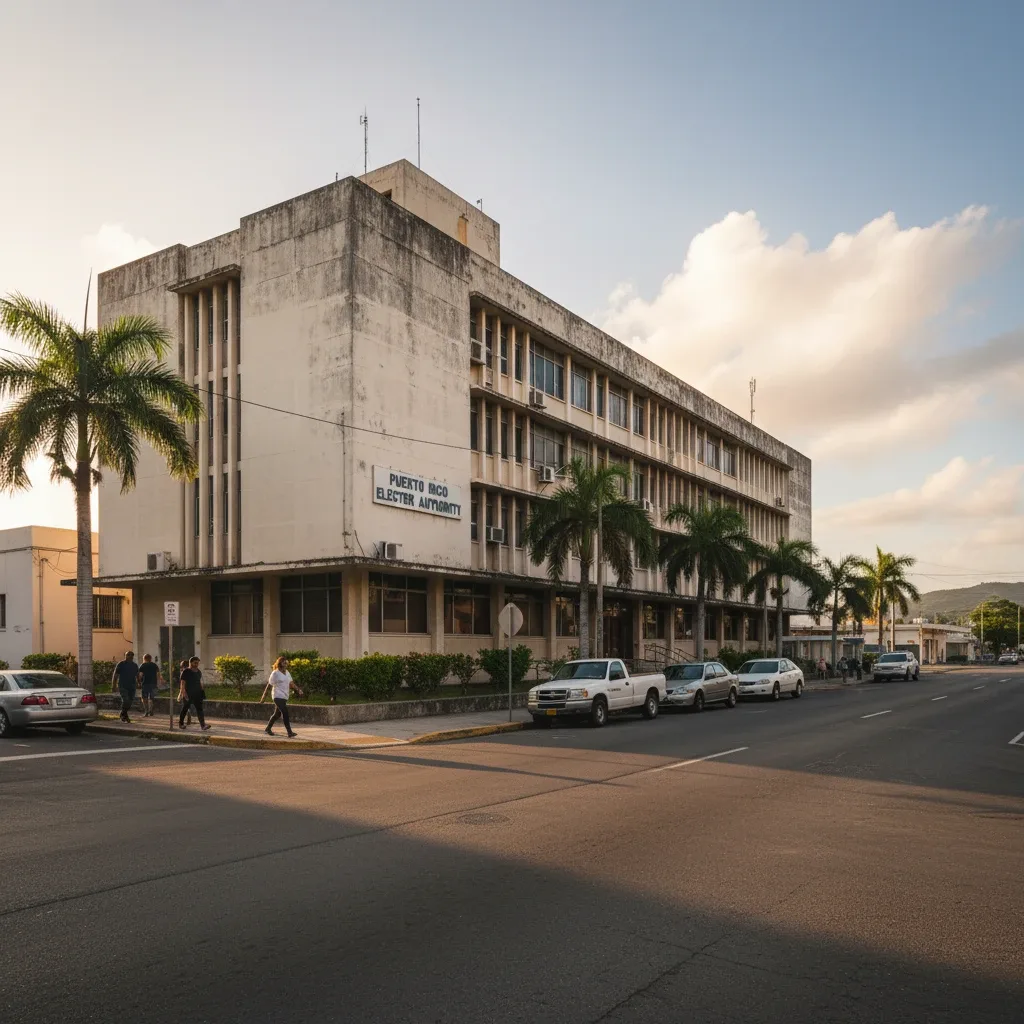
SAN JUAN — A federal board has offered a $3 billion settlement aimed at restructuring the massive debt of Puerto Rico's power company, PREPA, marking a critical step for the island's beleaguered energy infrastructure. The proposed agreement seeks to resolve a substantial portion of the utility's legacy debt, which has long been a barrier to modernization and financial stability. This move could significantly impact the future of electricity service for all residents and businesses across the island.
Debt Restructuring Plan for PREPA Under Federal Oversight
The Financial Oversight and Management Board for Puerto Rico (FOMB) formally presented the $3 billion settlement offer to creditors this week. The plan aims to reduce PREPA's staggering $9 billion debt, a figure that has crippled the utility for years. This latest proposal comes after years of contentious negotiations and multiple failed attempts to reach a consensus, as reported by the Associated Press.
Successful implementation of this settlement could unlock much-needed investment in PREPA's aging infrastructure, which has been plagued by frequent outages and inefficiencies. The FOMB's proposal includes provisions for new bonds and other financial instruments to settle outstanding claims. This restructuring is considered essential for moving Puerto Rico towards a more reliable and resilient energy future.
Impact of PREPA Debt on Puerto Rico's Energy Future
PREPA's unresolved debt has been a major impediment to stabilizing Puerto Rico's electrical grid and transitioning to renewable energy sources. The financial uncertainty has deterred private investment and limited the utility's ability to undertake necessary repairs and upgrades. A successful restructuring of Puerto Rico power company debt is expected to pave the way for a more consistent and affordable power supply for all consumers.
"This settlement is a crucial pivot point for Puerto Rico's energy security," said Dr. Ana Cortez, an energy economist at the University of Puerto Rico. Cortez emphasized that reducing PREPA's debt burden can free up resources for grid modernization and renewable energy projects, reducing reliance on fossil fuels. The current state of the grid has been a constant source of frustration for residents, who endure frequent blackouts.
Terms of the Proposed $3 Billion PREPA Settlement
Details of the proposed $3 billion settlement involve a combination of cash payments, new bonds, and other financial instruments designed to satisfy various classes of creditors. The FOMB has structured the offer to balance the interests of bondholders with the critical need for affordable electricity rates for Puerto Rico's population. Negotiations with various creditor groups are expected to be complex but are proceeding under a sense of urgency.
The settlement also includes mechanisms to ensure future financial discipline within PREPA, aiming to prevent a recurrence of the accumulation of unsustainable debt. Transparency and accountability measures will be integral to the implementation of the agreement, according to sources familiar with the negotiations. The Associated Press noted that any final agreement would likely require approval from a federal bankruptcy court.
Historical Context of PREPA's Financial Challenges
PREPA's financial woes date back decades, exacerbated by political interference, mismanagement, and an inability to adapt to changing energy demands. The utility's debt escalated dramatically through bond issues to finance outdated fossil fuel plants and an unsustainable operational model. This chronic instability was severely exposed during Hurricane Maria, which completely devastated the island's power grid in 2017.
Previous attempts to resolve PREPA's debt have been met with resistance from creditors or lacked sufficient political will. The current push for a $3 billion settlement to restructure PREPA debt 2026 reflects a renewed effort under federal oversight to achieve a lasting solution. The ongoing challenges with Puerto Rico hurricane recovery funds 2026 also underscore the need for financial stability in key public corporations.
Path Forward for Puerto Rico's Energy System
Should the settlement be approved, it would mark a significant milestone towards rebuilding and modernizing Puerto Rico's energy system. The focus would then shift towards implementing comprehensive grid improvements, including microgrids and increased solar and wind power generation. This transformation is vital for both economic development and quality of life on the island.
Federal agencies and local government will need to collaborate closely to ensure that the financial relief translates into tangible improvements for consumers. The ultimate goal is to create a resilient, affordable, and sustainable power system that can withstand future challenges and support Puerto Rico's long-term growth. The FOMB aims to finalize negotiations and secure court approval for the settlement within the next year, ensuring the $3 billion settlement to restructure PREPA debt 2026 becomes a reality.
Frequently Asked Questions
What is the primary goal of the $3 billion settlement for PREPA's debt? The primary goal of the $3 billion settlement is to significantly reduce the Puerto Rico Electric Power Authority's (PREPA) substantial legacy debt, which currently stands at approximately $9 billion. By restructuring this debt, the Financial Oversight and Management Board (FOMB) aims to stabilize PREPA's finances, making it possible to invest in necessary infrastructure upgrades and transition to a more reliable and sustainable energy system for the island.
How will this debt restructuring affect electricity rates for consumers in Puerto Rico? While a direct impact on rates will depend on the final terms approved and future operational efficiencies, the FOMB's stated intention is to balance creditor interests with the need for affordable electricity. Reducing the debt burden should, in theory, alleviate some pressure on rates, preventing future increases solely due to legacy financial obligations. However, new investments in infrastructure and renewable energy may still influence future pricing structures, but with a more stable foundation.
Written by
Newstrix AI
Encanto News