U.S. Coast Guard Reconstructs Maritime Safety After Capsize Rescues
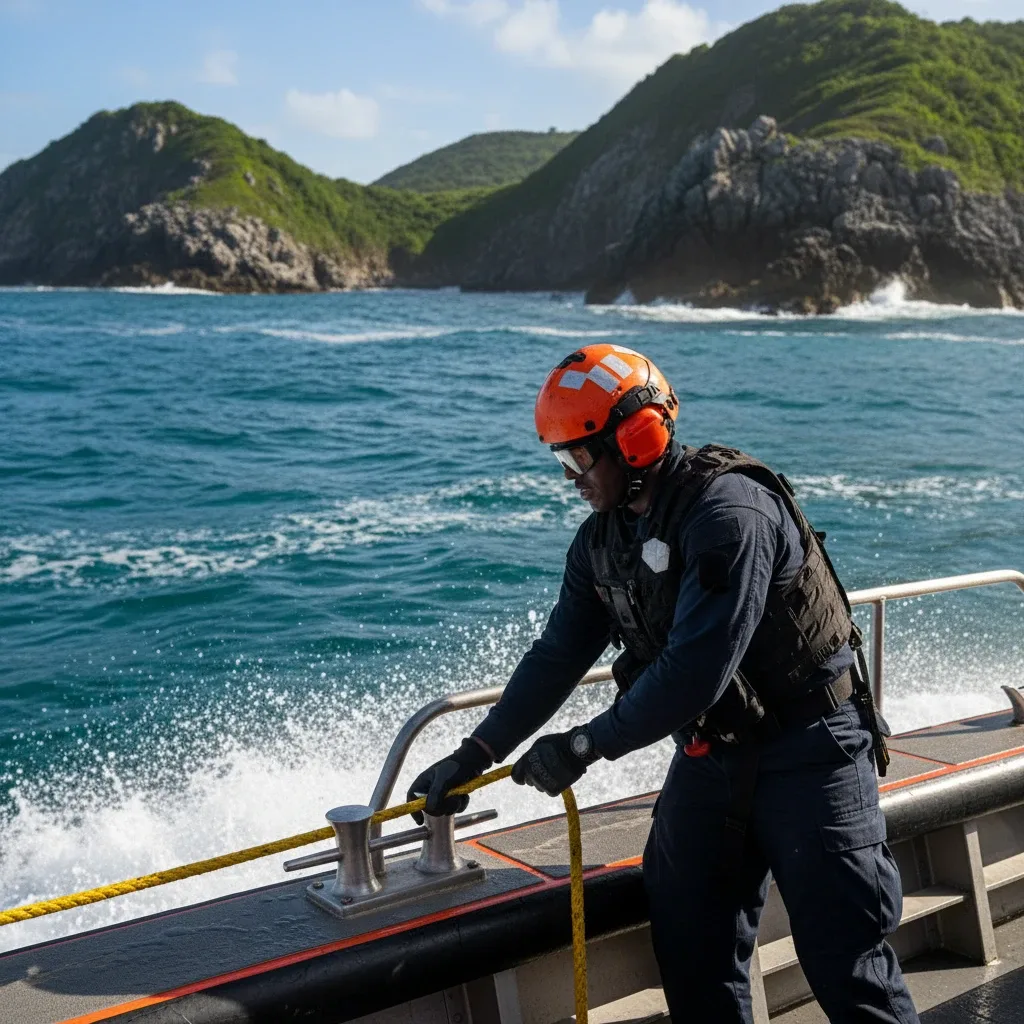
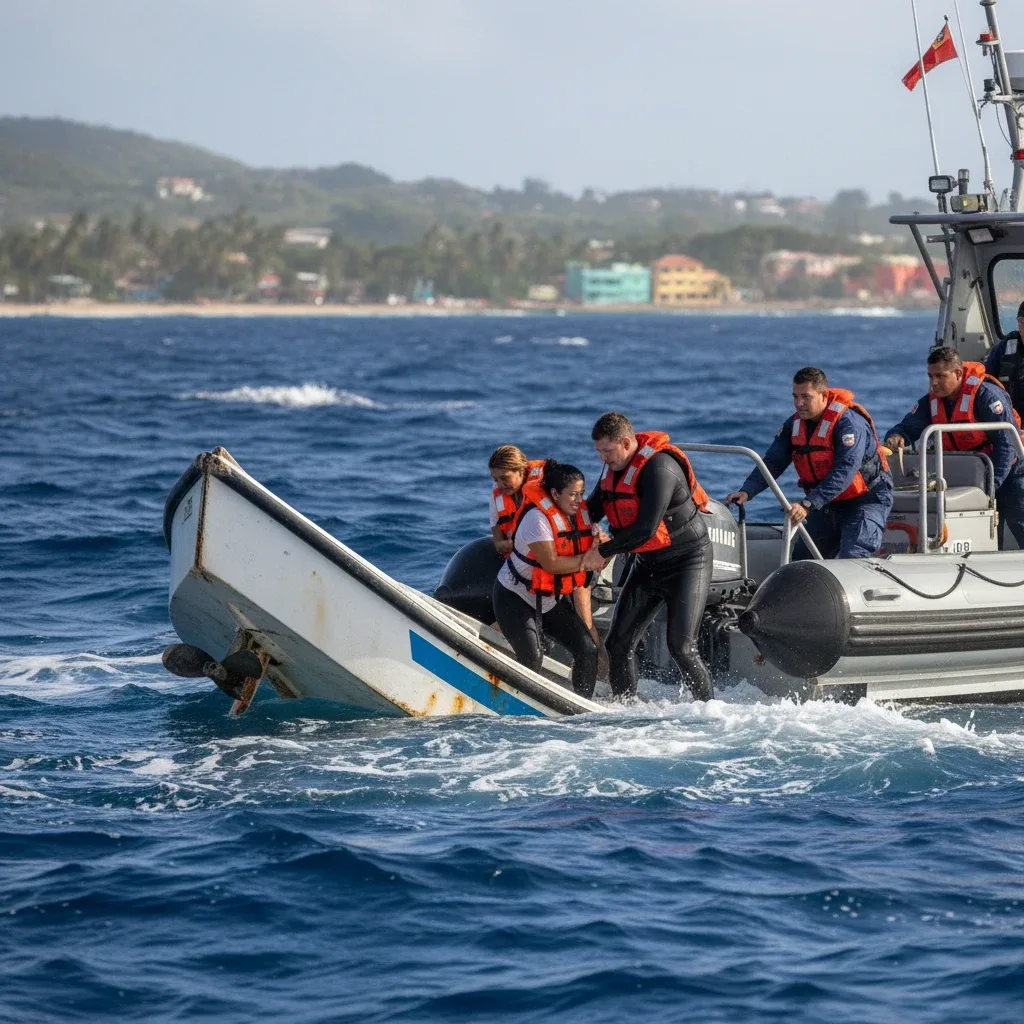
SAN JUAN — Coast Guard Sector San Juan Commander Jose Diaz announced a series of expanded coastal patrol operations Wednesday morning after tactical units executed a complex rescue of three federal agents and two boaters. The emergency operation unfolded off the northern coast near the Cabezas de San Juan reserve, prompting federal agencies to re-evaluate regional maritime safety protocols.
CBS News reported that multiple vessels capsized during a sudden squall in the Atlantic waters late Tuesday evening. High wind gusts and turbulent waves caught the crews off guard, triggering an immediate distress beacon that mobilized aerial and marine units.
Marine Safety Units Deploy Tactical Assets Near Fajardo Reefs
Coast Guard Sector San Juan dispatched two 29-foot Response Boat-Small crews and an MH-60T Jayhawk helicopter from Air Station Borinquen to locate the overturned vessels. Rescuers faced six-foot swells and limited visibility as they pulled the five individuals from the water near the outer reef lines.
Emergency medical technicians treated all five survivors for mild hypothermia at the San Juan bay docks, though no severe injuries were reported. This operation follows a series of regional challenges, including previous missions where the Coast Guard rescues five off Puerto Rico during similar high-seas incidents.
Commander Diaz Outlines New Interagency Response Directives
"The coordination between our tactical aircrews and regional marine units was key to preventing a tragedy in these rough northern waters," Commander Jose Diaz said Wednesday. "We are seeing an increase in volatile sea conditions along the trench, which demands immediate adjustments to our search and rescue posture."
Diaz added that the agency will establish secondary standby stations near Fajardo to decrease response times. Investigators are currently examining why the federal tactical craft and the private recreational vessel were operating in the high-risk zone during active small craft advisories.
Federal Maritime Data Reveals Rising Accident Rates
Coast Guard safety logs from the first quarter of 2026 indicate a 14 percent increase in recreational boating mishaps along the island's northern shelf compared to last year. Increased wind shear and unpredictable currents have made transit near San Juan and Luquillo increasingly hazardous for non-commercial captains.
Federal records show that salvage crews are still working to recover the hull of one of the capsized federal vessels. The operation is expected to cost approximately $85,000, with local environmental monitors tracking potential fuel leaks near the marine sanctuary.
Historical Maritime Hazards Along the Puerto Rico Trench
The northern coast of the island has long been recognized by local mariners as a treacherous stretch due to the immediate drop-off of the Puerto Rico Trench. Ocean depths plunge to over 28,000 feet just miles off the coastline, creating unique wave amplification patterns during winter weather systems.
Historically, this area has seen both high-volume commercial shipping and intense federal border security patrols. The overlap of recreational vessels, federal interdiction craft, and shifting bathymetry has historically resulted in high-concentration search zones for Sector San Juan.
Municipal Safety Teams Implement Shoreline Spotter Networks
Emergency management directors in Loíza and Carolina are now collaborating with federal partners to install public warning sirens at major boat launches. These systems will integrate with National Weather Service marine bands to warn boaters before they clear the harbor breakwaters.
But local fishermen warn that technological solutions cannot replace basic seamanship and respect for seasonal swells. The newly established Fajardo standby station is projected to be fully operational by May 2026, offering a permanent safety buffer for the eastern passage.
Frequently Asked Questions
What are the primary factors causing vessel capsizes off the northern coast of Puerto Rico?
Sudden wind shear and wave amplification near the edge of the Puerto Rico Trench are the primary physical causes of capsizing. Sector San Juan reports that rapid weather shifts can turn moderate three-foot swells into six-foot breaking waves within less than thirty minutes, easily overwhelming vessels under 30 feet.
Where can local recreational boaters obtain real-time safety and weather updates before departing?
Boaters should monitor VHF-FM Channel 16 and review the daily coastal waters forecasts issued by the National Weather Service in San Juan. Additionally, local safety guidelines and equipment checklists can be reviewed at municipal docks and Coast Guard Auxiliary stations in San Juan and Fajardo.
Written by
Newstrix AI
Encanto News