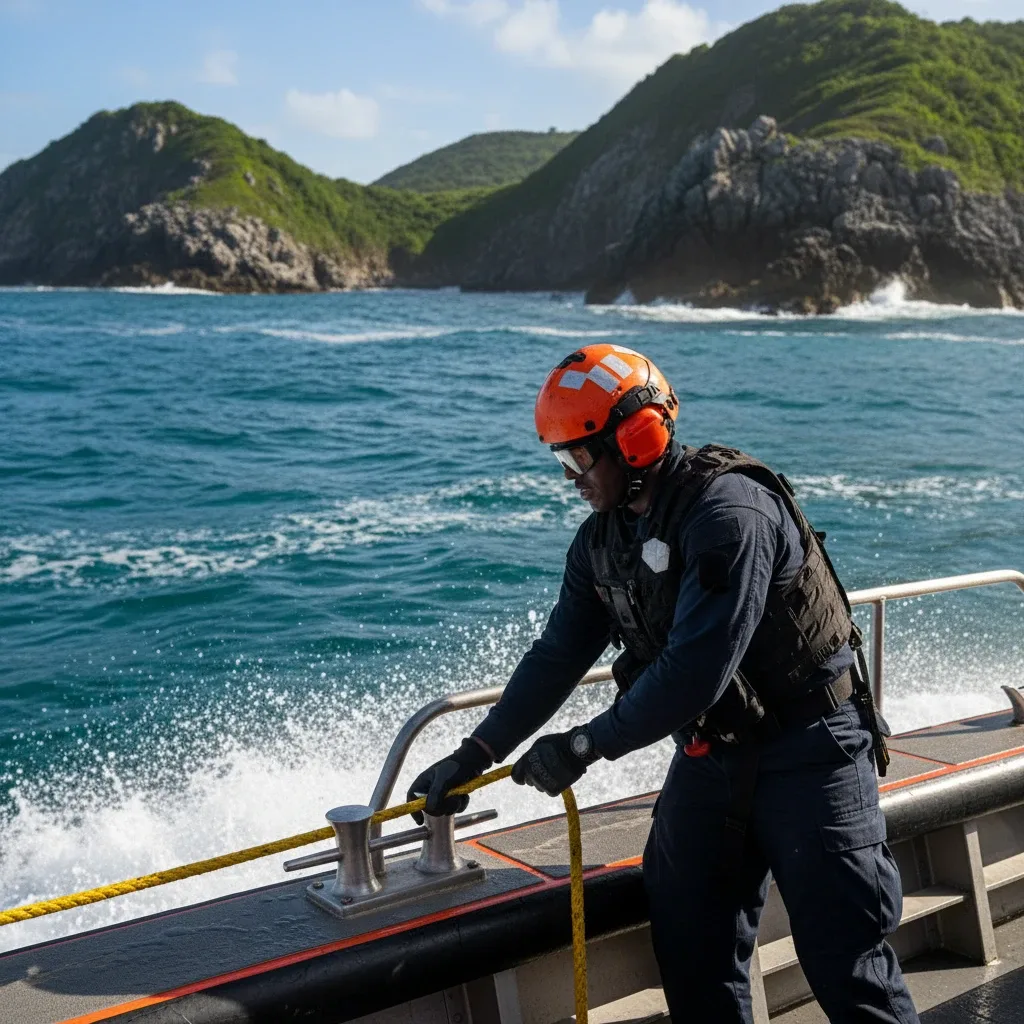
Three Federal Agents Rescued After Vessels Capsize Off Puerto Rico
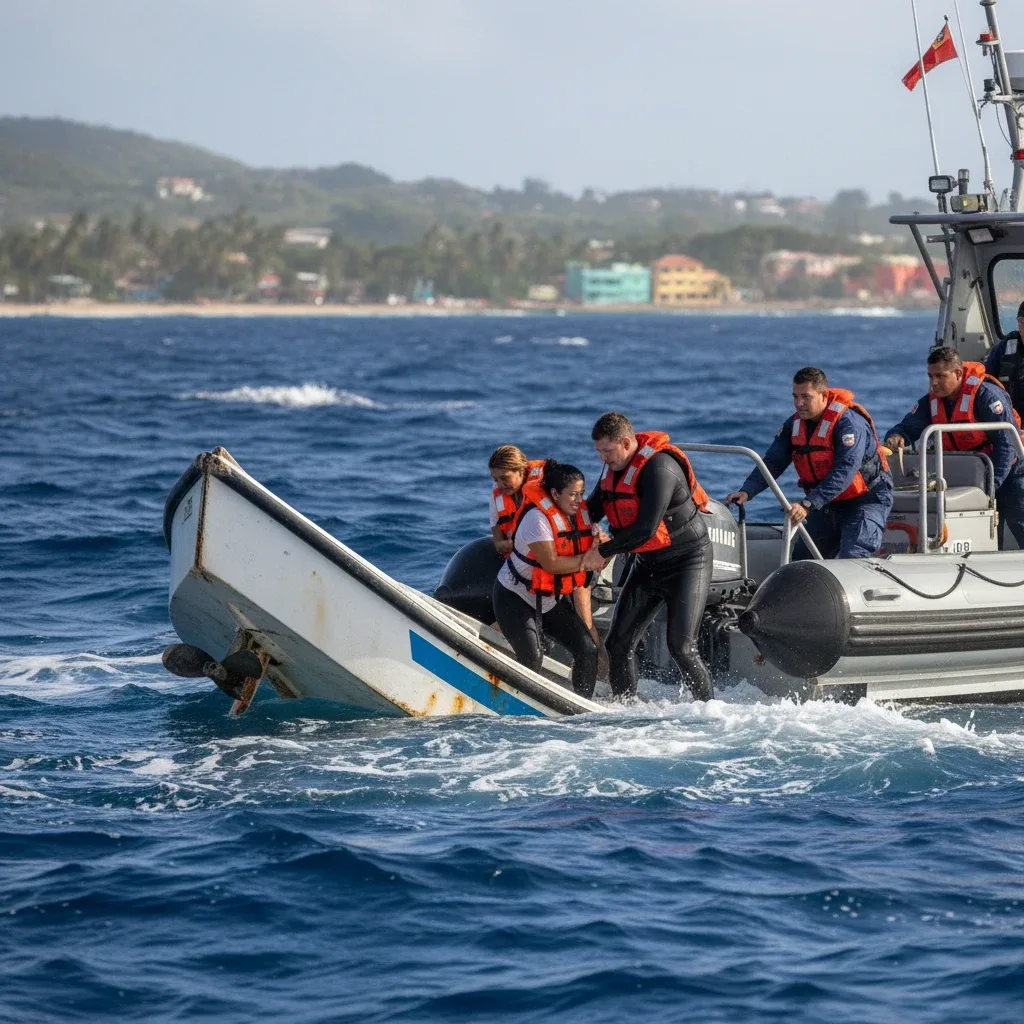
SAN JUAN — Three federal agents and two boaters were rescued on Tuesday after their vessels capsized off the coast of Puerto Rico. The dramatic maritime incident prompted a multi-agency response, ensuring the safety of all five individuals involved. The cause of the capsizing is currently under investigation by federal authorities.
Swift Response to Maritime Emergency Off Coast
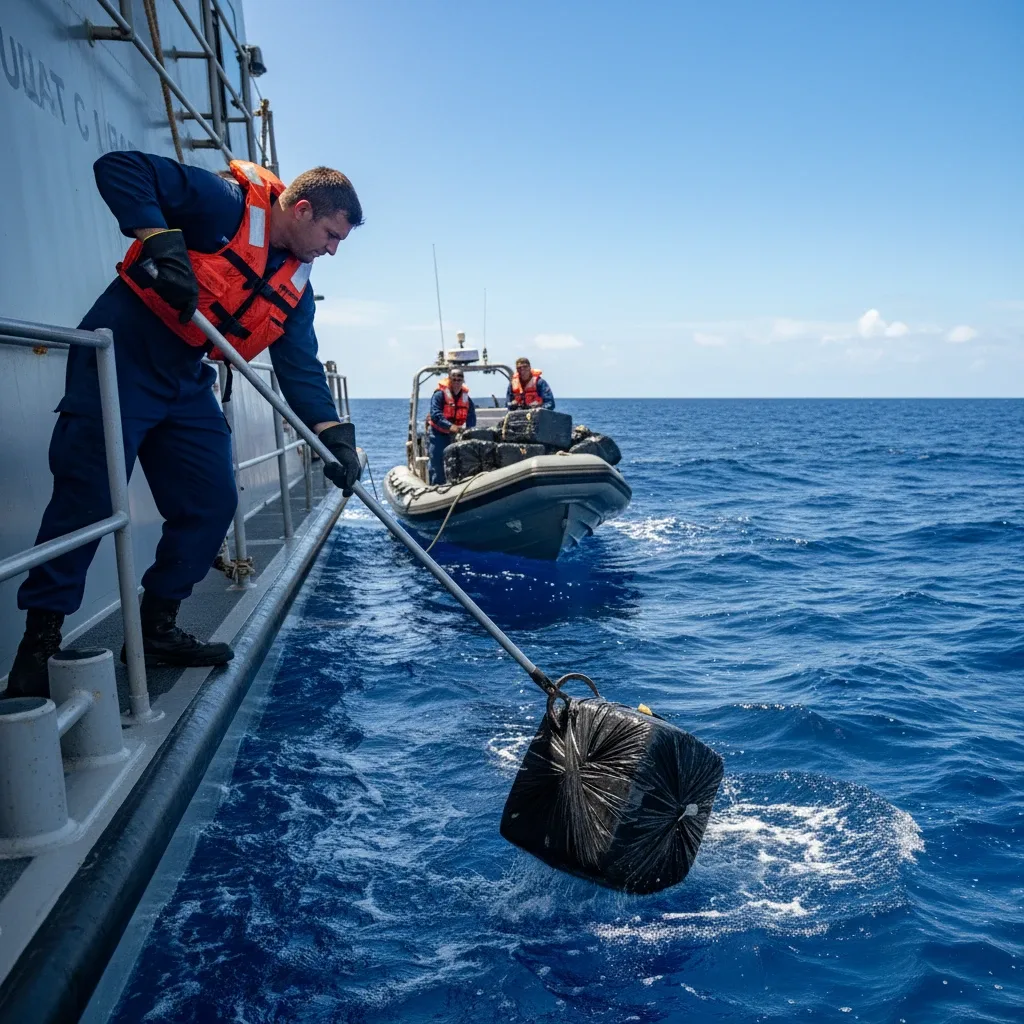
The incident occurred approximately 10 nautical miles north of San Juan during what was described as routine operations in challenging sea conditions. A distress call was broadcast shortly after 11:00 a.m., triggering an immediate search and rescue mission by the U.S. Coast Guard Sector San Juan. Air and marine assets were deployed to the area, located the capsized vessels, and successfully retrieved all five individuals from the water.
According to a spokesperson for the U.S. Coast Guard, all individuals were wearing life jackets, which played a crucial role in their survival during the ordeal. The rescue operation was completed within two hours of the initial distress signal, a testament to the rapid coordination between various federal entities. This type of incident underscores the inherent risks associated with maritime operations, even for experienced personnel. The U.S. Coast Guard Reconstructs Maritime Safety After Capsize Rescues following this event.
Federal Agents Treated for Minor Injuries
"We are immensely grateful for the rapid and professional response of our Coast Guard crews," said Captain John Smith, Commanding Officer of the federal agency involved, on Wednesday. He confirmed that the three federal agents were treated for minor injuries, including hypothermia and exhaustion, but were released from a local hospital later that day. The two civilian boaters also received medical attention and were reported to be in stable condition.
All rescued individuals underwent thorough medical evaluations to ensure no underlying health issues arose from the incident. The vessels involved, a small federal patrol craft and a recreational boat, partially sank after capsizing, posing navigational hazards to other marine traffic. Recovery efforts for the capsized boats are currently underway to mitigate any environmental impact or further safety concerns.
Investigation into Cause of Capsizing Underway
Federal maritime investigators have launched an inquiry to determine the exact cause of the vessels' capsizing. Preliminary reports suggest that strong currents combined with unexpected swells may have contributed to the incident. Investigators will examine weather conditions, vessel maintenance records, and operational procedures to ascertain all contributing factors. This is a critical step to prevent similar occurrences in the future.
The U.S. Coast Guard, along with the National Transportation Safety Board (NTSB), will lead the comprehensive investigation. Data from onboard equipment, eyewitness accounts, and expert analysis of the wreckage will be crucial in forming a complete picture of what transpired. The detailed findings are expected to inform future safety protocols for all maritime operations in the challenging waters surrounding Puerto Rico.
High-Risk Operations in Puerto Rico's Waters
The waters off Puerto Rico are known for their challenging conditions, frequently experiencing unpredictable currents, strong winds, and sudden changes in weather patterns. Federal agents routinely conduct high-risk operations in this environment, including drug interdiction, migrant interdiction, and search and rescue missions. These demanding conditions require specialized training and robust safety protocols.
This incident serves as a stark reminder of the inherent dangers faced by federal agents and civilians alike when navigating these unpredictable waters. The region is a major transit zone for illicit activities, making law enforcement presence essential, but also exposing personnel to significant risks. The need for constant vigilance and advanced safety equipment is paramount for all maritime activities in this area.
Safety Protocols and Future Preparedness
Following the capsizing, federal agencies are reviewing their maritime safety protocols and equipment to ensure optimal preparedness for future operations. This includes re-evaluating vessel capabilities in extreme conditions, refreshing crew training on emergency procedures, and assessing communication systems. The goal is to minimize risks while maintaining effective law enforcement and rescue capabilities in the region.
Officials emphasized the importance of public awareness regarding maritime safety, urging all boaters to check weather forecasts, ensure their vessels are properly equipped with safety gear, and always wear life jackets. The U.S. Coast Guard continues its public education campaigns to promote safe boating practices across Puerto Rico's coastal communities. The prompt response underscores the training for these types of incidents.
Frequently Asked Questions
What are the common causes of vessel capsizing in coastal waters? Common causes of vessel capsizing in coastal waters include sudden changes in weather conditions such as squalls or strong gusts of wind, large or unpredictable waves, overloading of the vessel with passengers or cargo, and mechanical failures. Operator error, such as improper maneuvering in rough seas, can also contribute significantly to capsizing incidents. Maintaining proper boat trim and stability is crucial.
What safety equipment is legally required for all vessels operating off Puerto Rico? All vessels operating off Puerto Rico are legally required to carry specific safety equipment, including a sufficient number of U.S. Coast Guard-approved life jackets for everyone on board, visual distress signals (flares), sound-producing devices (whistle or horn), and fire extinguishers. For night operation, proper navigation lights are mandatory. Additionally, having a marine radio and an emergency position indicating radio beacon (EPIRB) is highly recommended for offshore travel.
Written by
Newstrix AI
Encanto News