U.S. Coast Guard Rescues Five People Off Coast of Puerto Rico

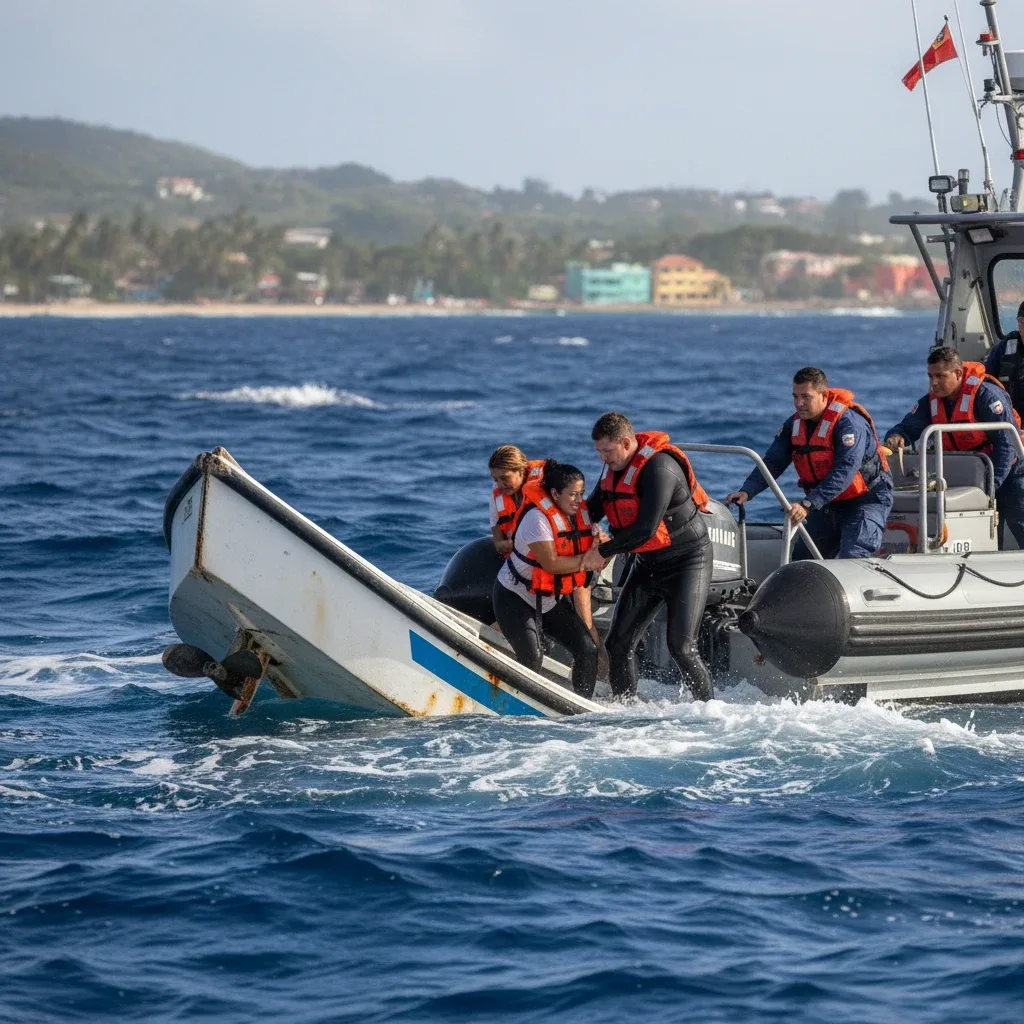
SAN JUAN — U.S. Coast Guard Sector San Juan Commander Jose Diaz announced Thursday that federal tactical units successfully rescued three federal agents and two civilian boaters after their vessels capsized in heavy swells off the northern coast near Cabo San Juan, according to CBS News. The maritime emergency occurred during a routine interdiction patrol, throwing all five occupants into the sea before rescue swimmers pulled them to safety.
High Swells Overturn Patrol Vessels Near Las Cabezas de San Juan
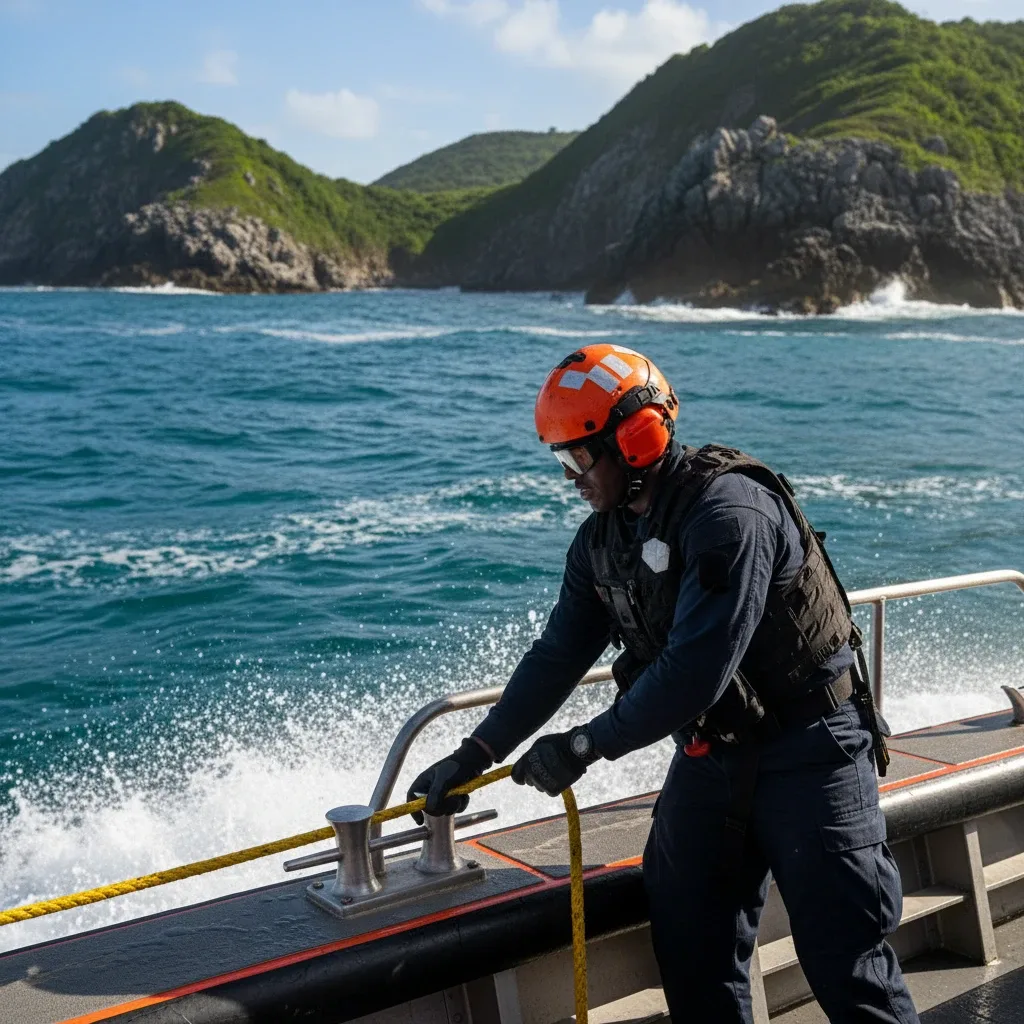
Command watchstanders at Sector San Juan received an emergency radio beacon transmission at 8:45 a.m. from a 33-foot Special Operations craft operating three miles north of the lighthouse at Las Cabezas de San Juan. Rough Atlantic waters measuring up to eight feet high repeatedly battered the vessel, causing immediate engine failure and subsequent capsizing.
A second civilian vessel attempting to assist the stranded crew also succumbed to the waves, overturning minutes later. Air Station Borinquen immediately dispatched an MH-60T Jayhawk helicopter to the scene while local rescue crews rushed to locate the survivors clinging to the hulls of the overturned crafts.
Coast Guard Command Confirms Successful Extraction of All Victims
"The swift coordination of our rescue swimmers and the rapid response from Air Station Borinquen prevented a major maritime tragedy today," Sector San Juan Commander Jose Diaz said Thursday. Diaz added that all five individuals were equipped with functional personal flotation devices, which played a decisive role in their survival.
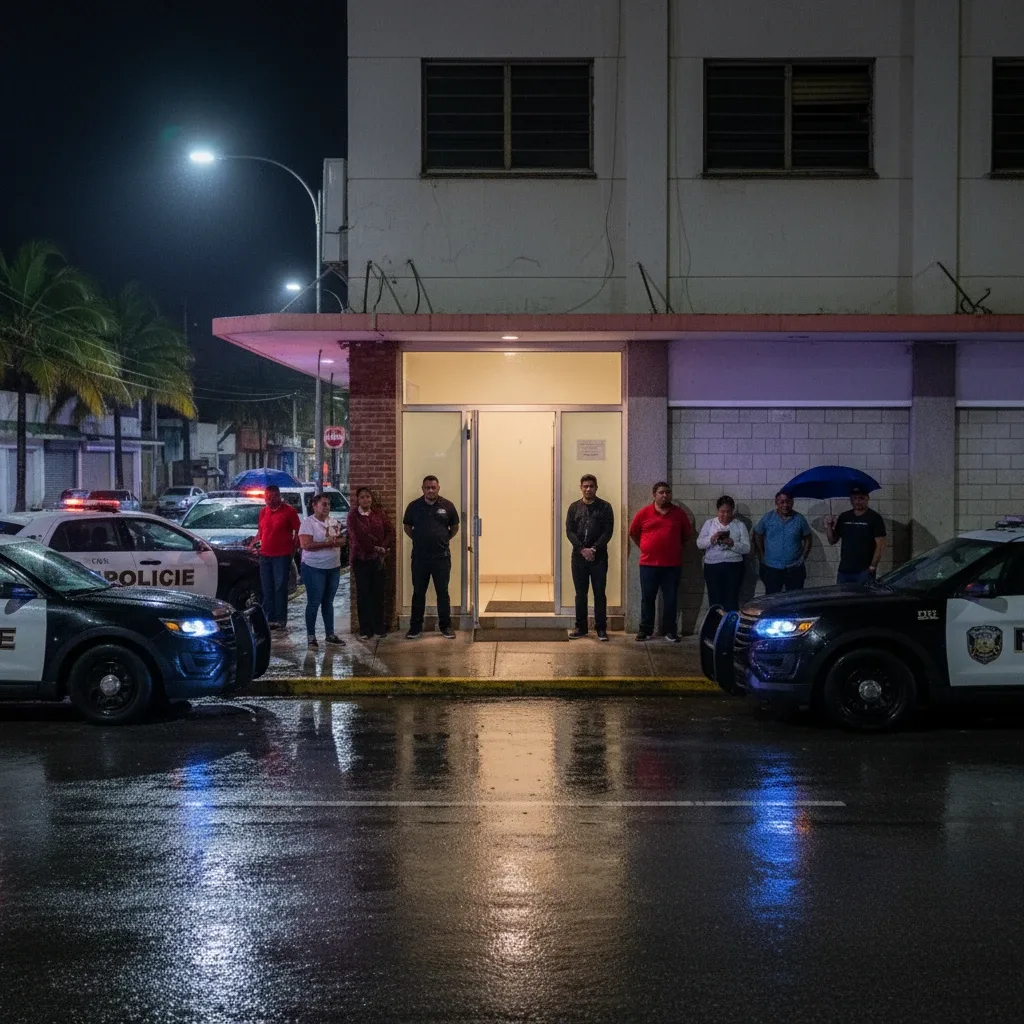
Emergency medical technicians evaluated the five rescued individuals at the Coast Guard pier in Old San Juan. Fortunately, none of the survivors required hospitalization, and they were released shortly after receiving treatment for mild hypothermia.
Maritime Security Interdiction Operations Intensify in Northern Passage
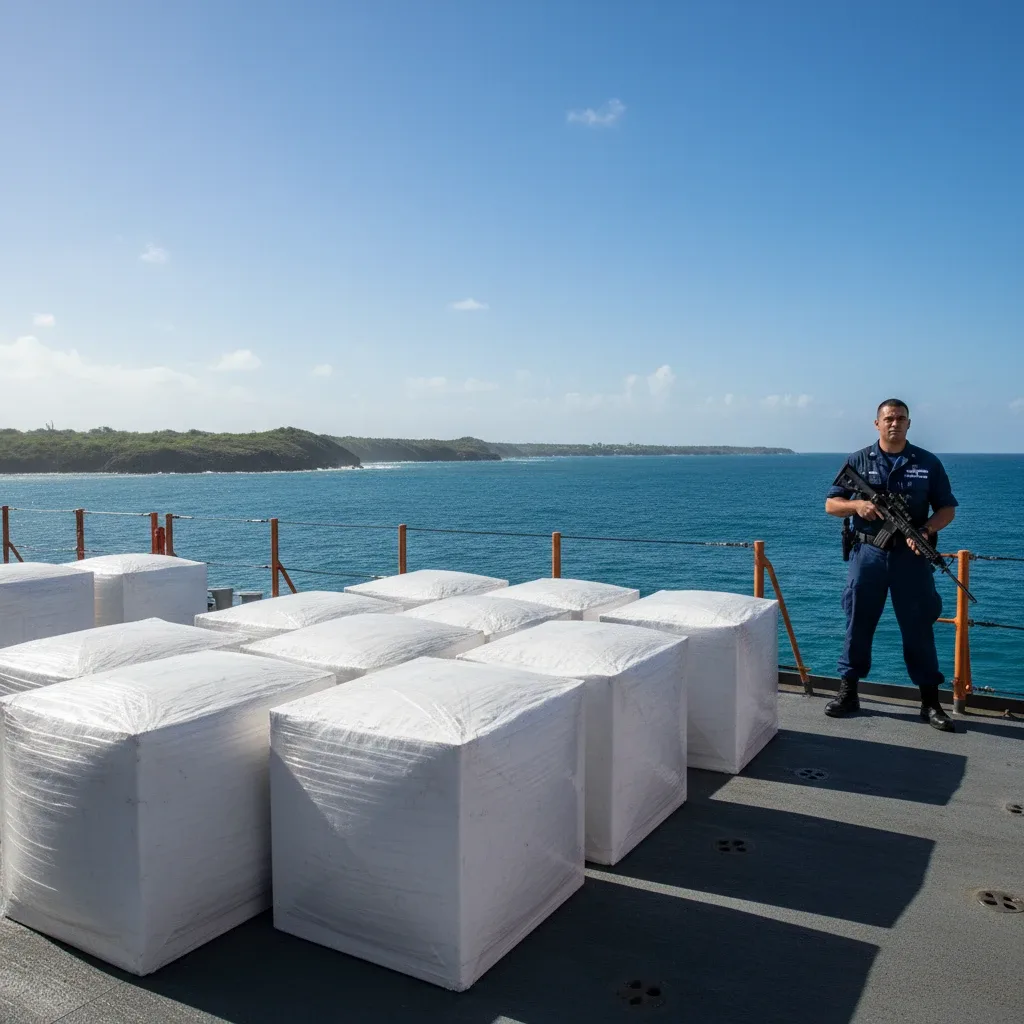
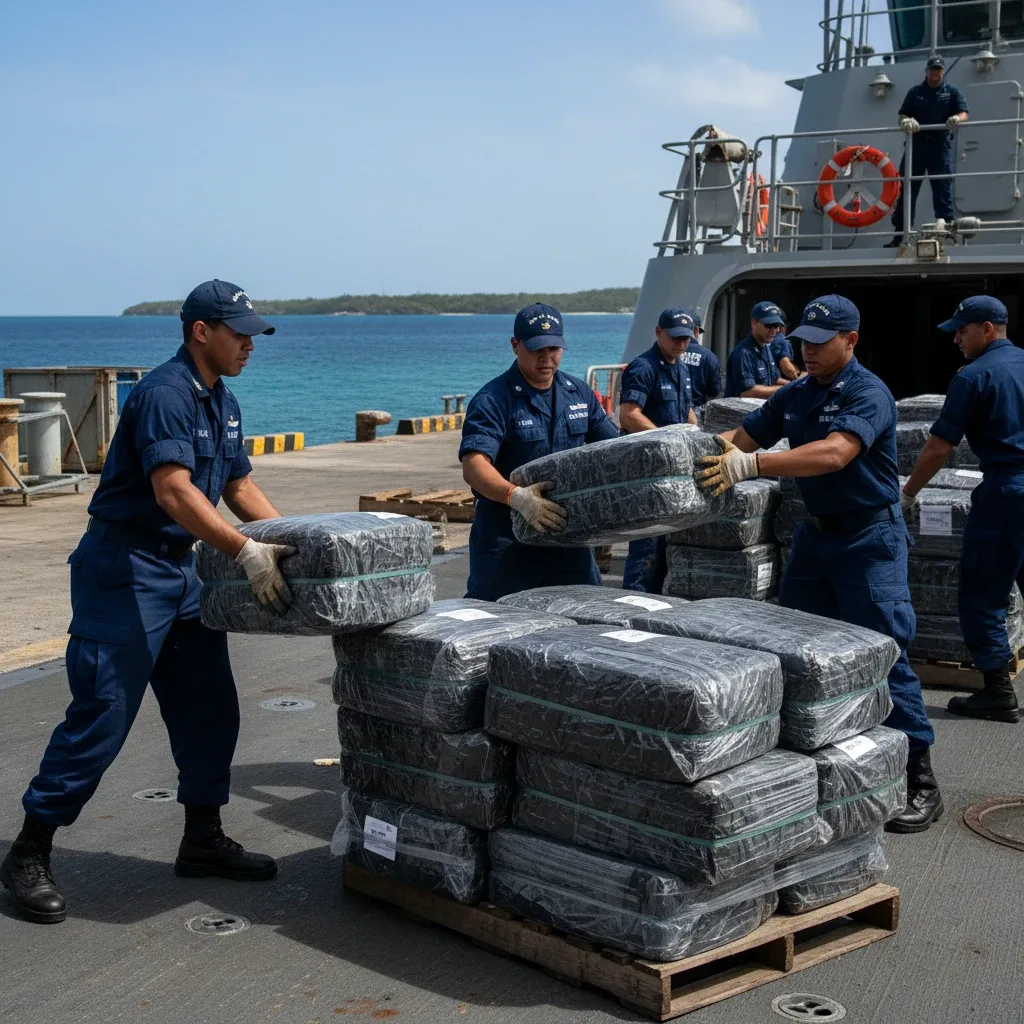
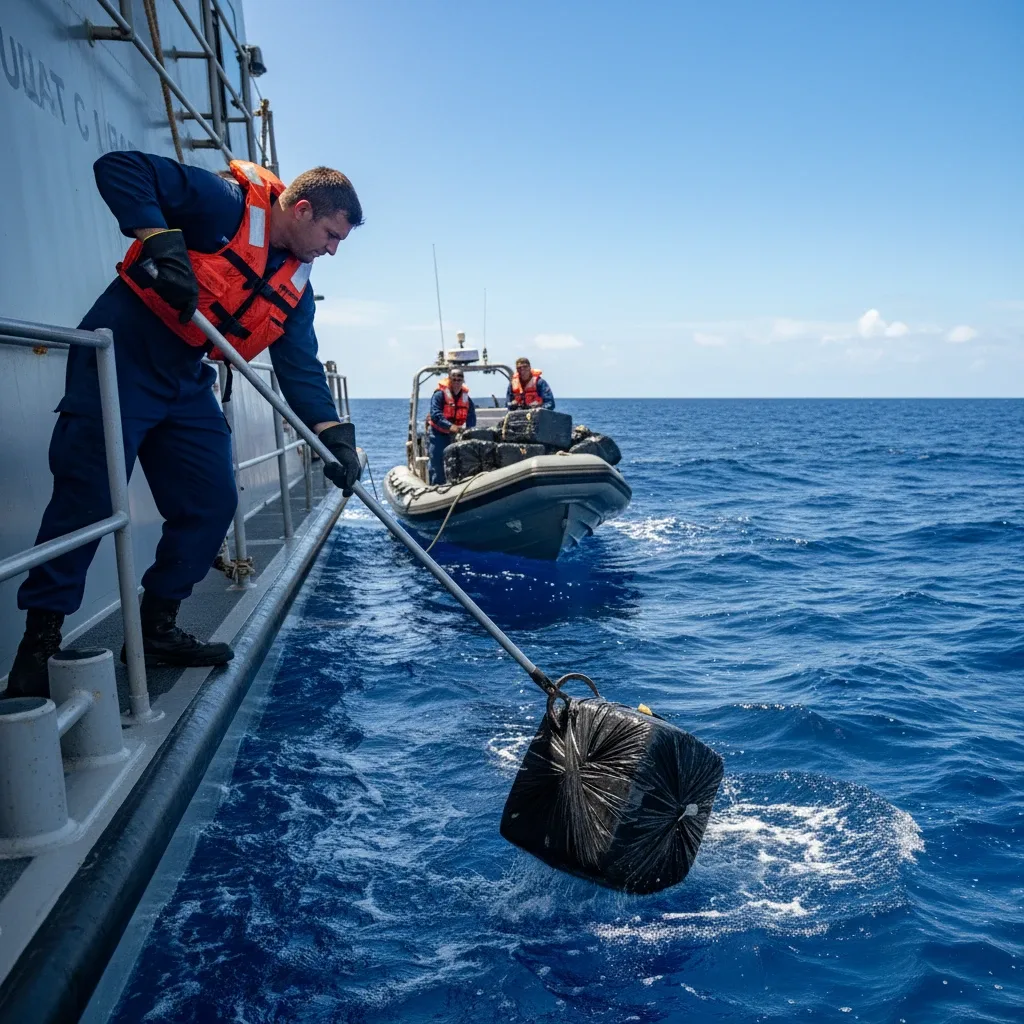
The rescue operation unfolded in the same sector where federal agencies recently intercepted a major contraband shipment, highlighting the high risks faced by patrol crews. Federal agents continue to maintain a heavy presence in these waters to combat illicit shipping. This patrol density is crucial as crews monitor critical sea routes, a situation made more urgent amid worries detailed in our report on how Middle East shipping supply worries affect local maritime security operations.
Local authorities have increased coordination with federal entities to patrol the Mona Passage and northern coastal waters. The increase in patrol missions follows a series of capsizing incidents involving wooden vessels and smuggling operations trying to bypass standard entry points.
Severe North Swells Threaten Regional Small Craft Safety
Coastal conditions near the Cabo San Juan reef system have remained highly volatile throughout May. The National Weather Service in San Juan had issued a small craft advisory earlier in the week, warning of breaking waves and hazardous rip currents.
Historical search and rescue data shows that the northern reef passages are notoriously difficult to navigate during seasonal transition months. The rocky underwater topography near Icacos and surrounding keys creates complex wave patterns that can easily overwhelm smaller recreational and commercial vessels.
Emergency Maritime Protocols Remain Active as Marine Patrols Resume
Federal security forces resumed active patrols by Thursday afternoon once the sea state stabilized near the northern keys. Salvage crews are currently coordinating the recovery of the two capsized hulls to prevent any environmental hazards or fuel leaks near the marine nature reserve.
Officials urge all civilian boaters to verify their emergency signaling equipment before leaving port. The Coast Guard continues to emphasize that carrying functional marine VHF radios and registering emergency locator beacons remain the most effective ways to ensure a rapid rescue.
Frequently Asked Questions
What should small craft operators do when encountering high swells off Cabo San Juan?
Boaters should immediately reduce speed and angle the bow of the vessel at a 45-degree angle to oncoming waves to prevent capsizing. The U.S. Coast Guard recommends staying within protected bays during active small craft advisories and keeping a continuous watch on VHF channel 16 for emergency broadcasts.
Where can local boaters register their emergency locator beacons in Puerto Rico?
Mariners can register their Emergency Position Indicating Radio Beacons online through the National Oceanic and Atmospheric Administration registration database. Accurate beacon registration allows Coast Guard search coordinators to instantly identify the vessel owner, homeport, and emergency contact details during a distress event.
Written by
Newstrix AI
Encanto News