U.S. Coast Guard Seizes $12 Million in Cocaine Off Puerto Rico Coast
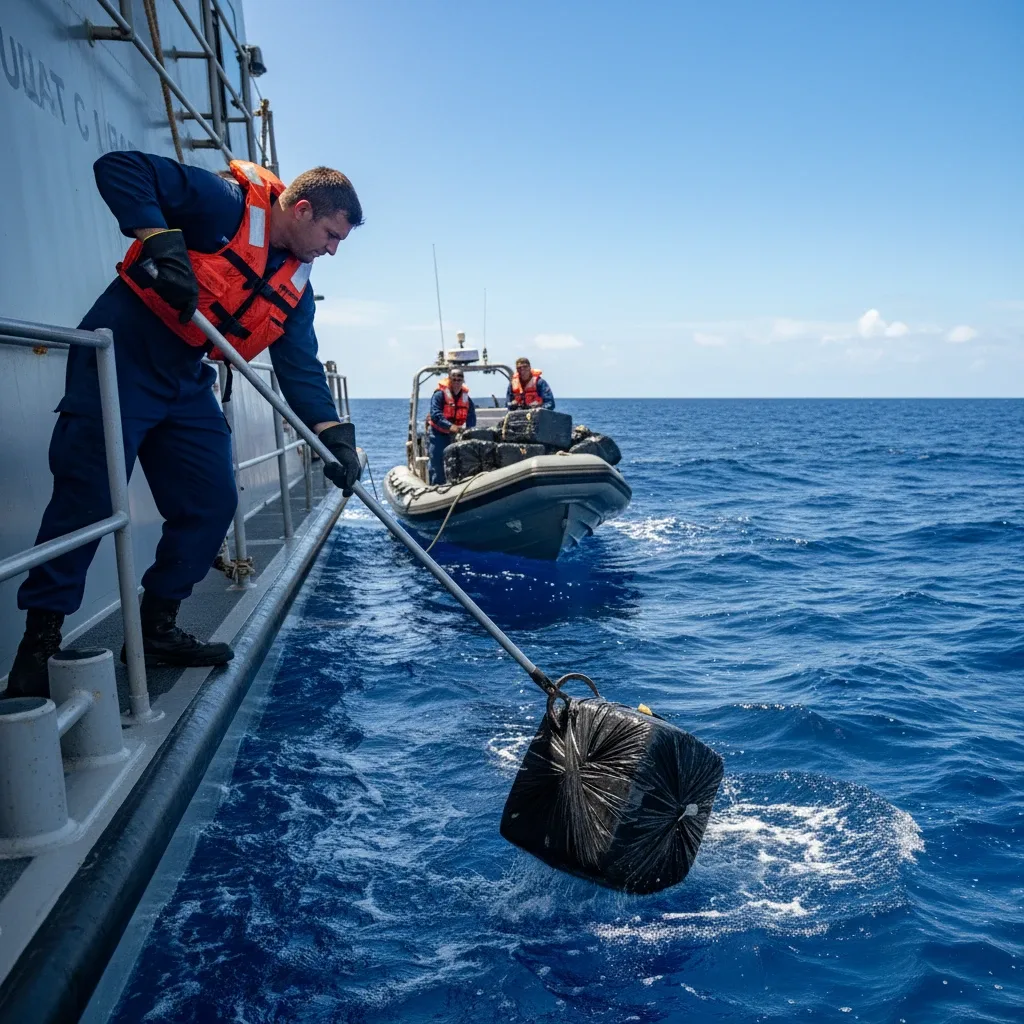
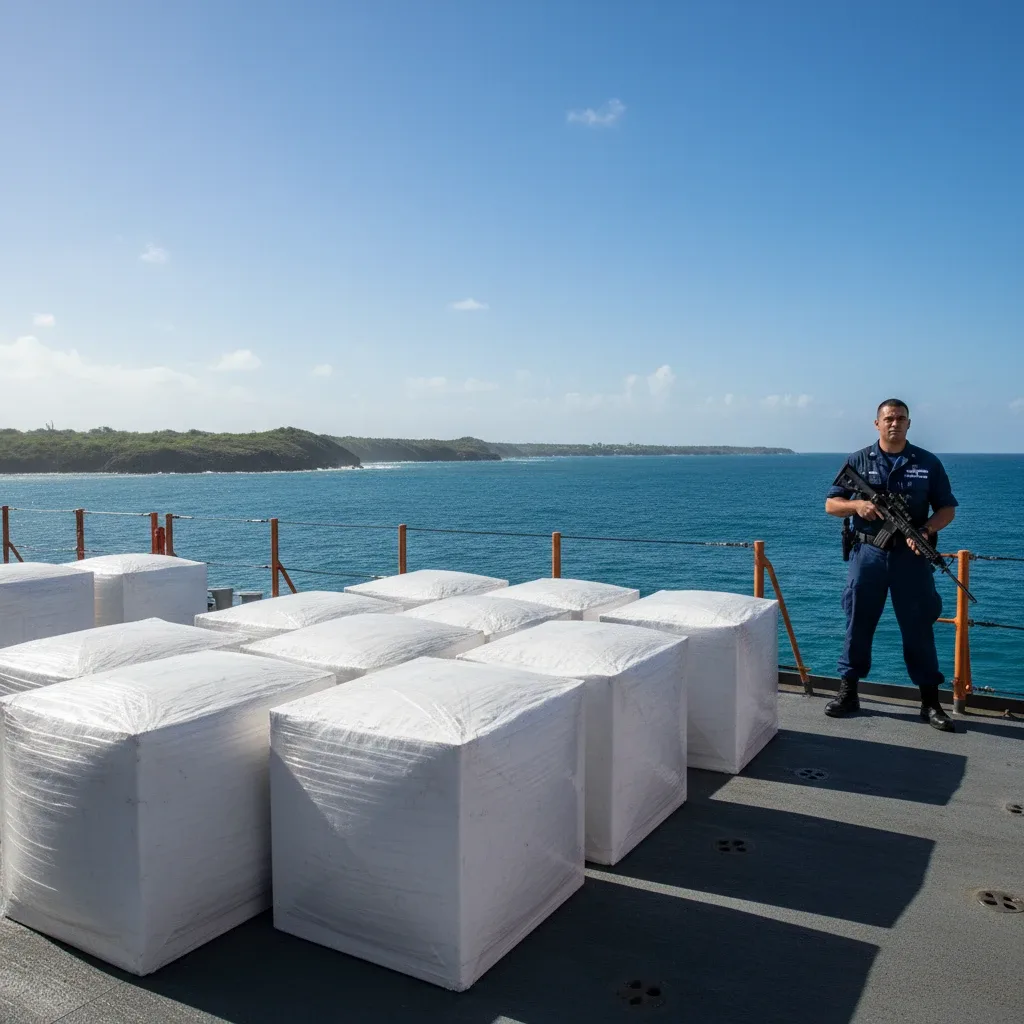
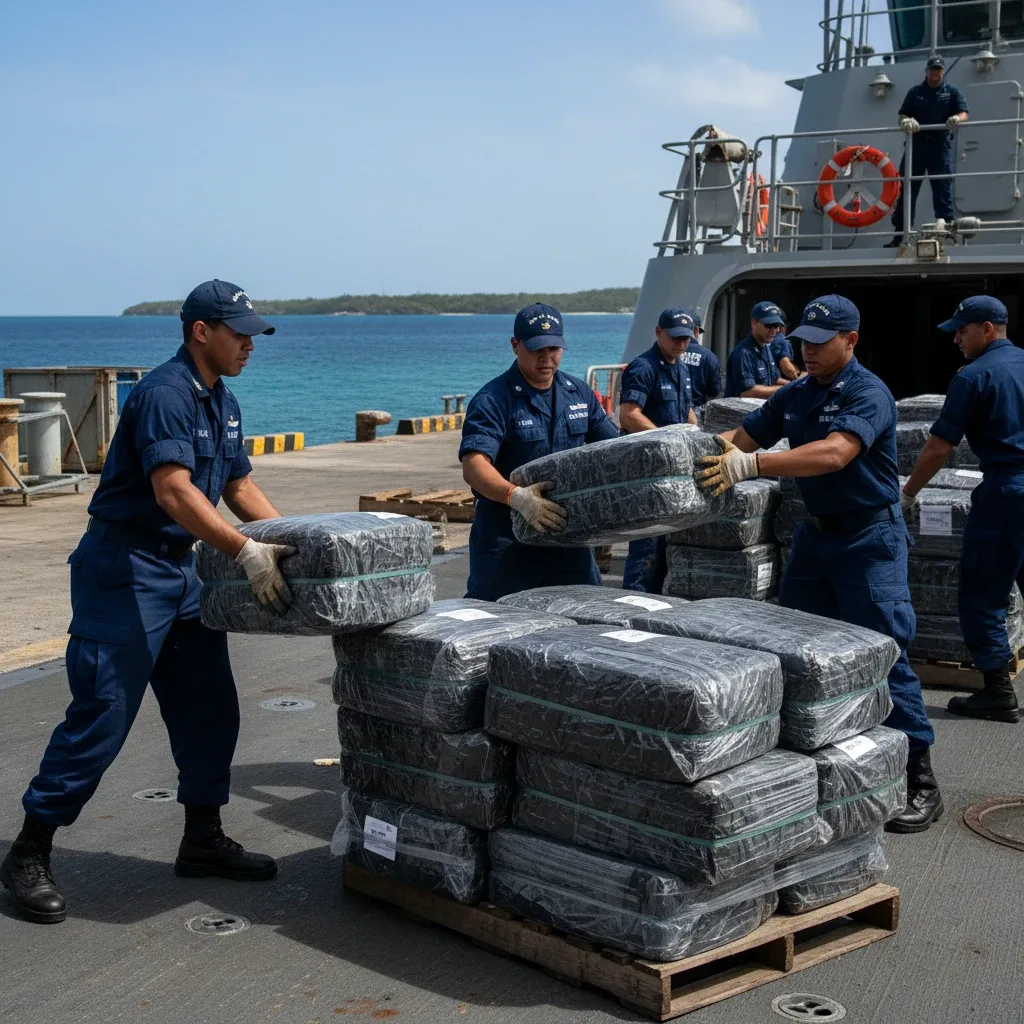
SAN JUAN — A U.S. Coast Guard crew recovered over two dozen bales of cocaine from waters off Puerto Rico's north coast Tuesday morning, with an estimated street value of $12 million, according to CBS News. The seizure represents a significant blow to drug trafficking operations targeting the U.S. mainland.
The interdiction highlights ongoing efforts by federal agencies to combat illegal narcotics shipments through Caribbean waters. This operation follows increased surveillance in known transit zones.
North Coast Interdiction Yields Major Cocaine Seizure
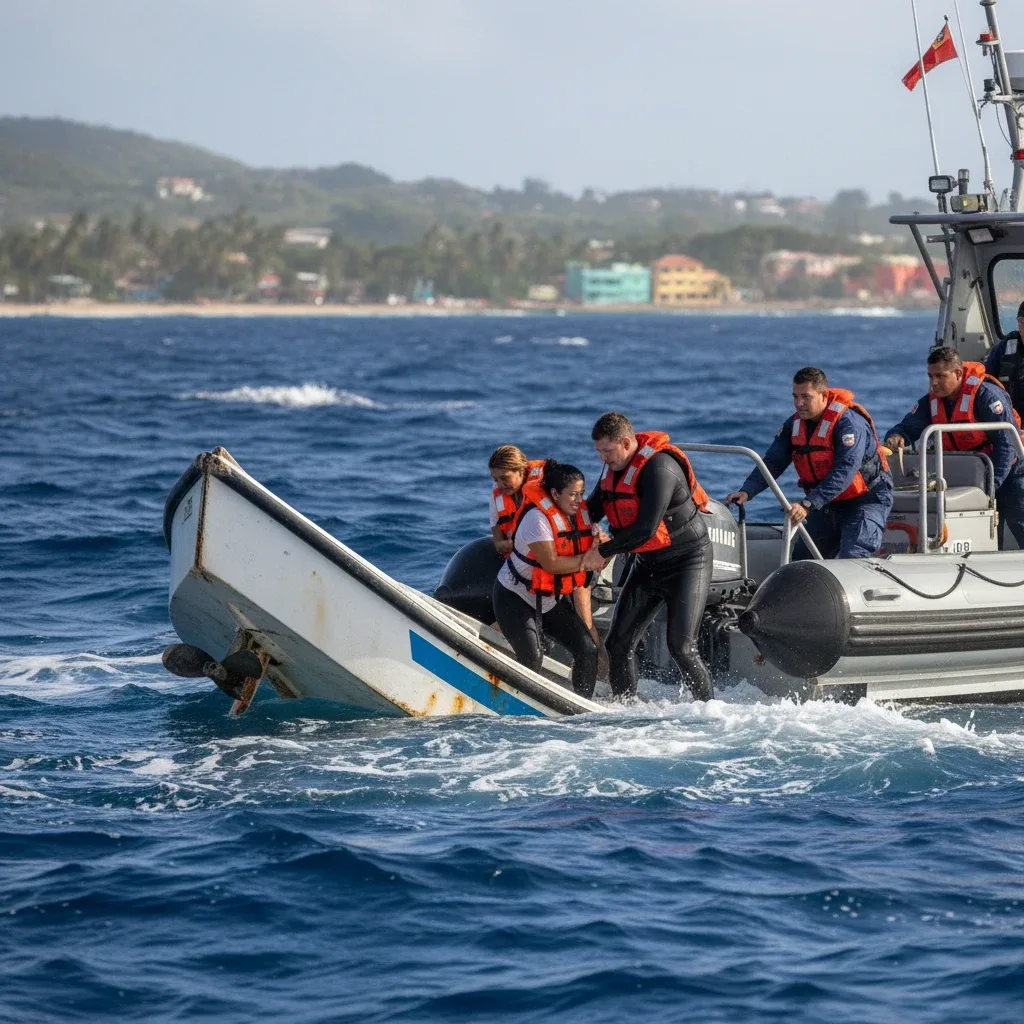
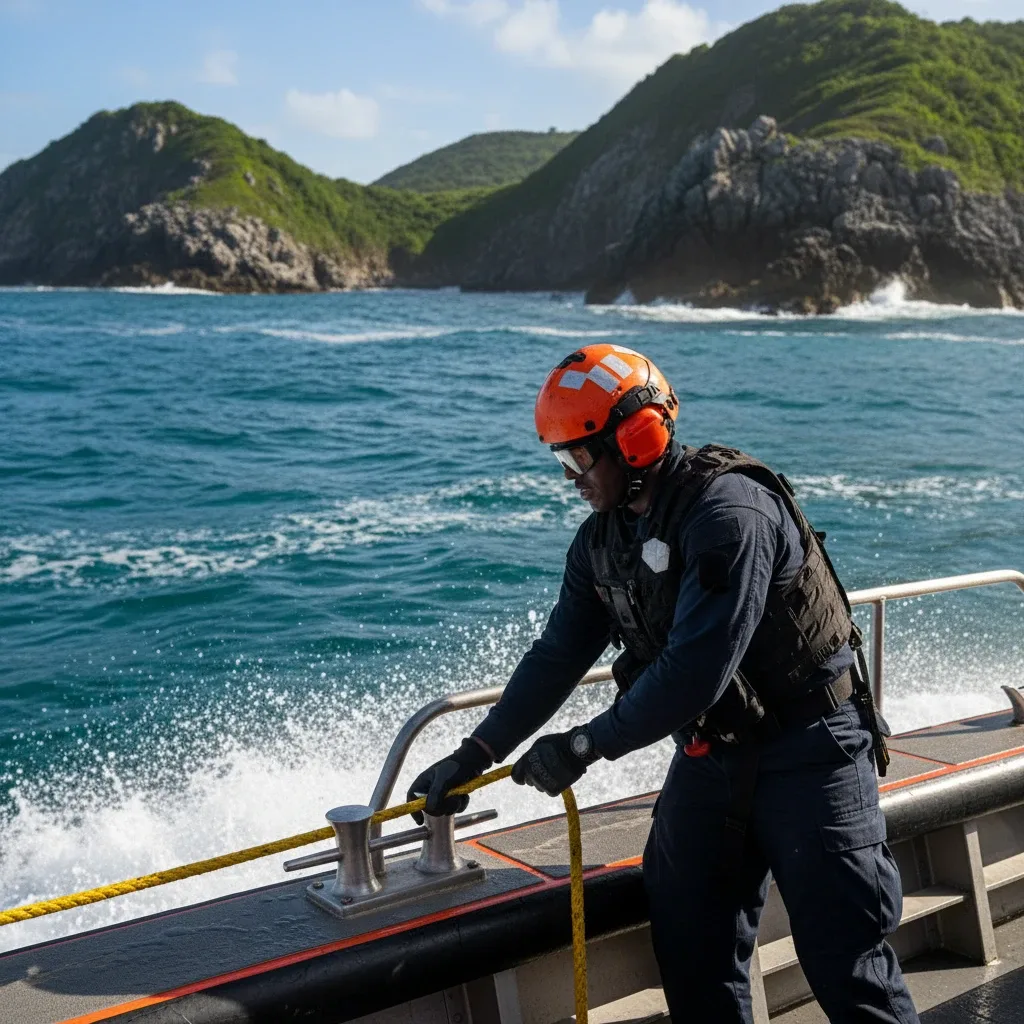
Coast Guard officials confirmed the successful operation took place approximately 70 nautical miles north of San Juan. The crew of the cutter Joseph Napier intercepted a suspicious vessel, leading to the discovery of 26 bales of cocaine. This was after a brief pursuit, as reported by CBS News.
The contraband weighed over 600 kilograms, confirming its substantial value. This specific area of the north coast is a frequent corridor for drug smugglers attempting to reach larger markets.
Federal Response and Law Enforcement Cooperation
"This significant seizure demonstrates our unwavering commitment to interdicting illicit narcotics before they reach our shores," said Commander Mark Johnson, Sector San Juan. "The seamless cooperation between our air and surface assets, alongside our law enforcement partners, was crucial to this success."
Johnson added that intelligence sharing with other federal agencies, including Homeland Security Investigations and the Drug Enforcement Administration, played a key role. The agencies continuously monitor maritime traffic for suspicious activity.
Escalating Drug Trafficking Trends in the Caribbean
The Caribbean continues to be a primary transit zone for cocaine originating from South America, destined for the United States. Federal data shows a 15% increase in maritime drug seizures in the region over the past year. This escalation necessitates persistent enforcement efforts.
Traffickers often exploit the vast maritime expanse and the proximity to the U.S. coast. They use various methods, from fast boats to semi-submersibles, to evade detection. The scale of these operations impacts Puerto Rico's Public Safety & Crime significantly.
Impact on Public Safety and Drug Distribution
The removal of $12 million worth of cocaine from circulation prevents these narcotics from reaching communities and fueling related criminal activities. Large-scale interdictions directly disrupt the supply chain of organized crime syndicates operating in the region.
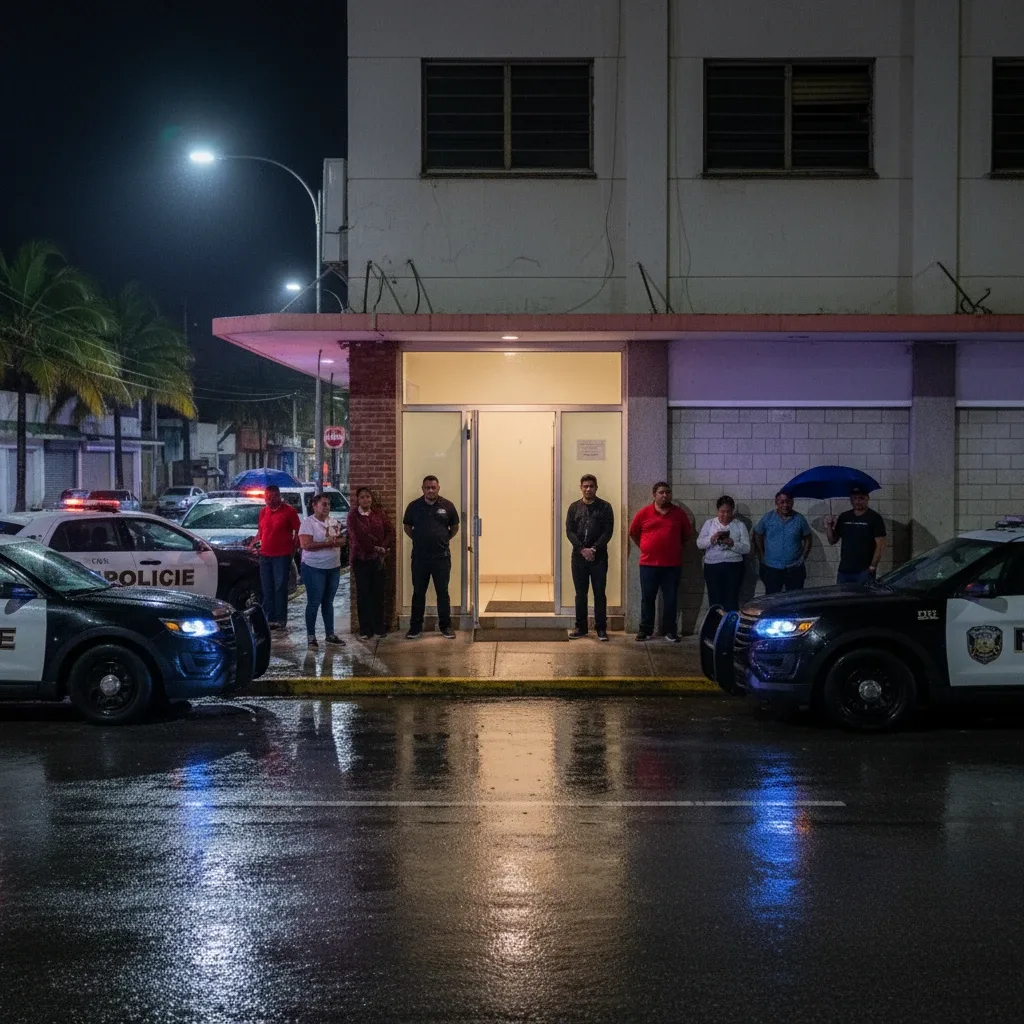
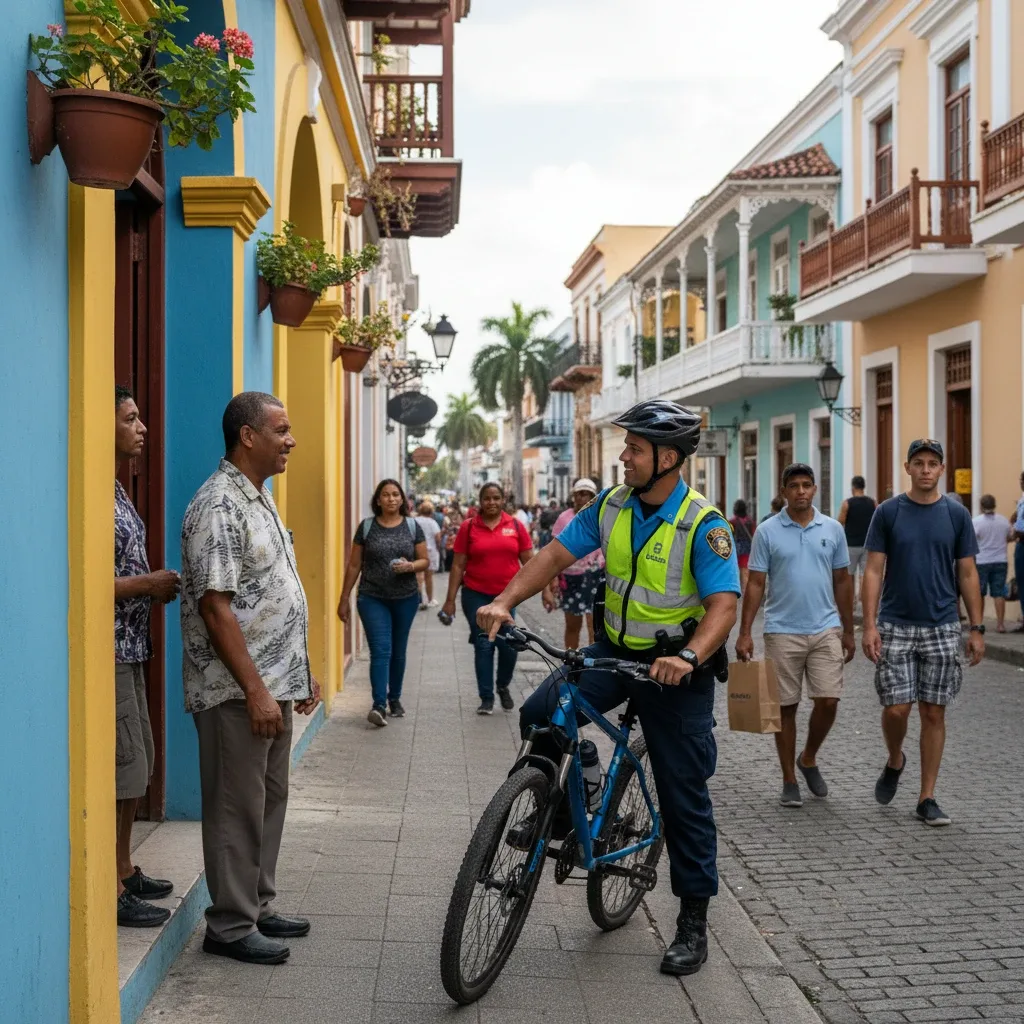
Reduced availability of illegal drugs can lead to a decrease in overdose incidents and associated public health crises. It also aims to diminish the violence often connected to drug distribution networks. This recent bust could affect the local drug market in San Juan, preventing street-level distribution and related criminal activities.
Future Operations and Enhanced Surveillance
Federal authorities plan to enhance aerial and maritime surveillance capabilities in the waters surrounding Puerto Rico in 2026. This includes deploying newer patrol assets and advanced detection technology to improve interdiction rates. The Coast Guard is adapting to evolving smuggling tactics.
The U.S. Attorney's Office for the District of Puerto Rico will prosecute those arrested in connection with this seizure. They emphasize the federal commitment to dismantle major drug trafficking organizations. Ongoing efforts seek to bolster Puerto Rico's national security measures.
Frequently Asked Questions
How do authorities estimate the street value of seized drugs like cocaine? The street value of seized narcotics is determined by calculating the estimated purity and quantity of the drug, then applying current market prices based on intelligence from previous arrests and drug purchases. These figures can fluctuate based on supply, demand, and regional pricing within the illicit drug trade.
What happens to the seized cocaine after an interdiction operation? After a seizure, the cocaine is transported to a secure federal facility where it is documented, weighed, and sampled for forensic analysis. Once legal proceedings are complete, the vast majority of seized narcotics are incinerated under strict supervision, preventing them from re-entering the drug supply chain.
Written by
Newstrix AI
Encanto News