U.S. Coast Guard Seizes 24 Bales of Cocaine Worth $12 Million Off Coast

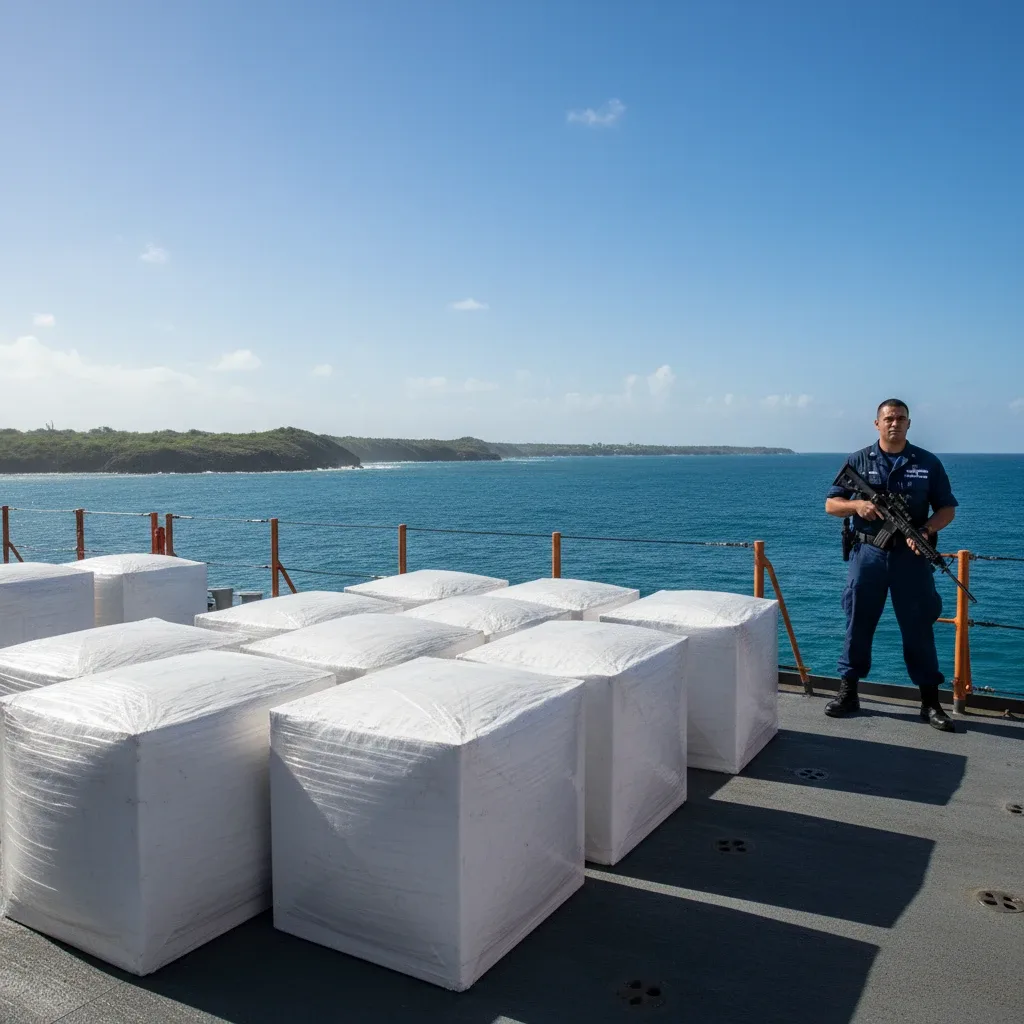
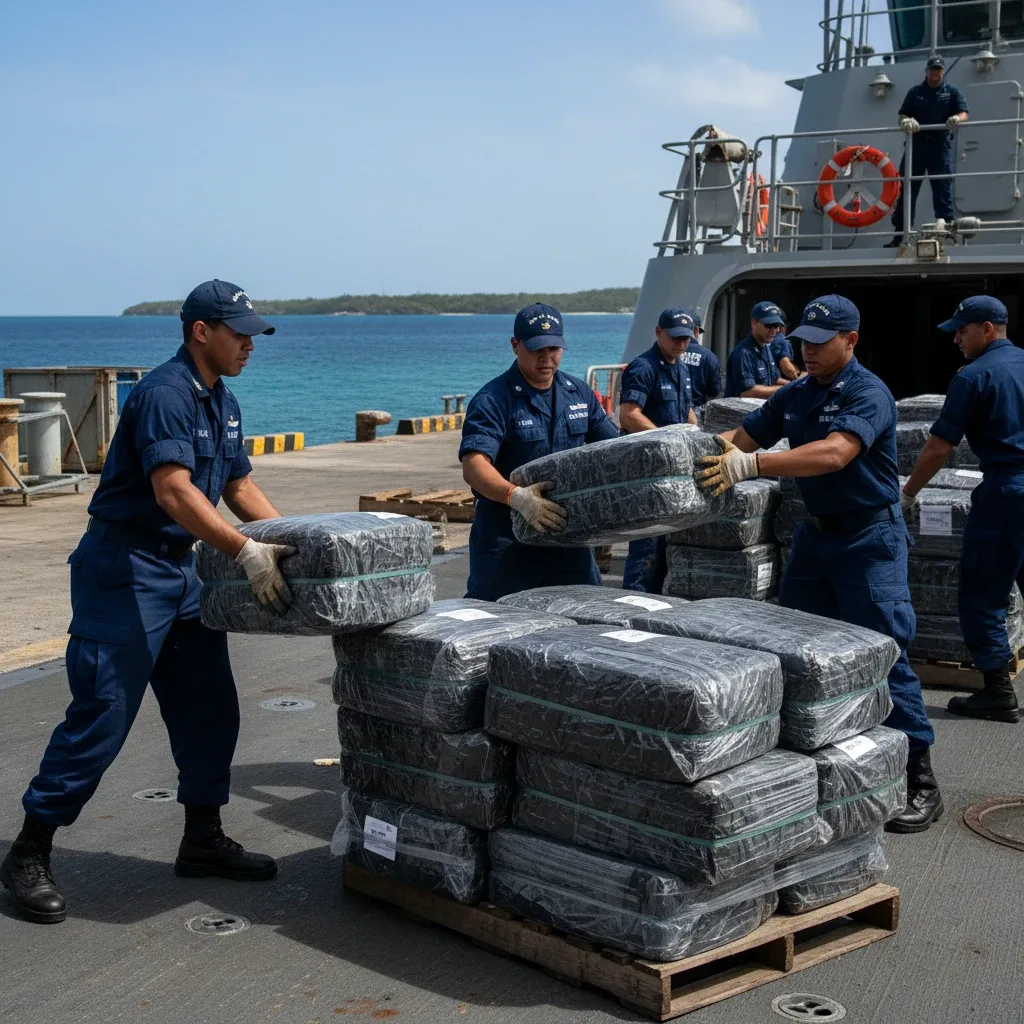
SAN JUAN — Rear Admiral Douglas Schofield, Commander of the Seventh Coast Guard District, announced Wednesday the successful interception of a smuggling vessel carrying over two dozen bales of cocaine off Puerto Rico's northern shore. The high-stakes maritime operation resulted in the recovery of approximately 24 bales of narcotics, valued at an estimated $12 million.
The strategic interception represents a significant disruption to transnational criminal organizations operating in the Caribbean transit zone. Federal agents executed the sweep under the cover of darkness during a routine patrol of known transit routes.
Tactical Maritime Intercept Near Arecibo Offshore Sector
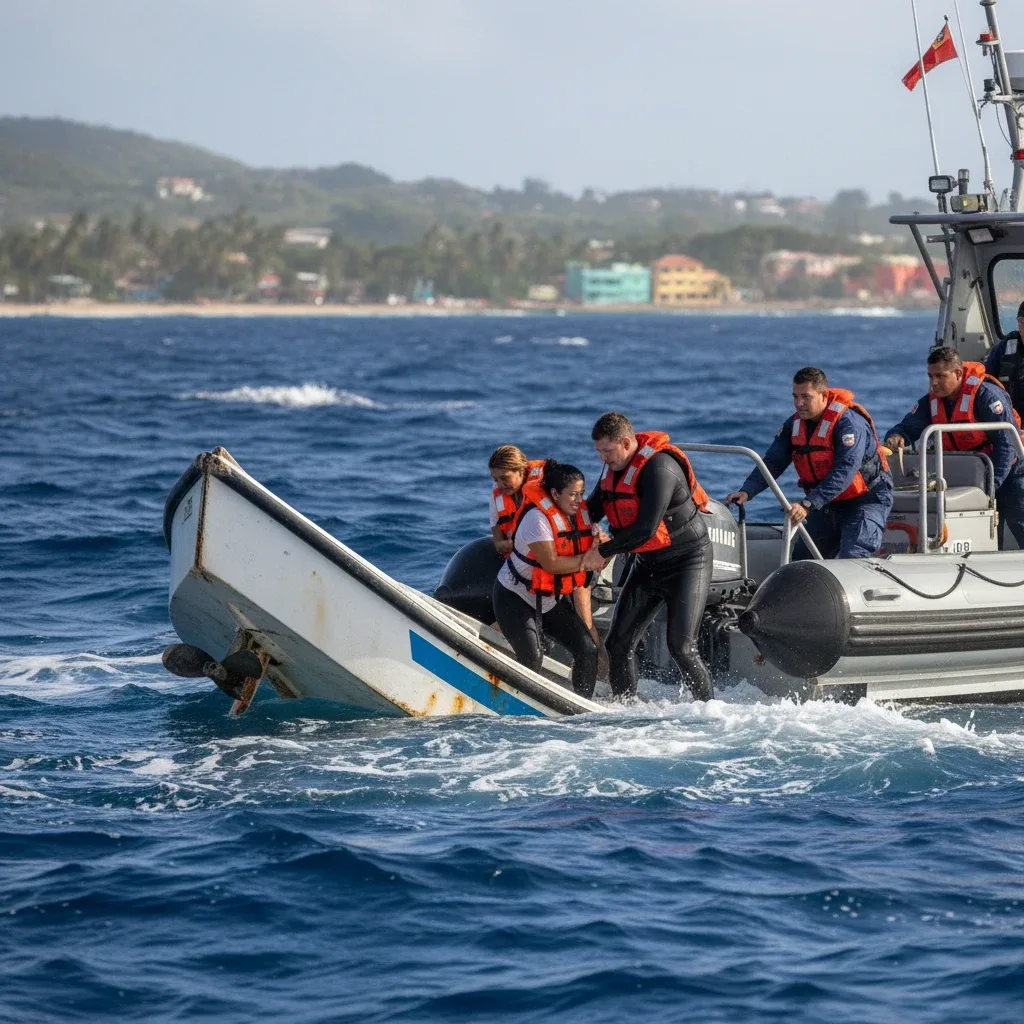
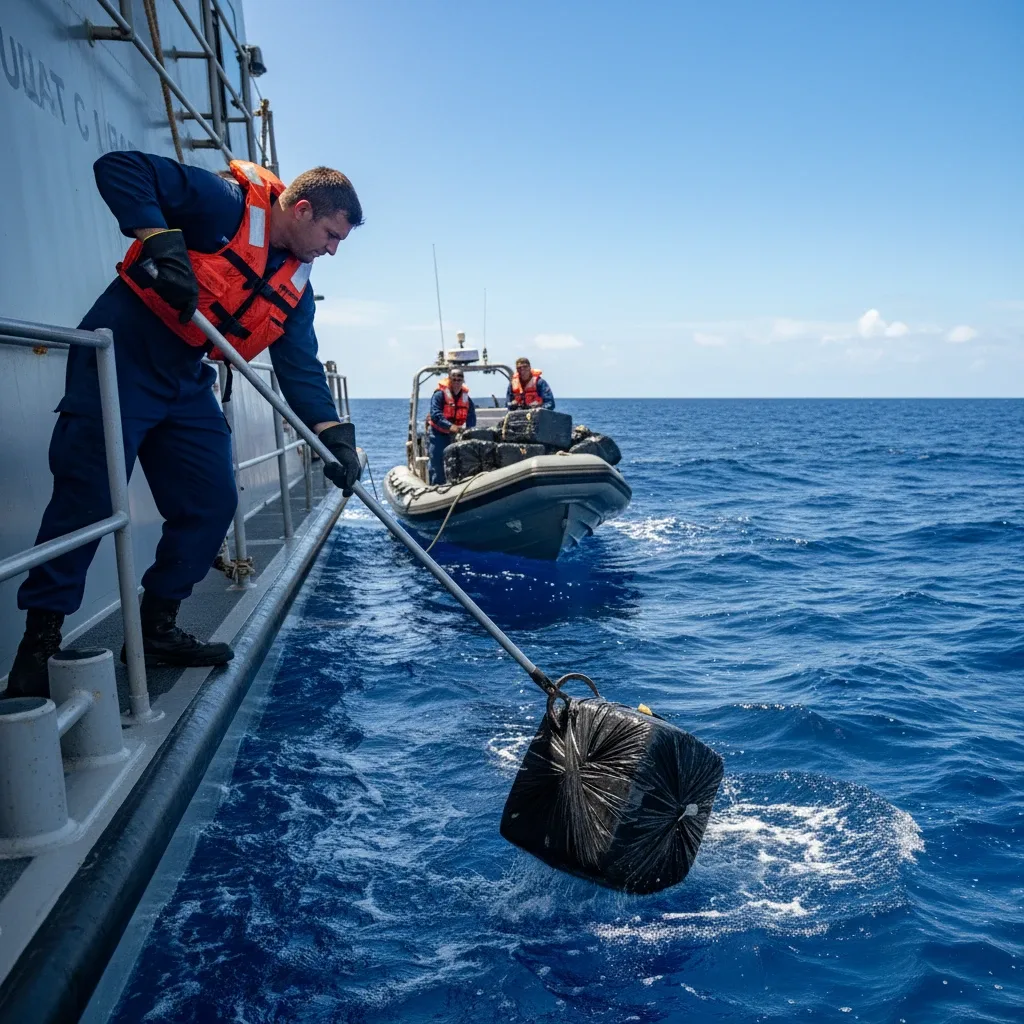
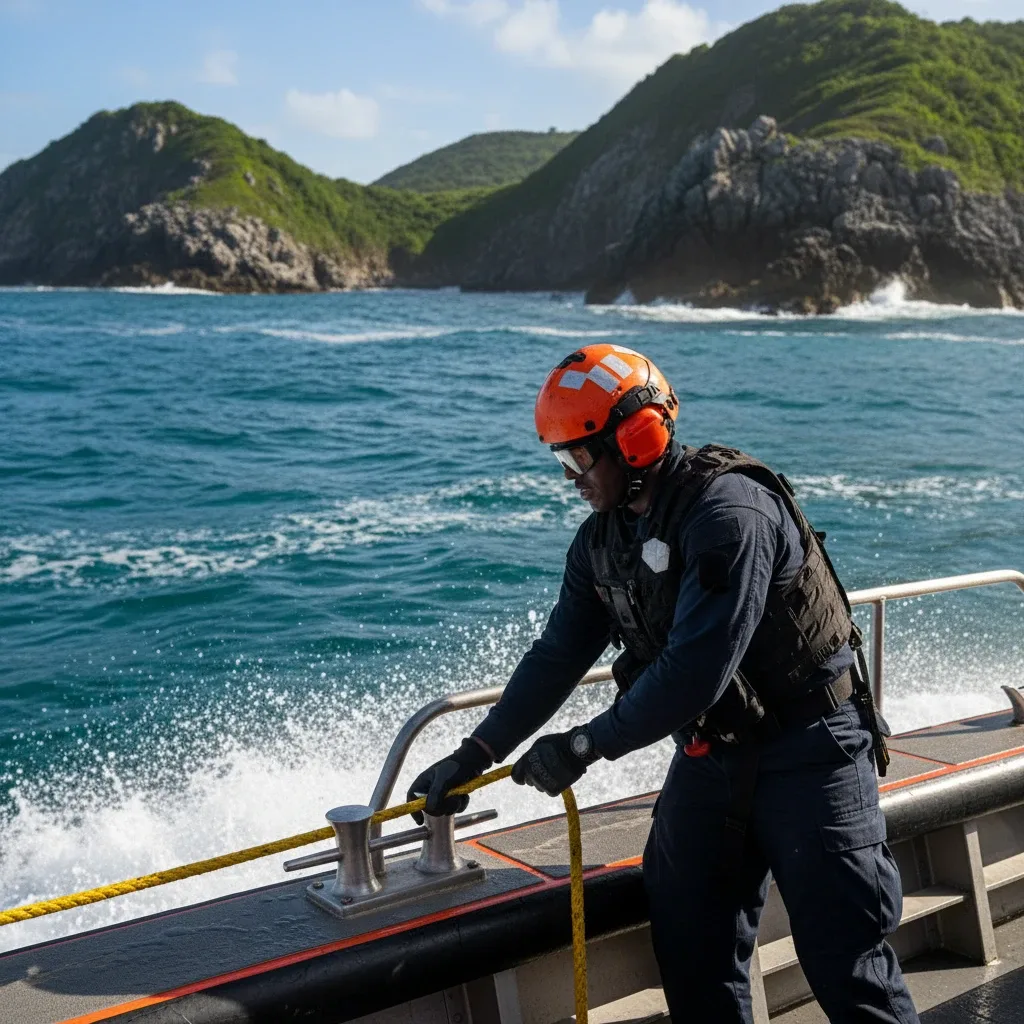
The physical sweep occurred approximately 22 nautical miles north of Arecibo, where Coast Guard sentinel-class cutters coordinated with regional patrol aircraft to track a suspicious low-profile vessel. Tactical officers deployed high-speed interceptor boats after the suspect craft ignored multiple radio warnings to stop.
According to CBS News coverage of Puerto Rico, the crew of the go-fast vessel began jettisoning their illegal cargo into the Atlantic Ocean when they realized federal units were closing in. Coast Guard tactical operators recovered the floating packages from the water before the narcotics could sink.
Federal Authorities Outline Narcotics Recovery Effort
"This successful seizure is a direct result of our joint operational readiness and dedication to securing the maritime borders of Puerto Rico," Rear Admiral Douglas Schofield said in a statement released Wednesday afternoon. Schofield added that federal agencies are increasing their aerial surveillance footprint to counter shifting trafficking methods.
Special agents from the Drug Enforcement Administration and Homeland Security Investigations took custody of the seized narcotics at the sector base in San Juan. Authorities confirmed that the suspect vessel was seized and three individuals on board were detained for prosecution.
Regional Smuggling Trends and Coast Guard Deployment Data
Data from the Department of Homeland Security indicates that maritime smuggling attempts along Puerto Rico’s northern coast have risen by 14 percent over the past year. The Atlantic waters north of San Juan present a difficult challenge for patrols due to deep ocean trenches and heavy commercial shipping lanes.
To counter this, the Coast Guard has deployed two additional fast response cutters to the San Juan sector, boosting the island's coastal patrol capabilities. The permanent deployment aims to bolster the regional maritime security shield while local authorities address other security needs, such as the Puerto Rico government water infrastructure initiative to stabilize municipal networks.
Historical Maritime Interdiction Operations in the Caribbean Basin
The Caribbean Corridor has remained a primary transit zone for illicit narcotics destined for the United States mainland since the mid-1980s. Over the past decade, federal task forces have seized more than 150 metric tons of cocaine in the waters surrounding the archipelago.
Prior major busts, such as the historic multi-ton seizure off the coast of Isabela in 2022, have forced smuggling rings to utilize smaller, low-profile vessels to evade radar detection. Joint operations with international partners continue to target these evolving maritime networks.
Next Steps in Prosecution and Border Protection Initiatives
The three detained suspects face federal charges in the U.S. District Court for the District of Puerto Rico, where prosecutors plan to present the recovered physical evidence. Under federal law, the individuals could face mandatory minimum sentences of 10 years to life in prison.
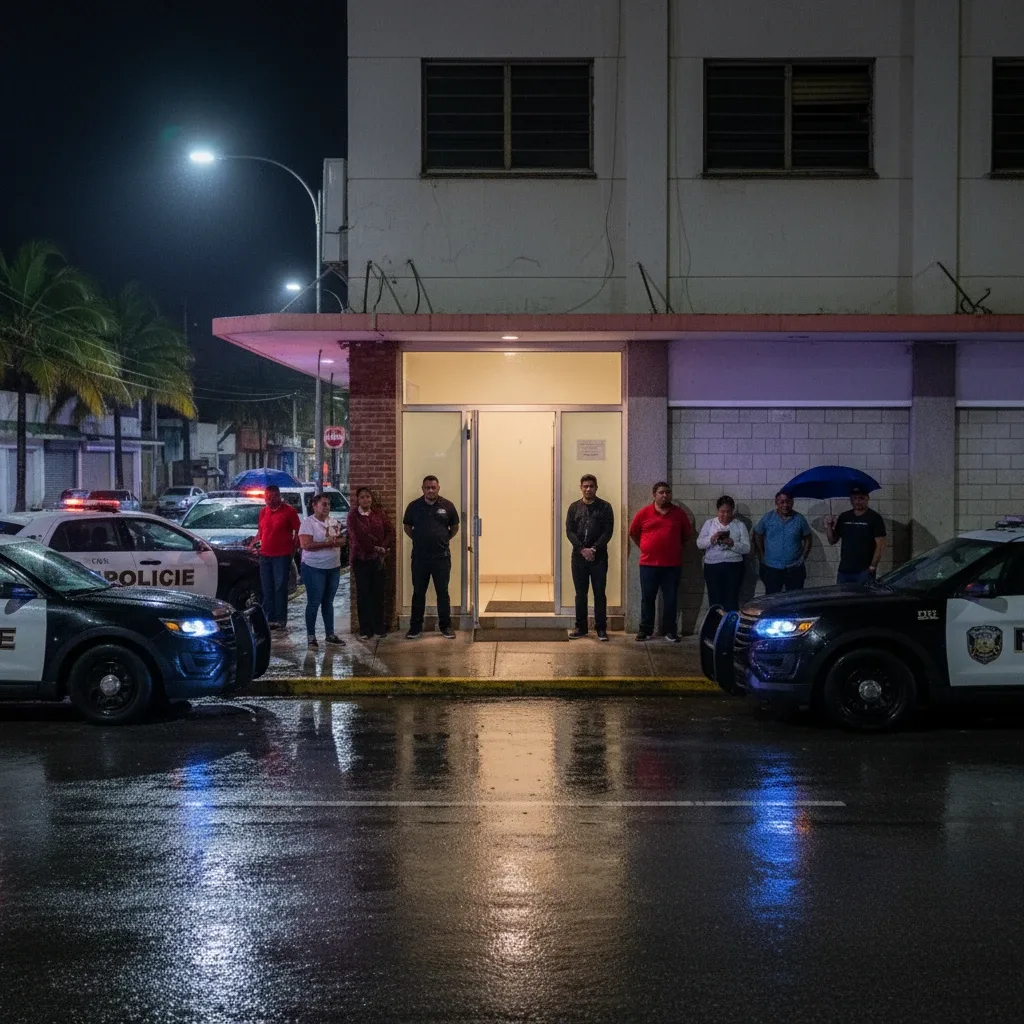
Customs and Border Protection units will maintain heightened surveillance along the northern beaches from Aguadilla to Fajardo through the end of the month. Local municipal police departments have also been briefed to watch for suspicious beach landings in rural coastal areas.
Frequently Asked Questions
How does the U.S. Coast Guard identify suspect vessels off Puerto Rico's coast?
Federal patrols utilize a combination of long-range maritime patrol aircraft, satellite tracking, and radar installations situated along the coast of Puerto Rico. When a low-profile vessel is detected traveling without navigation lights in known smuggling lanes, tactical cutters are dispatched to perform a physical intercept. Coast Guard personnel coordinate closely with local municipal police and federal agencies during these operations.
What happens to the seized narcotics after a successful maritime bust?
All recovered contraband is transported to a secure federal holding facility in San Juan, where agents catalog and weigh the evidence. Representative samples are tested in federal laboratories to confirm the purity and origin of the chemical compound. Once the legal proceedings and trials are completed in the federal district court, the narcotics are destroyed via high-temperature incineration under strict federal supervision.
Written by
Newstrix AI
Encanto News