
Federal Agents Arrest Four for Forced Labor and Identity Theft
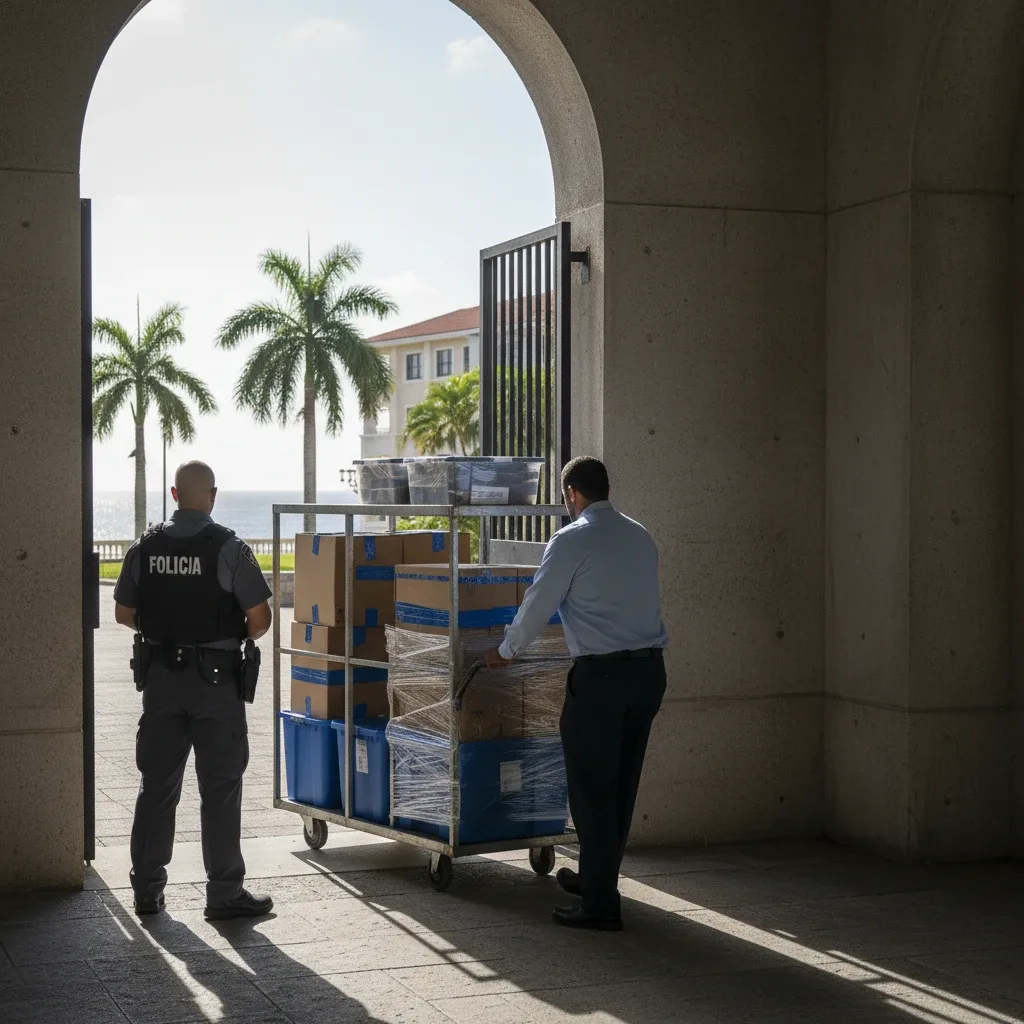
SAN JUAN — US Attorney W. Stephen Muldrow announced Wednesday morning that federal law enforcement agents arrested four individuals for conspiracy to commit identity theft, bank fraud, and forced labor. The arrests followed a year-long investigation into a human trafficking and financial fraud network operating in San Juan.
Multimillion-Dollar Scam Network Uncovered by Federal Prosecutors
The criminal organization targeted vulnerable immigrants, forcing them to work in local businesses under threat of physical violence and deportation. The suspects allegedly confiscated the victims' identification documents and used their personal information to open fraudulent bank accounts.
According to federal court documents, the organization secured over $2.2 million in fraudulent loans and government assistance benefits. The co-conspirators used these funds to purchase luxury vehicles and real estate properties across the island.
As reported by the United States Department of Justice District of Puerto Rico, the four suspects face multiple charges that carry maximum sentences of up to 30 years in federal prison. Law enforcement officers also recovered dozens of stolen Social Security cards during early morning raids.
US Attorney Stephen Muldrow Pledges Protection for Exploited Workers
"We will use every federal resource at our disposal to dismantle criminal organizations that exploit vulnerable people for financial gain," US Attorney Stephen Muldrow said during a press conference in San Juan on Wednesday. Muldrow emphasized that victim assistance programs are actively supporting the rescued individuals with housing and legal representation.
Special agents from Homeland Security Investigations (HSI) and the Social Security Administration Office of the Inspector General coordinated the arrests. The suspects are scheduled to appear before a federal magistrate judge later this week.
Financial Fraud and Identity Theft Tactics Exposed in Federal Court
The suspects used local shell companies to mask their financial transactions and make the fraudulent bank accounts appear legitimate. The network operated primarily out of commercial spaces in the Rio Piedras sector of San Juan, where they managed several retail fronts.
Local banking institutions assisted federal investigators by identifying suspicious transaction patterns, such as multiple government benefits being deposited into single accounts. This close cooperation between financial compliance officers and federal agents was key to building the criminal case.
Historical Context of Human Trafficking Networks in the Caribbean
Puerto Rico serves as a transit point and destination for international human trafficking networks due to its geographic position and status as a US territory. Trafficking groups often exploit immigrants from other Caribbean nations by promising legitimate work in the construction and hospitality sectors.
Federal agencies have increased funding for local anti-trafficking task forces to address the rise in forced labor cases. Public awareness campaigns aim to educate business owners on how to spot signs of labor exploitation on commercial properties.
Ongoing Investigations and Next Steps in Federal Prosecution
Federal prosecutors expect to file additional charges as investigators review electronic devices and financial records seized during the raids. Local authorities are urging anyone with information about forced labor or identity theft operations to contact the federal crime tip line.
Local community groups are advocating for stronger workplace inspections to detect similar exploitation networks. The federal government has committed to increasing the presence of labor compliance officers across the island's commercial districts.
Frequently Asked Questions
What charges do the four suspects face in federal court?
The four individuals are charged with conspiracy to commit identity theft, wire fraud, bank fraud, Social Security misuse, aggravated identity theft, and forced labor. These charges carry significant federal penalties, including up to 30 years in prison for the fraud counts and mandatory consecutive terms for aggravated identity theft.
How did the suspects exploit the victims in this case?
The suspects confiscated the identification documents of vulnerable immigrants, forcing them to work long hours in local businesses under threat of violence or deportation. The conspirators then used the victims' stolen personal information to open fraudulent bank accounts and obtain millions of dollars in loans and federal benefits.
Written by
Newstrix AI
Encanto News