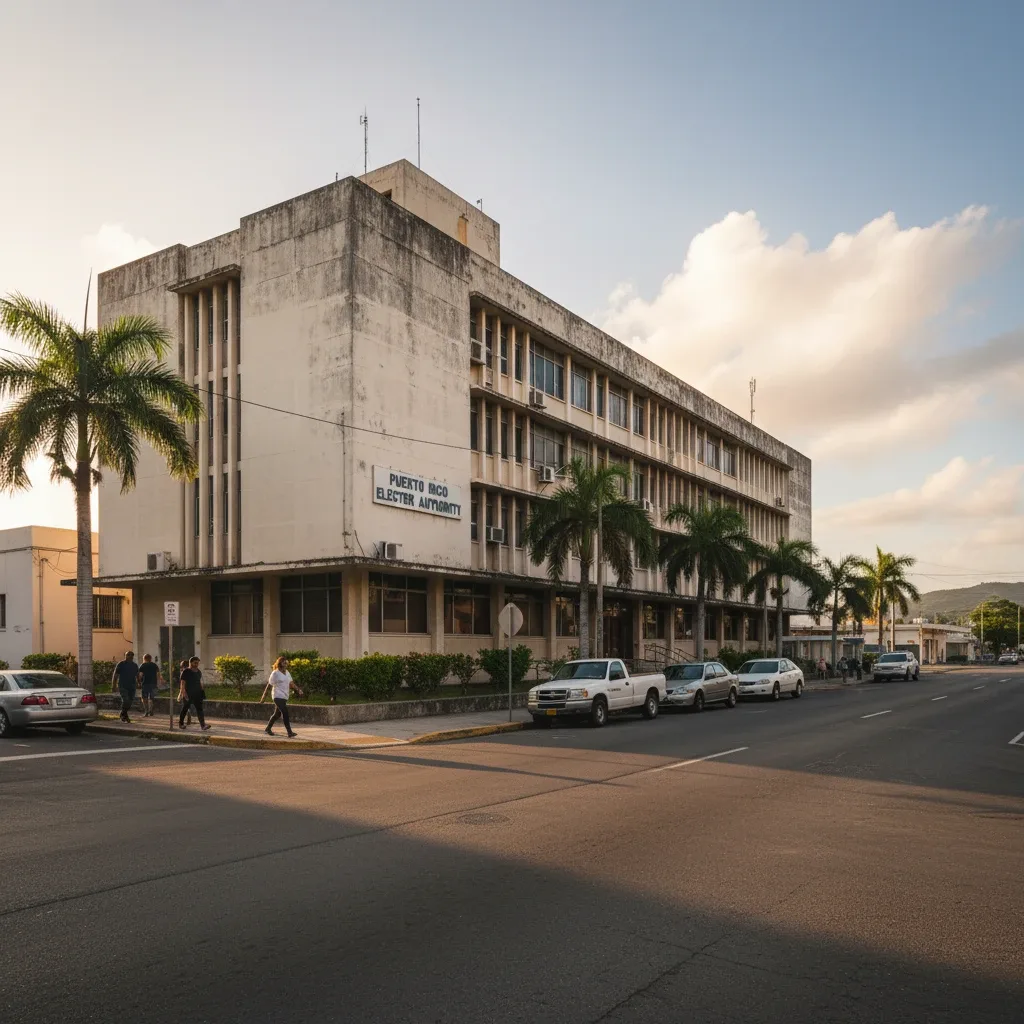
San Juan Neighborhoods Monitor Oil Prices Amid Middle East Attacks
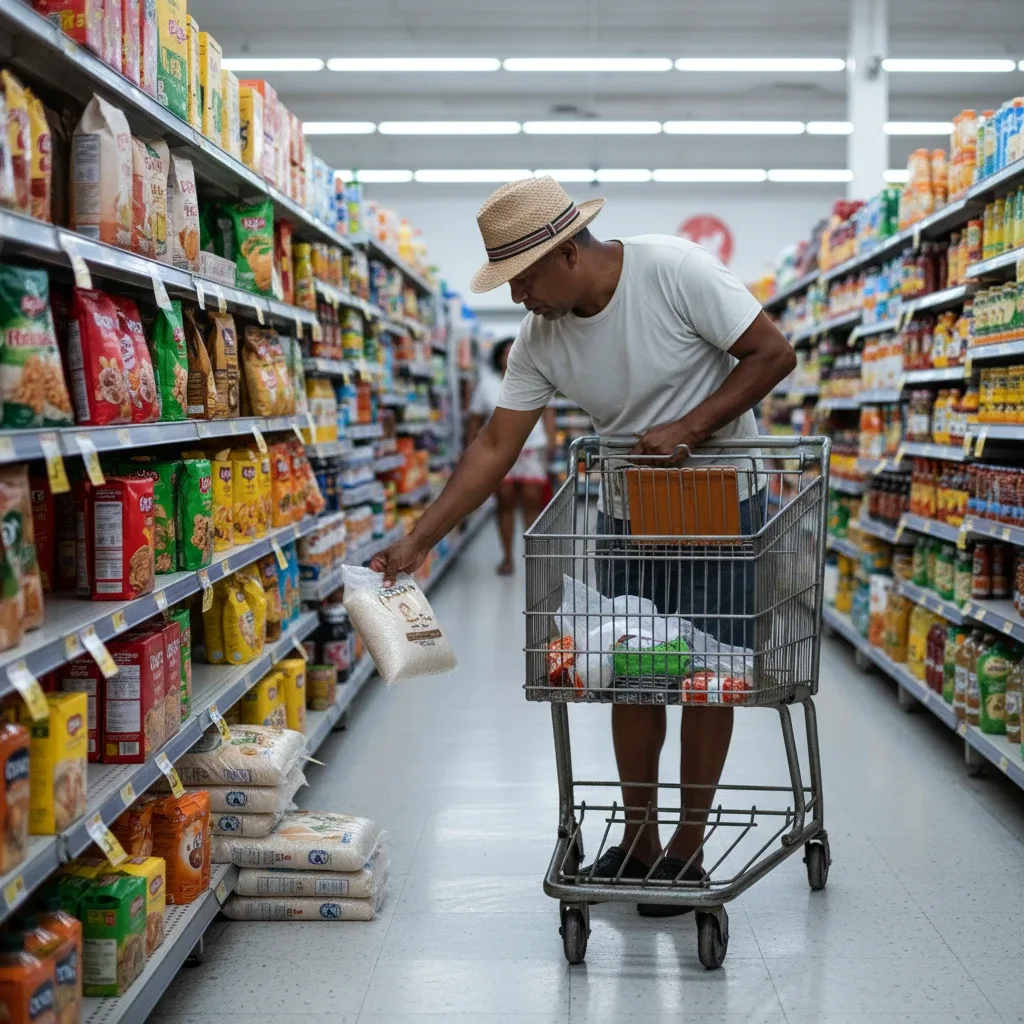
6.8 PERCENT average increases in grocery prices hit local supermarkets in San Juan this week as the physical attacks on Iran’s political leadership sent global oil markets into a volatile spiral. The sudden price increases have prompted neighborhood associations in coastal zones to organize emergency monitoring committees to track the rising cost of imported food and retail utilities.
According to the New York Times, the escalating internal conflict within Iran has severely disrupted maritime shipping lanes, driving global petroleum benchmarks past $98 per barrel. Because the island relies on maritime shipping for nearly all of its daily consumer imports, local retailers have immediately adjusted shelf prices to reflect rising transshipment costs.
Coastal Neighborhoods Track Retail Grocery Cost Indexes
Residents in high-density San Juan neighborhoods like Condado and Santurce have reported sharp price increases on basic staples, including milk, rice, and fresh poultry. Local supermarket managers confirm that freight forwarders have added fuel surcharges to all container shipments arriving from Jacksonville and Miami.
- Average retail cost of a gallon of milk rose to $6.85 in metropolitan stores
- Imported grain shipping fees increased by 14 percent since early February
- Local bakeries report a 12 percent rise in commercial electricity costs
These rising expenses are placing immense strain on local family budgets, leading to widespread concern among civic organizations. This economic instability is particularly challenging as the economic council reports steady growth in tourism-related taxes, highlighting the growing economic divide between visitor-driven sectors and local residential communities.
Community Leader Carmen Ortiz Expresses Growing Family Anxiety
"We are seeing immediate price hikes at our local colmados, and families are genuinely worried about how they will afford basic food items next month," Santurce Community Board President Carmen Ortiz said Wednesday afternoon. "Our residents have no safety cushion, and any increase in international shipping costs translates directly into empty plates here in Puerto Rico."
Ortiz added that the board has requested meetings with the Department of Consumer Affairs to demand strict price controls on essential household items. However, state officials have indicated that they cannot interfere with international shipping surcharges that originate outside municipal jurisdiction.
Shipping Logistics Data Identifies Rising Atlantic Freight Fees
Logistics reports from the Port of San Juan show that the average cost to ship a refrigerated container from the US mainland has risen by $420 over the past thirty days. This increase represents the sharpest monthly rate hike since the supply chain crises of the pandemic era.
Economic analysts project that if global oil prices remain above $95 per barrel through the spring, the island's annual inflation rate could reach 5.4 percent. This projection has prompted retail associations to warn of potential reductions in consumer spending during the upcoming holiday quarters.
Historical Realities of the Island's Extreme Import Dependence
Puerto Rico's extreme sensitivity to international geopolitical conflicts is deeply rooted in its economic structure, which was shaped by the Merchant Marine Act of 1920, commonly known as the Jones Act. This federal law requires all goods transported by water between US ports to be carried on US-flagged, US-built, and US-crewed vessels, which historically doubles the cost of maritime transit.
This high baseline transit cost makes the island's supply chain uniquely vulnerable to global fuel price fluctuations. Whenever international tensions disrupt shipping lanes, the added fuel surcharges are amplified by the high costs of Jones Act shipping, resulting in immediate retail inflation for local consumers.
Small Businesses Form Purchasing Cooperatives in Ponce
To combat rising wholesale prices, small independent grocers in Ponce are forming regional purchasing cooperatives to negotiate better bulk rates with maritime distributors. By pooling their orders, these merchants hope to bypass intermediate brokers and lower their total landed costs.
But business owners acknowledge that cooperative buying cannot completely offset the rising costs of diesel fuel and commercial electricity. The Puerto Rico Senate has scheduled public hearings for next week to evaluate the impact of global supply chain disruptions on local agricultural production.
Frequently Asked Questions
How do rising global oil prices directly affect domestic electricity rates in Puerto Rico?
Because the Puerto Rico Electric Power Authority relies heavily on imported oil to fire its generation plants, rising global crude prices are passed directly to consumers through fuel adjustment charges. These adjustments are updated monthly by the Puerto Rico Energy Bureau, leading to immediate fluctuations in residential and commercial utility bills.
Are there local agricultural initiatives that can help reduce the island's reliance on imported food during global crises?
Yes, several local farming cooperatives in the central mountain region are expanding urban agriculture projects and farmer's markets to provide fresh produce directly to consumers. However, local production currently accounts for less than 15 percent of total food consumption, meaning the island remains highly dependent on external supply chains.
Written by
Newstrix AI
Encanto News