Governor Maintains $63.1 Million Agricultural Incentives for FY 2026-2027

SAN JUAN — Governor Jenniffer González Colón announced that Puerto Rico will keep the full $63.1 million investment in agricultural incentives intact for the 2026-2027 fiscal year, maintaining historic increases approved the previous year, according to the San Juan Daily Star. This significant allocation underscores the administration's continued commitment to strengthening the island's food security and economic resilience.
Continued Support for Puerto Rico's Agricultural Growth
The Governor's office confirmed the sustained funding for agriculture, directly impacting thousands of local farmers and producers across Puerto Rico. This investment aims to stabilize and expand a sector vital to the island's self-sufficiency, particularly in the wake of past natural disasters and ongoing global economic fluctuations. The announcement arrived during a press conference held at La Fortaleza on Wednesday afternoon.
Funding for these incentives supports various agricultural programs, including direct aid to farmers, modernization of farming techniques, and promotion of local produce. Officials project that this consistent support will help mitigate the effects of market volatility and improve the overall competitiveness of Puerto Rico's main industries economy.
Boosting Local Food Production and Economic Security
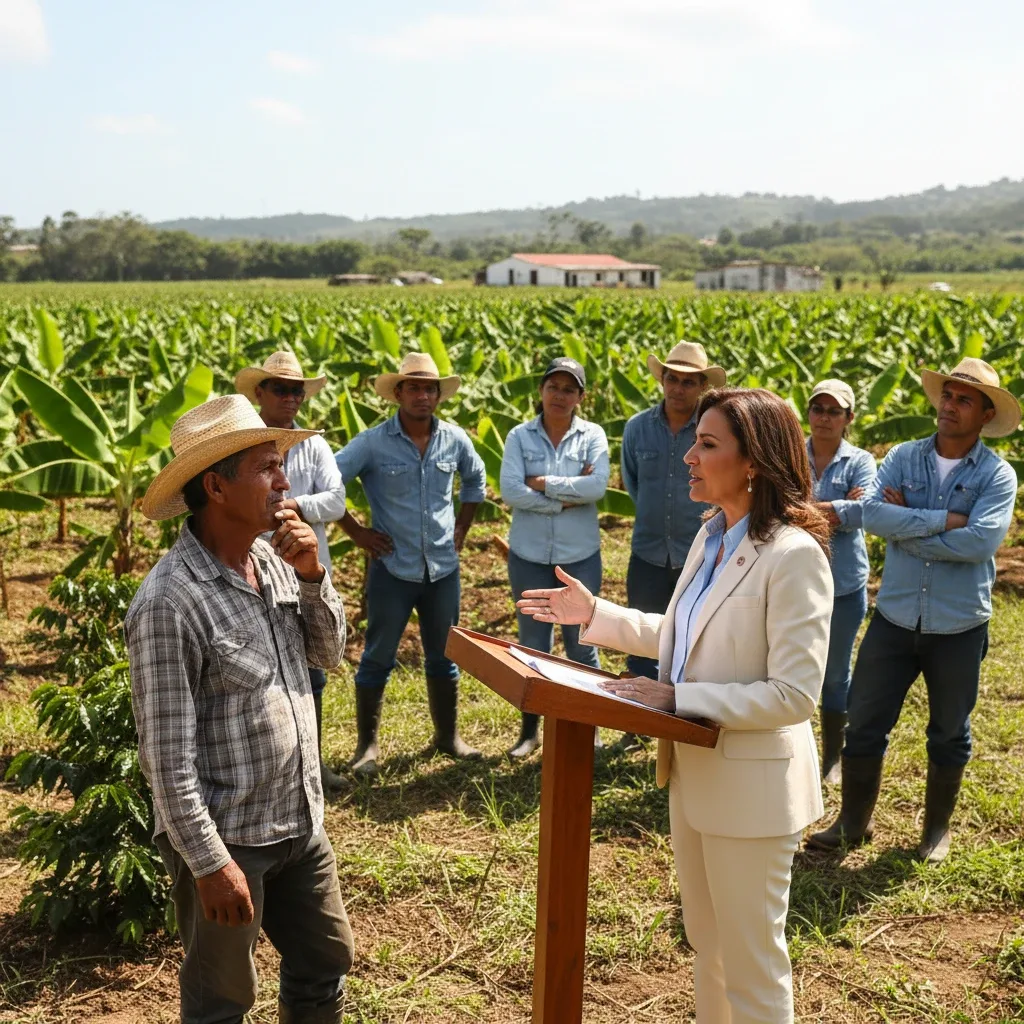
"This $63.1 million allocation is not just an expenditure; it is an investment in our future and our people's well-being," Governor González Colón stated on Wednesday. She emphasized that the incentives are designed to foster greater food independence and reduce reliance on imported goods, which often face price increases and supply chain disruptions.
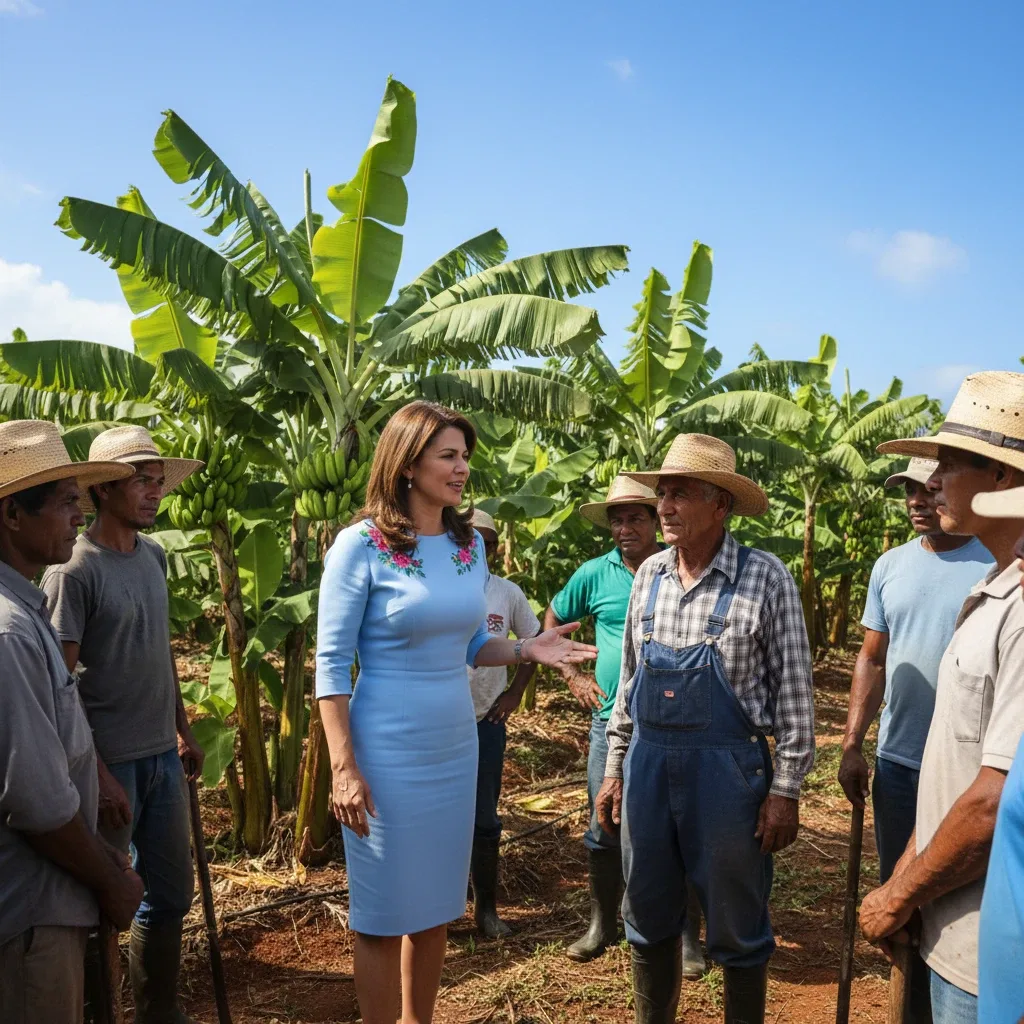
This sustained funding allows agricultural businesses to plan for the long term, encouraging expansion and innovation in local farming practices. The agricultural sector contributes significantly to regional economies, creating jobs and stimulating local markets. The administration highlighted several successful initiatives from the previous fiscal year that benefited directly from the increased funding.
Programs and Farmers Benefiting from Increased Investment
Details released by the Department of Agriculture outline the specific programs that will receive the lion's share of the $63.1 million budget. These include subsidies for small and medium-sized farms, grants for technological upgrades such as irrigation systems and sustainable farming equipment, and educational initiatives for new farmers. The incentives also cover crop insurance programs, a critical safety net for farmers susceptible to extreme weather events.
Approximately 80% of the funds are directly allocated to farmer assistance and production enhancement, with the remaining 20% dedicated to infrastructure improvements and research. Local farmer cooperatives have already seen increased yield and efficiency due to previous year’s support. This continued investment is expected to further boost these positive trends into the 2026-2027 fiscal period.
Historical Context of Agricultural Development Funds
Puerto Rico has historically faced challenges in developing a robust agricultural sector, with various economic and environmental factors hindering growth for decades. The current administration has made a concerted effort to reverse this trend, beginning with a substantial increase in agricultural funding last year. These historic investments represent a pivotal shift from previous policy approaches, which often prioritized other economic sectors over farming.
Prior to this recent focus, agricultural investments had seen fluctuations, often tied to political cycles and federal aid allocations. The consistent and substantial commitment in recent years marks a sustained strategic effort to build a resilient local food system. This move also aligns with broader international calls for enhanced food security in vulnerable island nations, as detailed by recent reports on agricultural resilience.
Economic Outlook and Future Sustainability
The maintenance of this significant agricultural budget signals a long-term vision for economic diversification and sustainability in Puerto Rico. Analysts from the island’s Department of Economic Development project that this consistent investment could lead to a 5-7% growth in the agricultural GDP over the next five years. Such growth would create an estimated 2,000 new jobs within the sector.
Furthermore, improved local production is expected to have a cascading effect on related industries, from food processing to retail and tourism. The Governor's office emphasized that future plans include expanding markets for Puerto Rican produce both domestically and internationally, positioning the island as a key player in specialized agricultural exports. The focus on sustainable practices aims to ensure the long-term viability of these efforts.
Frequently Asked Questions
What types of agricultural ventures are eligible for these incentives? The incentives cover a broad spectrum of agricultural activities, from traditional crop farming and livestock rearing to aquaculture and agro-tourism projects. Farmers involved in organic produce, specialty crops, and technological innovation in farming are particularly encouraged to apply, as the goal is to diversify and modernize the sector. More information on specific eligibility criteria can be found on the Department of Agriculture's official website.
How do these incentives address the challenge of food security in Puerto Rico? By providing direct financial aid and technical support, these incentives help local farmers increase their output and reduce reliance on imported foods. This strategy directly strengthens the island's food security by ensuring a more stable and resilient domestic food supply chain, reducing vulnerability to external market shocks and supply disruptions. The objective is to make the island more self-sufficient in essential food items over time.
Written by
Newstrix AI
Encanto News