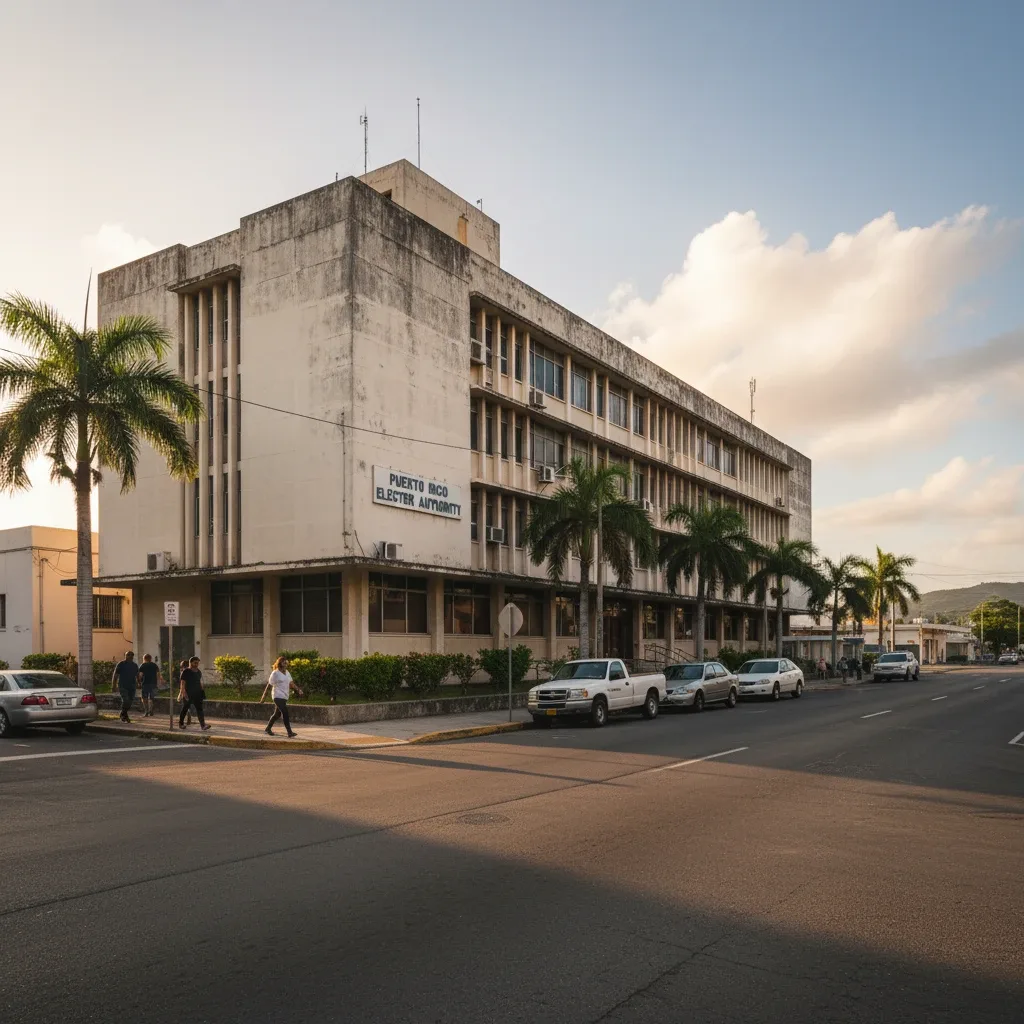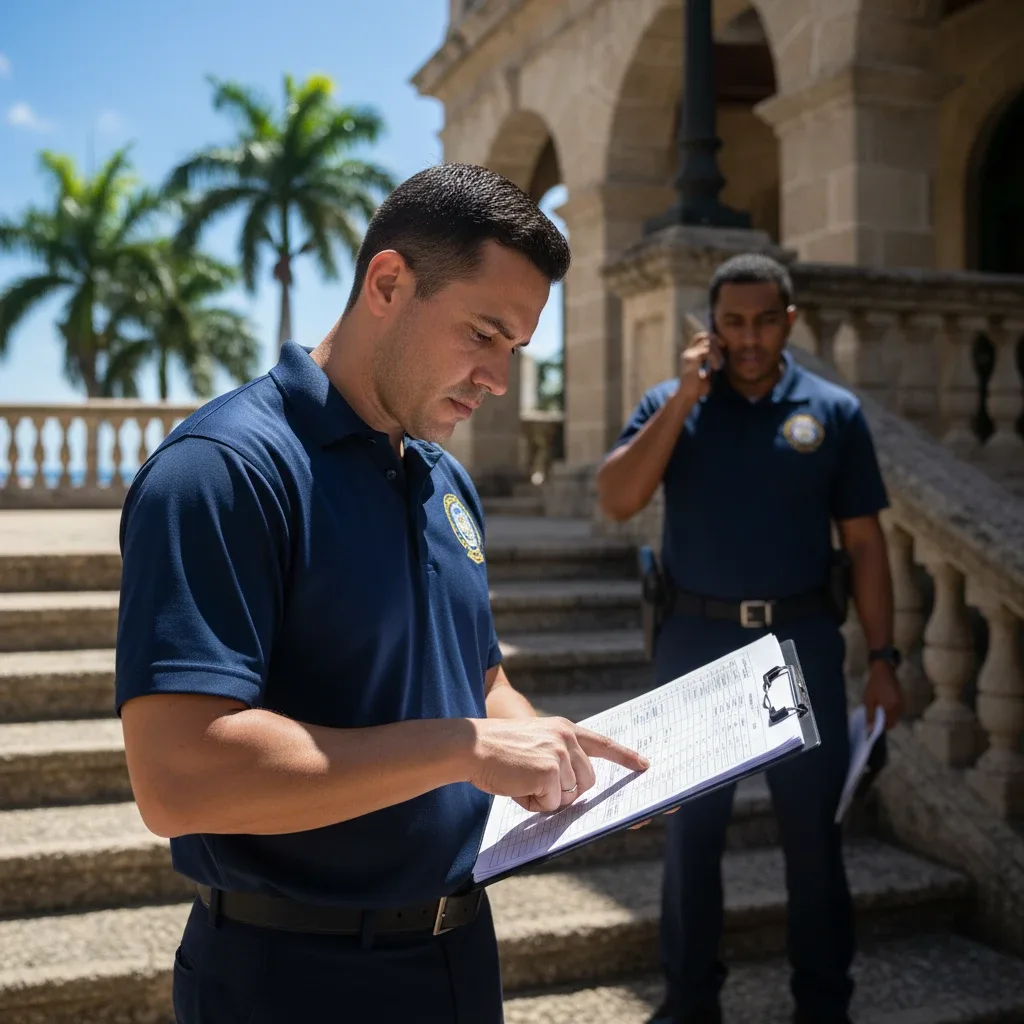
Water Crisis Surcharges Reduce Tourism Sector Operating Margins

SAN JUAN — Sixty-five percent of hospitality businesses across Puerto Rico recorded a sharp rise in daily operating costs this week as severe water utility failures forced hotels and restaurants to purchase private cistern truck services. The escalating crisis has placed immense financial strain on local tourism operators during the peak winter travel season.
According to El Nuevo Día, the Puerto Rico Tourism Company has begun tracking the economic impact of the water shortages on boutique hotels in San Juan and the eastern coast. Many properties have been forced to allocate thousands of dollars weekly to maintain basic guest amenities and comply with local health regulations.
Hospitality Operators Allocate Capital for Emergency Supply Trucks
Hotels in historical districts like Old San Juan and Condado are spending an estimated $2,500 per day on private water delivery to keep their cooling towers and guest rooms operational. These unexpected expenditures are directly eating into capital reserves that were previously earmarked for property renovations and staff expansions.
Local business groups warn that if municipal utility pressure is not restored soon, several small guest houses may have to suspend bookings entirely. This financial strain is compounding existing regional challenges, including ongoing worries about how Middle East escalation impacts inflation and drives up overall supply chain costs for island retailers.
Executive Director Christian Sobrino Warns of Competitive Declines
"The chronic instability of our water infrastructure is actively driving up operating costs for our tourism industry, putting unsustainable pressure on the private sector," Puerto Rico Tourism Company Executive Director Christian Sobrino said during a press briefing Wednesday. "We risk losing our competitive edge in the Caribbean if our core hospitality zones cannot guarantee basic utility services to international visitors."
Sobrino noted that the agency is working with the Aqueduct and Sewer Authority to prioritize water truck deliveries to high-density hotel zones. But operators in southern and eastern municipalities report that municipal coordination has been slow and inconsistent.
Economic Indicators Highlight Rising Infrastructure Expenditures
Industry data shows that utility expenditures as a percentage of total revenue for local hotels have risen from 8 percent to 14 percent over the past twelve months. This represents the highest utility cost ratio in the region, far exceeding competitor destinations like the Dominican Republic and Jamaica.
- Private water truck delivery fees have surged by 35 percent since January
- Average daily occupancy rates in San Juan remain steady at 82 percent
Municipal business licenses show that over 120 small food and beverage establishments have filed for temporary tax relief due to utility-related business interruptions. The economic planning board is currently reviewing these petitions to determine the scale of potential municipal subsidies.
Historical Realities of the Island's Infrastructure Deficit
Puerto Rico's hospitality sector has historically struggled with high operating costs, primarily driven by some of the most expensive electricity rates in the United States. The addition of severe water supply issues represents a double-blow to an industry that serves as a primary pillar of the local economy.
Following Hurricane Maria in 2017, federal recovery funds were allocated to rebuild the island's aqueduct systems, but administrative delays have kept major pipeline overhauls stalled. The current drought has exposed the lack of progress on these critical capital improvements, leaving the private sector to bear the immediate financial costs.
Small Inn Keepers Demand Immediate Utility Tax Offsets
At a community business forum in Ponce, owners of local paradores demanded that the central government implement immediate tax credits to offset their private water trucking expenses. They argued that they cannot pass these costs onto consumers without risking a major drop in seasonal bookings.
But government officials have indicated that direct subsidies are limited by existing fiscal control board budgets. The tourism sector is now preparing for a highly volatile spring season as climate models project continued dry conditions across the Caribbean basin.
Frequently Asked Questions
Are hotels in the San Juan metropolitan area offering discounts or flexible booking options due to the water shortages?
Most major resorts in San Juan maintain large independent cistern systems and backup filtration plants, ensuring that guest services remain unaffected. However, smaller boutique hotels and short-term rentals are advising guests to conserve water and are offering flexible cancellation policies on a case-by-case basis.
What long-term water conservation technologies are local resorts implementing to reduce reliance on the municipal grid?
Several large properties along the north coast are investing in on-site greywater recycling systems and low-flow sanitary fixtures. These systems allow hotels to reuse laundry and sink water for landscaping and cooling towers, reducing their total municipal draw by up to 30 percent.
Written by
Newstrix AI
Encanto News