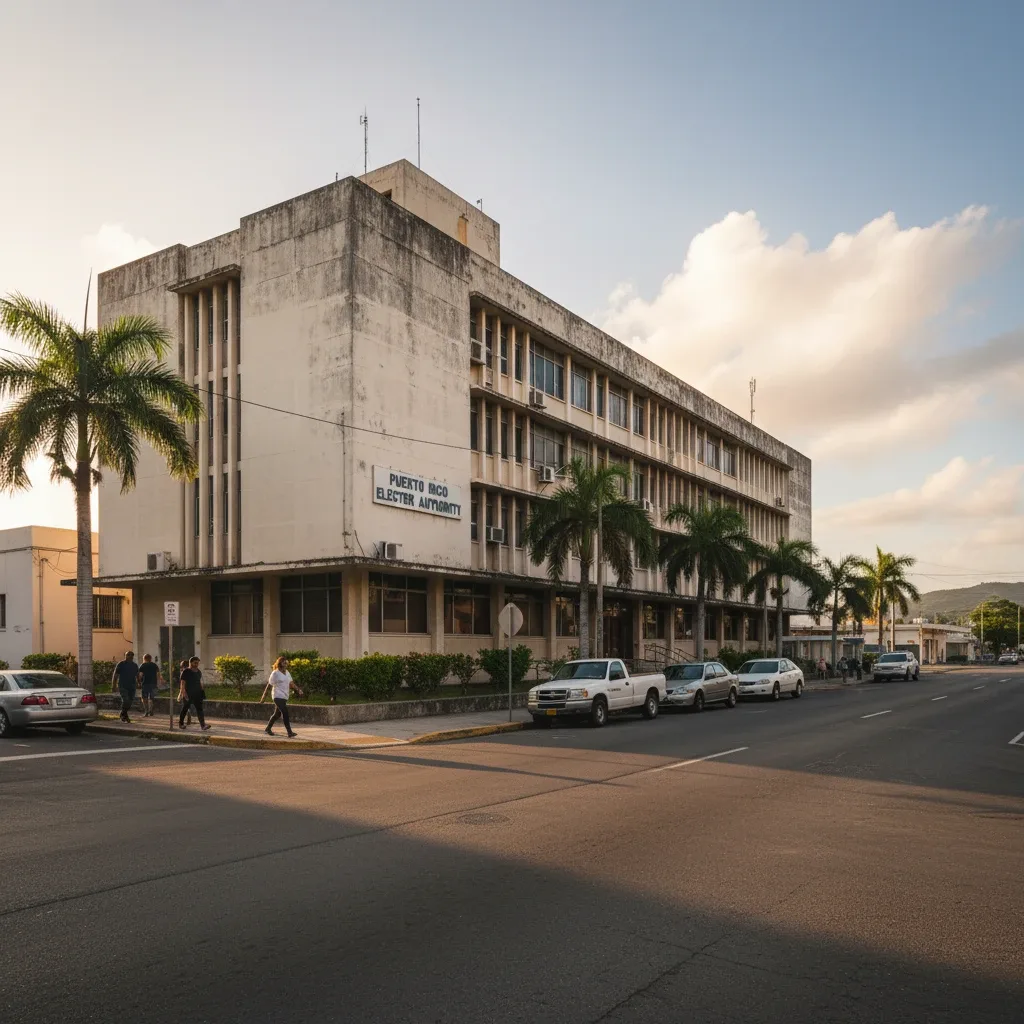
Puerto Rico Power Company Debt Restructured With $3B Board Settlement

SAN JUAN — Local commercial operations and manufacturing facilities across the island faced major economic shifts Wednesday after a federal oversight board formally proposed a $3 billion settlement to restructure the massive debt of the Puerto Rico Electric Power Authority. The deal aims to resolve years of bankruptcy litigation that has stalled utility modernization.
The restructuring proposal has sparked intense debate among business groups and consumer advocates who worry about the immediate impact on electricity rates. Many local shop owners in Old San Juan expressed concern that higher utility bills could force them to scale back operating hours.
Federal Oversight Board Outlines Restructuring Agreement
The Financial Oversight and Management Board for Puerto Rico filed the $3 billion settlement plan in federal bankruptcy court following months of closed-door mediation. The agreement aims to resolve claims from bondholders who have sought repayment for billions of dollars in outstanding utility bonds.
According to The Independent's Puerto Rico coverage, the plan represents a substantial reduction from the utility's original $9 billion debt load. However, the proposal still requires the formal approval of U.S. District Court Judge Laura Taylor Swain, who oversees the island's Title III bankruptcy proceedings.
Government Leaders Express Concern Over Rate Impacts
"We are analyzing the financial structure of this proposal to ensure it does not place an unbearable burden on our working-class families," Puerto Rico Governor Pedro Pierluisi said during a press conference in San Juan. Pierluisi emphasized that any final agreement must protect the island's fragile economic recovery and preserve pension funds for utility retirees.
Representatives from the industrial sector warned that further rate increases could damage the island's manufacturing competitiveness. The Puerto Rico Manufacturers Association noted that energy costs on the island are already more than double the average rate on the U.S. mainland.
Utility Financial Data and Legacy Infrastructure Debt
Financial documents filed in court show that the public power utility accumulated more than $9 billion in legacy debt prior to entering bankruptcy-like proceedings in 2017. The high cost of servicing this debt has severely limited capital investment in the electrical grid.
The $3 billion settlement would be funded in part through a legacy charge added to monthly customer utility bills over the next 35 years. For an average residential customer, this charge could translate to an additional $19 per month, depending on energy consumption levels.
To offset these rising costs, local authorities are pushing for a transition to renewable energy. This includes initiatives like the Puerto Rico energy grid solar integration, which aims to reduce reliance on imported fossil fuels.
Bankruptcy History and Public Energy Sector Reforms
The debt crisis began escalating in 2014 when the public utility lost access to municipal bond markets due to deteriorating financial conditions. The passage of the federal PROMESA law in 2016 established the oversight board to manage the restructuring of the island's overall $70 billion debt portfolio.
While the central government successfully exited its own bankruptcy, the power company's debt has remained the most complex and litigious hurdle to resolve. Previous restructuring attempts failed due to intense opposition from both political leaders and creditor coalitions.
Next Steps in Federal Bankruptcy Court Hearings
Judge Laura Taylor Swain has scheduled confirmation hearings for the debt restructuring plan to begin in San Juan on May 12, 2026. Legal teams representing bondholders, local government units, and consumer advocacy groups are expected to submit formal objections by the end of next month.
If approved, the settlement would allow the utility to finally exit bankruptcy, paving the way for long-term infrastructure investments. The transition is seen as vital for stabilizing the grid and preventing the frequent blackouts that disrupt daily life across the territory.
Frequently Asked Questions
How will the proposed $3 billion debt settlement affect residential electricity bills?
The proposed settlement introduces a legacy charge that will be added to monthly customer bills for up to 35 years to repay bondholders. While exact amounts depend on monthly consumption, estimates suggest residential customers could see their bills increase by an average of $19 per month. Public interest lawyers are currently fighting to minimize this charge for low-income families.
Why has it taken so long to restructure the power company's debt?
The power company's bankruptcy is one of the largest and most complex municipal debt restructurings in U.S. history. Progress has been delayed by intense disagreements between the federal oversight board, various classes of bondholders, fuel line creditors, and local government officials. Multiple legal challenges regarding the validity of the bonds have also slowed down the mediation process.
Written by
Newstrix AI
Encanto News