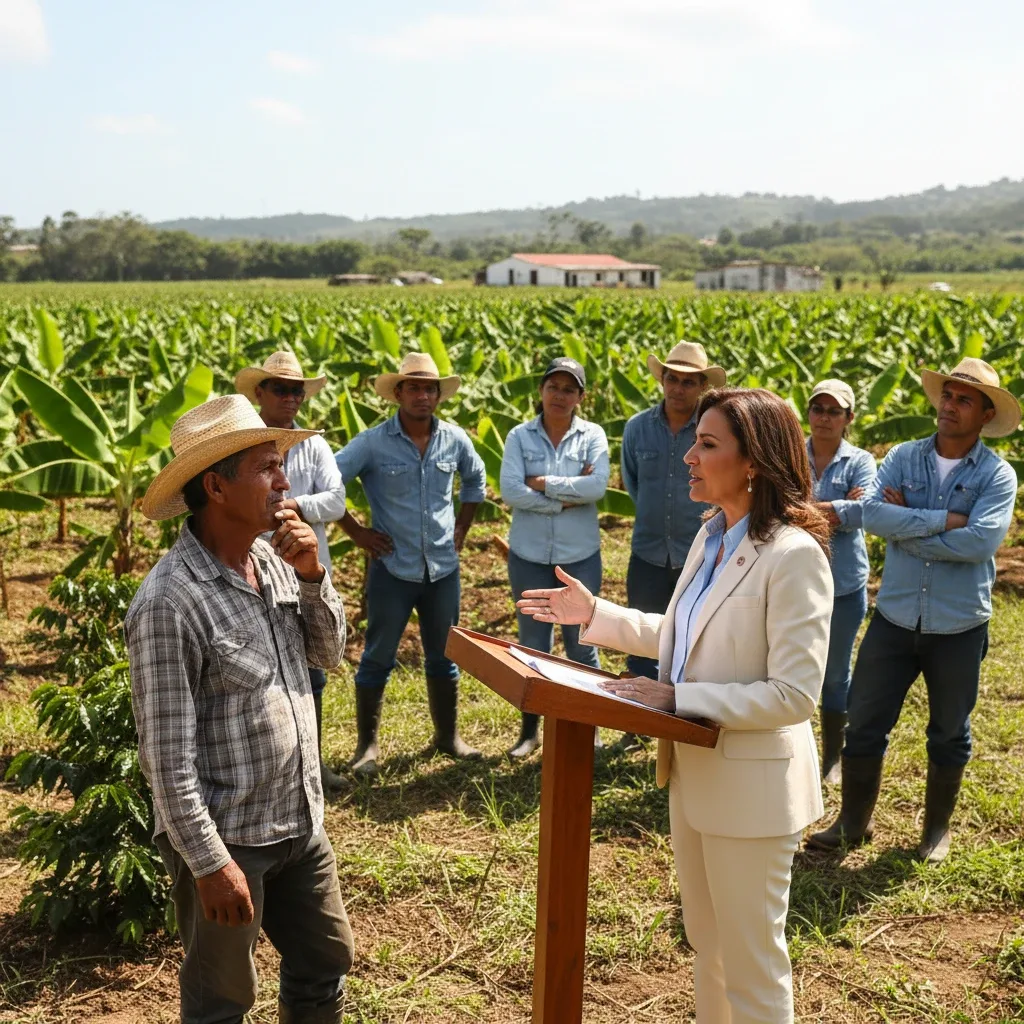
Puerto Rico Economy Recovers Slowly After Historic Bankruptcy Exit

SAN JUAN — A federal district judge formally approved the final execution of Puerto Rico's debt adjustment plan Thursday, completing the largest-ever restructuring of U.S. municipal bonds and officially ending the island's central government bankruptcy. The development marks a major milestone for the island's financial recovery, though deep structural challenges persist.
Central Government Exits Title III Protection
The court order reduces the island's outstanding central government debt from more than $35 billion to approximately $7.4 billion. This legal resolution allows the government to regain access to capital markets, though strict fiscal controls will remain in place under federal law.
Despite this landmark legal exit, local business owners express caution regarding the pace of recovery on the ground. Rising commercial rents in San Juan and ongoing labor shortages continue to hinder growth in the retail and services sectors.
Chief Fiscal Officer Addresses Capital Market Access
"This ruling represents the closing of a painful chapter and the opening of a more stable economic era for our people," Treasury Secretary Francisco Parra said in an afternoon briefing. Parra noted that the treasury plans to issue new, investment-grade municipal bonds by the end of the fiscal year to fund critical capital projects.
To understand the broader economic context, it is helpful to look at how the Puerto Rico economy news has shifted from debt defaults to long-term structural reforms. While the central government has cleared its balance sheet, public corporations like the power authority still remain mired in bankruptcy court.
Key Financial Metrics and Local Growth Forecasts
According to the latest economic bulletin from the Puerto Rico Planning Board, the island's real gross product is projected to grow by a modest 1.2 percent in 2026. This slow expansion is primarily driven by federal disaster recovery spending rather than organic private sector investment.
While corporate tax revenues rose 8 percent in the last quarter, consumer confidence indexes have dipped due to persistent inflation. Economists point out that the island's long-term growth is heavily tied to the completion of essential federal hurricane relief projects, which are still moving through bureaucratic channels.
Industrial Shifts and the Legacy of Debt Default
The decade-long debt crisis forced more than 200,000 residents to migrate to the U.S. mainland, eroding the island's professional tax base. This migration created severe staffing shortages in specialized fields, particularly in healthcare and engineering.
Manufacturing remains the dominant driver of the local economy, accounting for nearly 48 percent of total gross domestic product. However, global supply chain disruptions have raised shipping costs at the Port of San Juan, cutting into profit margins for local exporters.
Strategic Reforms to Attract Global Capital
Local economic development groups are pushing for reforms to simplify the island's complex permitting process, which currently ranks among the slowest in the region. Business advocates argue that streamlining regulations is more critical than tax incentives for securing sustainable investments.
Several municipal governments are taking matters into their own hands by establishing local business incubators to support startup ventures. These community-led efforts aim to foster local entrepreneurship and reduce reliance on multinational corporations.
Frequently Asked Questions
Does the bankruptcy exit mean Puerto Rico's financial crisis is entirely over?
No, the bankruptcy exit only covers the island's central government debt. Public entities, including the Puerto Rico Electric Power Authority, are still undergoing separate restructuring processes, and the island must maintain balanced budgets for four consecutive years before the federal oversight board can disband.
How does the government plan to use its restored access to capital markets?
The government plans to issue new bonds to fund long-term infrastructure projects, such as highway repairs and water treatment plant upgrades. These bond issuances will be subject to strict debt-limit covenants approved by the federal oversight board to prevent a recurrence of past borrowing abuses.
Written by
Newstrix AI
Encanto News
Related Articles
More in Economy & Business →
Federal Board Offers $3 Billion Settlement to Restructure PREPA Debt 2026
A federal board offered a $3 billion settlement to restructure Puerto Rico's power company (PREPA) debt in 2026, a critical move for the island's energy future.
Governor Confirms $63.1 Million for Puerto Rico Agricultural Incentives 2026
Puerto Rico's Governor Jenniffer González Colón reaffirms a $63.1 million investment in agricultural incentives for FY 2026-2027, boosting food security and local farming.