US Coast Guard Seizes $12 Million Cocaine Shipment Off Puerto Rico
SAN JUAN — Coast Guard Sector San Juan Commander Capt. Robert Diaz announced Thursday morning that maritime patrol units intercepted a smuggling vessel carrying cocaine valued at $12 million off the island's northern coast. The interdiction occurred during a joint patrol designed to disrupt major transnational smuggling routes that bypass southern island channels.
Maritime Security Intercepts Smuggling Operation in Northern Waters
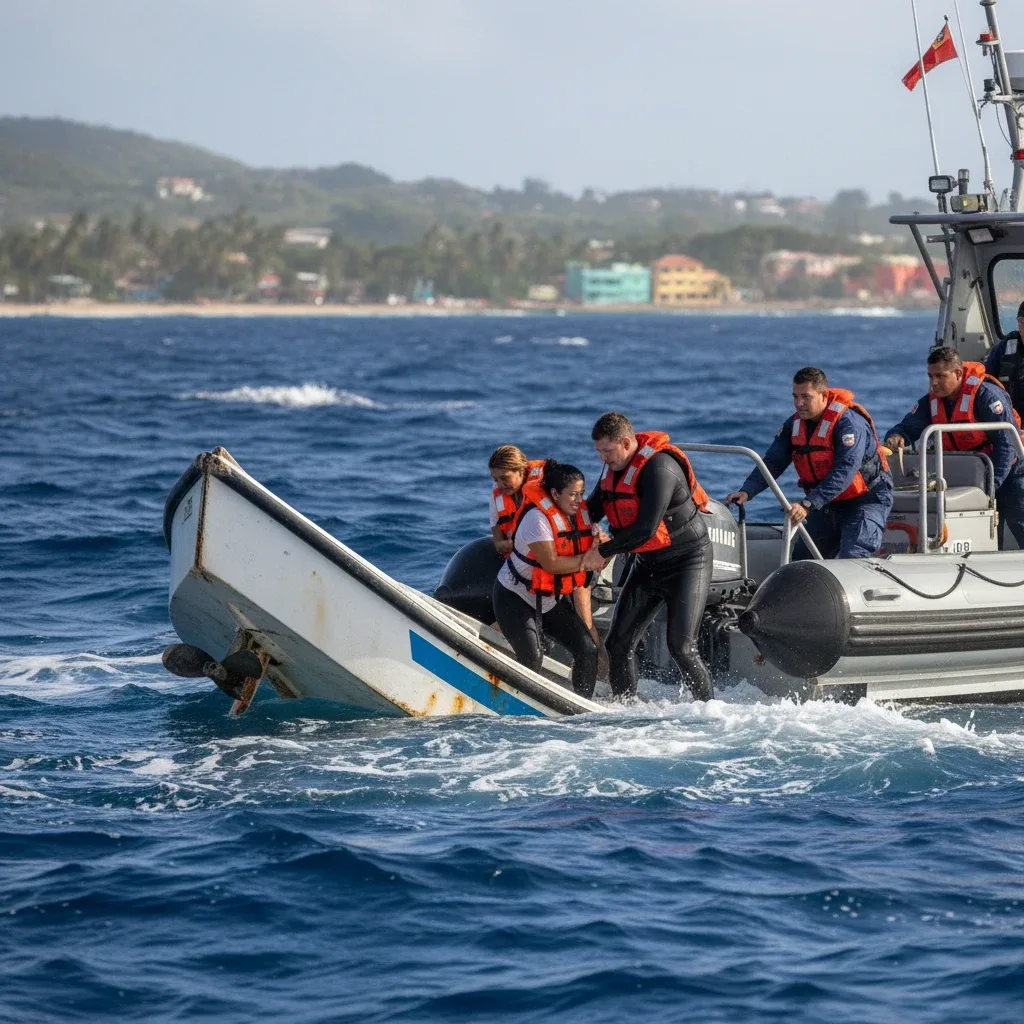
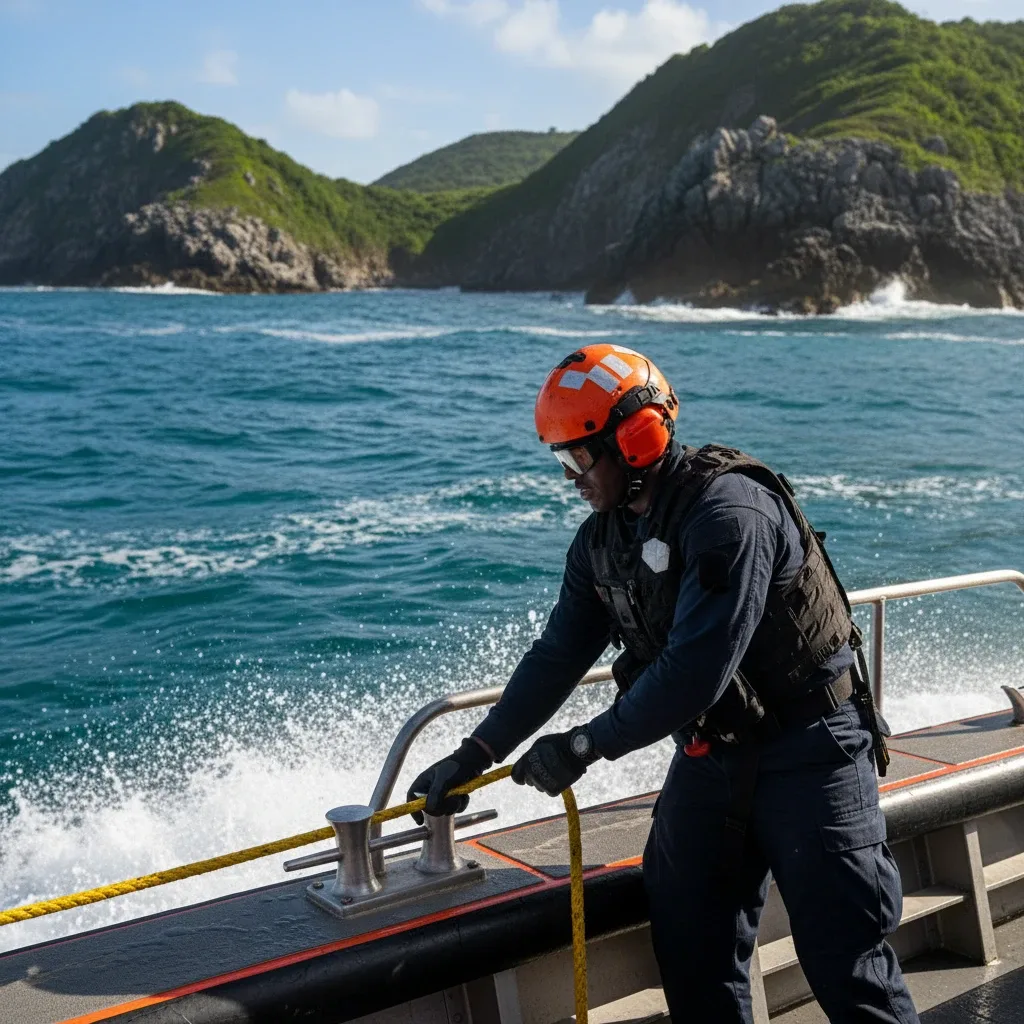
Federal agents spotted the low-profile vessel traveling without navigational lights early Wednesday morning. A Coast Guard cutter deployed twin tactical boats to intercept the target approximately 35 miles north of Arecibo.
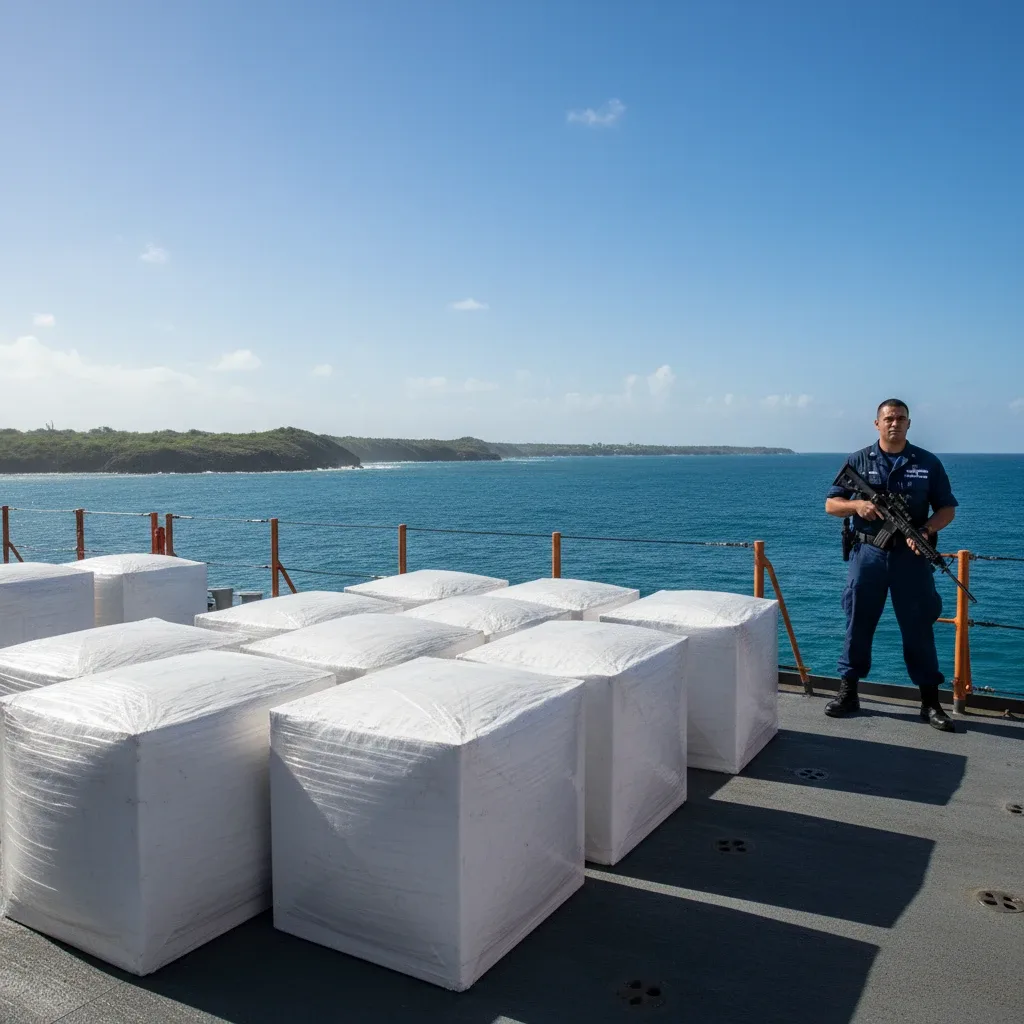
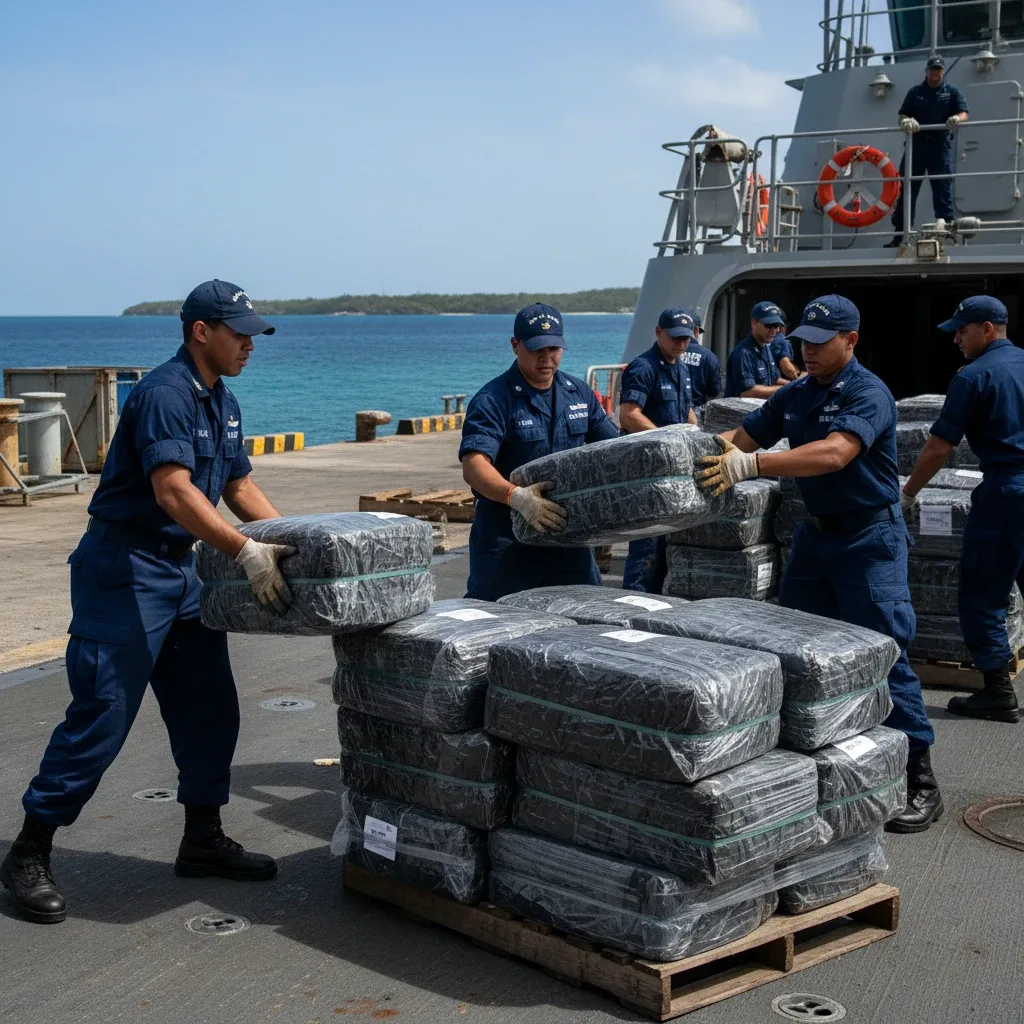
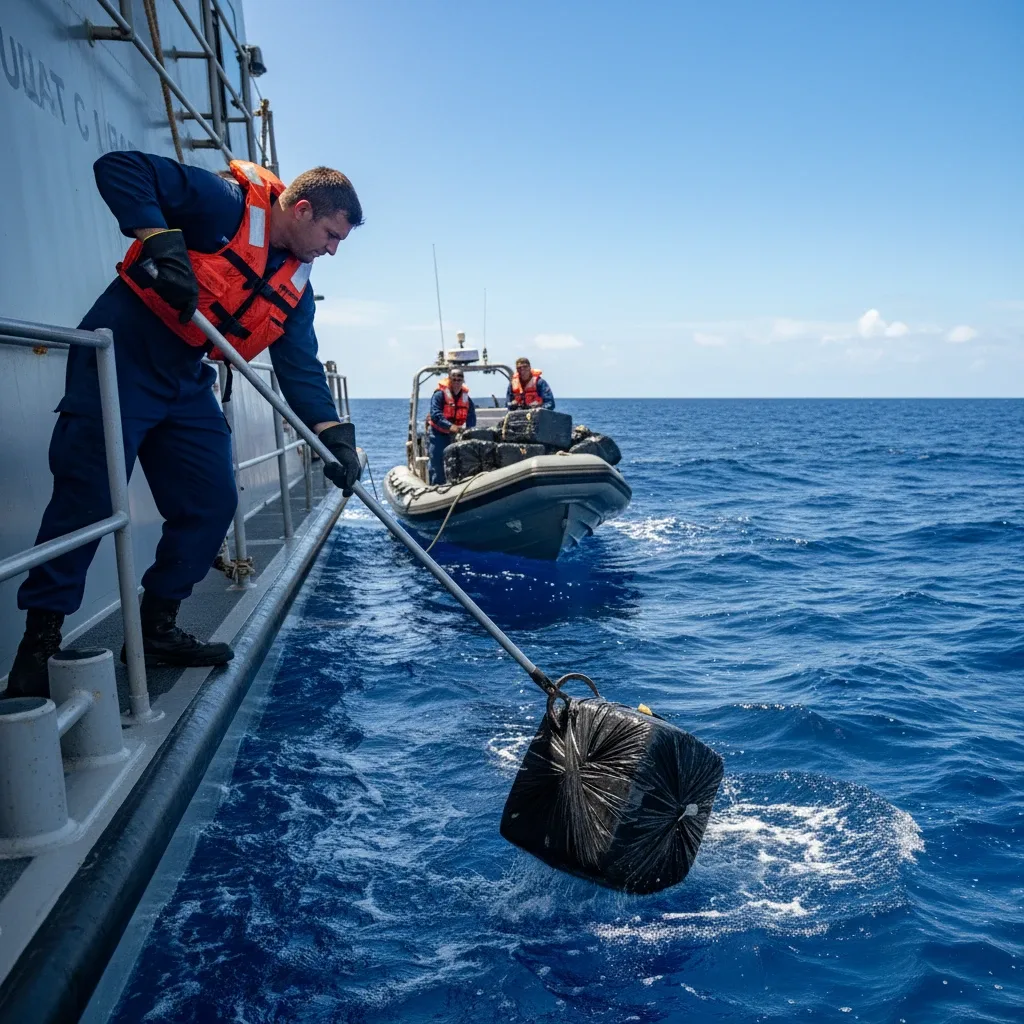
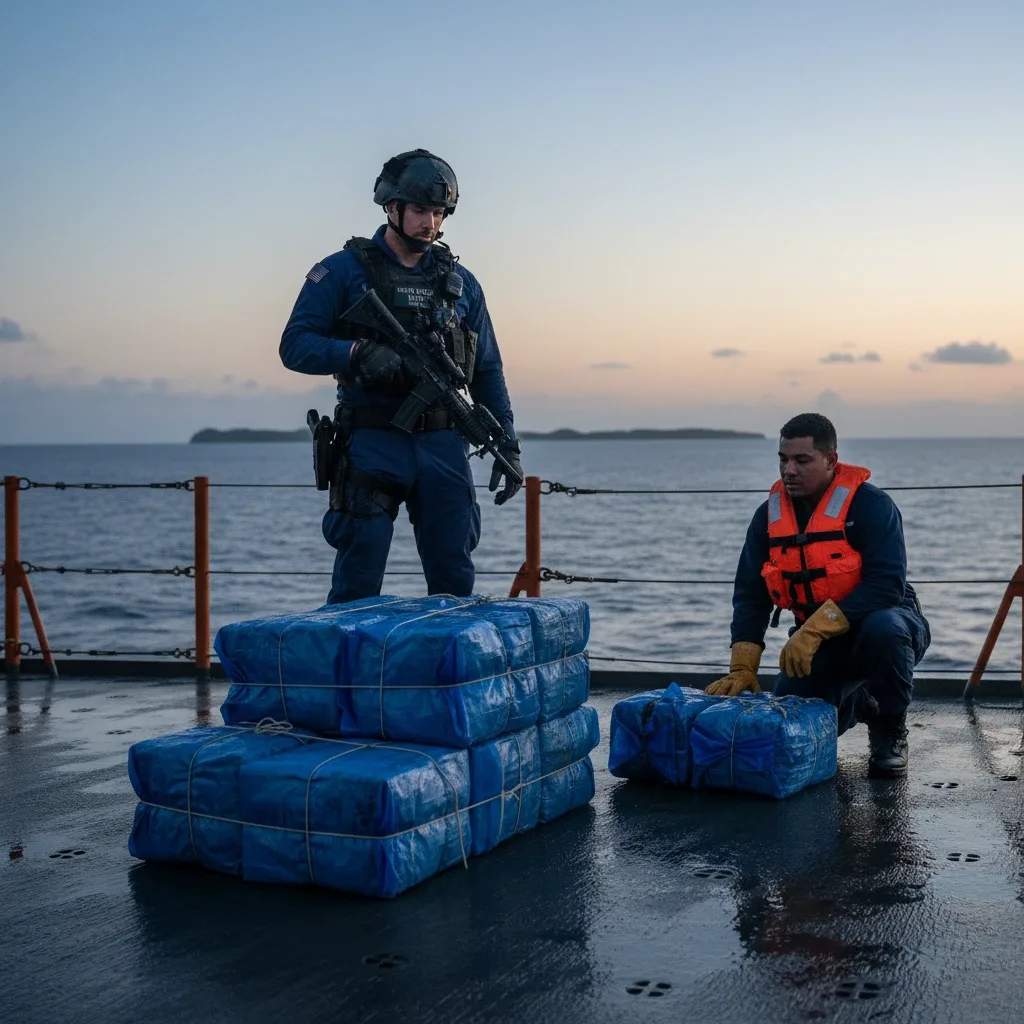
Crew members aboard the interceptor vessels observed the smuggling crew jettisoning heavy packages into the Atlantic Ocean. Tactical operators quickly consolidated control of the vessel and recovered 14 waterproof bales from the water.
According to CBS News Puerto Rico coverage, the recovered contraband tested positive for cocaine, yielding a total weight of approximately 410 kilograms. Maritime patrols have increased surveillance along the northern corridor due to shifting smuggling routes away from heavily monitored southern coastal points.
Commander Diaz Outlines Evolving Security Measures in San Juan Briefing
"This successful interdiction highlights our tight coordination with local and federal partners to deny drug trafficking organizations a foothold in our northern waters," Sector San Juan Commander Capt. Robert Diaz said during a Thursday press briefing. Diaz noted that maritime operations require constant technological adaptation to track unlit vessels during night patrols.
Federal prosecutors in San Juan are preparing formal charges against three suspects detained during the high-seas boarding. The detainees, whose nationalities have not been released, remain in federal custody at the Guaynabo Metropolitan Detention Center.
Northern Coastal Patrols Face Sophisticated Drug Trafficking Tactics
Smuggling groups increasingly utilize specialized go-fast vessels equipped with multiple outboard engines to outrun standard police interceptors. Drug enforcement data shows that the northern coast of Puerto Rico has seen a 22 percent increase in illicit maritime traffic over the past 12 months.
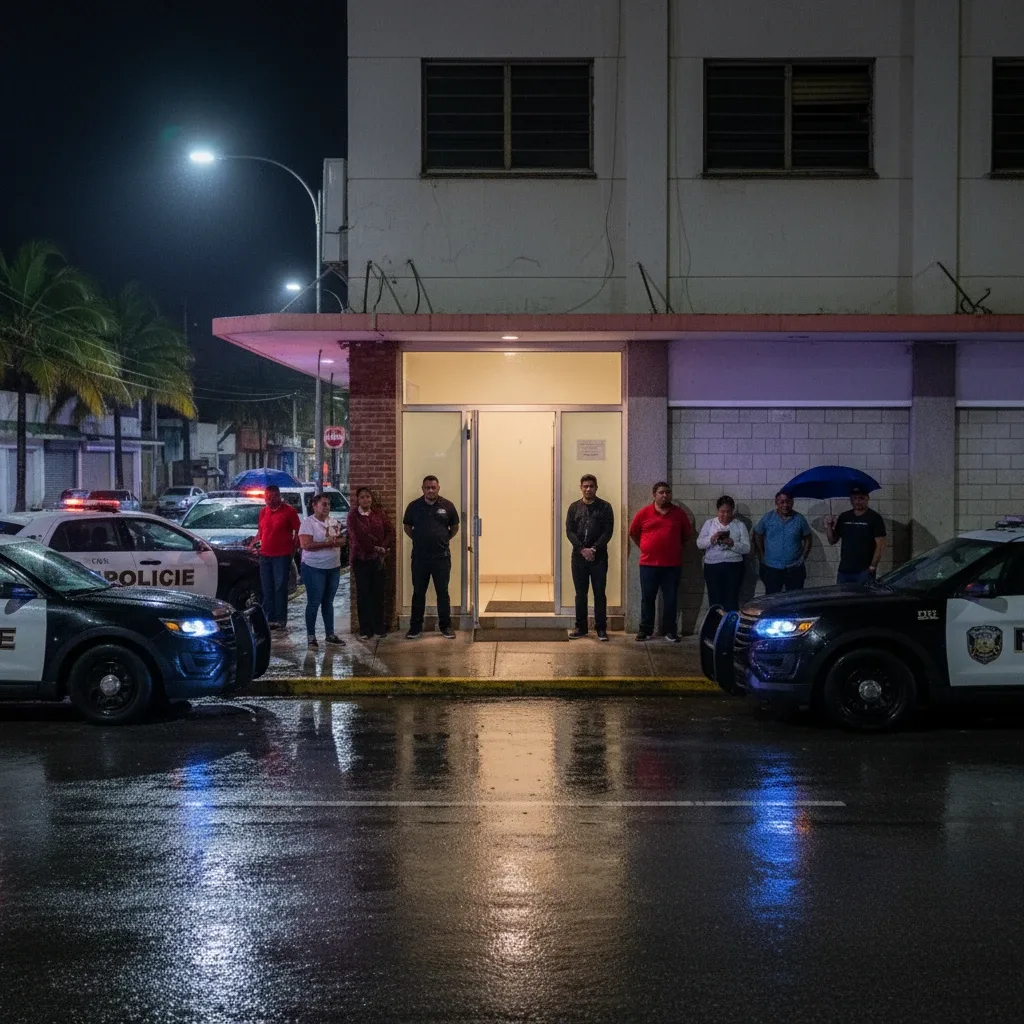
Local law enforcement agencies, including the Puerto Rico Police Joint Rapid Action Forces (FURA), are coordinating directly with federal agencies to share real-time radar data. This combined radar network allows crews to intercept vessels before they reach the shallow reefs near the Arecibo lighthouse, where suspect crews often attempt to run their boats aground.
Historical Maritime Interdictions Along the Atlantic Trench
The deep waters of the Atlantic Trench north of Puerto Rico have served as a historical transit point for maritime drug trafficking. Federal statistics show that maritime law enforcement seized over 15,000 kilograms of illicit substances in the Puerto Rico sector during similar operations.
Previous major operations near this deep-water corridor required the deployment of long-range helicopter units from Coast Guard Air Station Borinquen in Aguadilla. Those operations proved that early detection by aerial reconnaissance is critical to stopping fast-moving vessels before they enter domestic waters.
Border Security Impact on Island Communities and Local Ports
The influx of illicit shipments impacts coastal municipalities by introducing high-caliber firearms and cartel-funded operations into local neighborhoods. Community leaders in Arecibo have expressed concern that isolated boat ramps are increasingly targeted by local shore coordinates awaiting drug drops.
Federal authorities plan to maintain a heightened presence along the northern coastline to prevent retaliatory smuggling runs. Sector San Juan is scheduled to receive two additional fast-response cutters later this fiscal year to bolster local offshore defense capability.
Frequently Asked Questions
Where was the smuggling vessel intercepted by the Coast Guard?
The smuggling vessel was intercepted approximately 35 miles off the coast of Arecibo in the Atlantic Ocean. Sector San Juan officers confirmed the location is part of a shipping channel used by cargo ships and commercial traffic. Security units intercepted the vessel before it could reach the shallow reef systems along the northern coastline.
What happens to the drugs and suspects seized in federal waters?
The seized cocaine is transferred to a secure federal warehouse in San Juan to be documented and prepared for eventual destruction. The three detained crew members face federal smuggling charges under US maritime drug enforcement laws. They are held at the Guaynabo federal detention facility pending their initial court appearances in San Juan.
Written by
Newstrix AI
Encanto News