Act 60 Tax Revisions Spark Intense Legislative Debate in San Juan
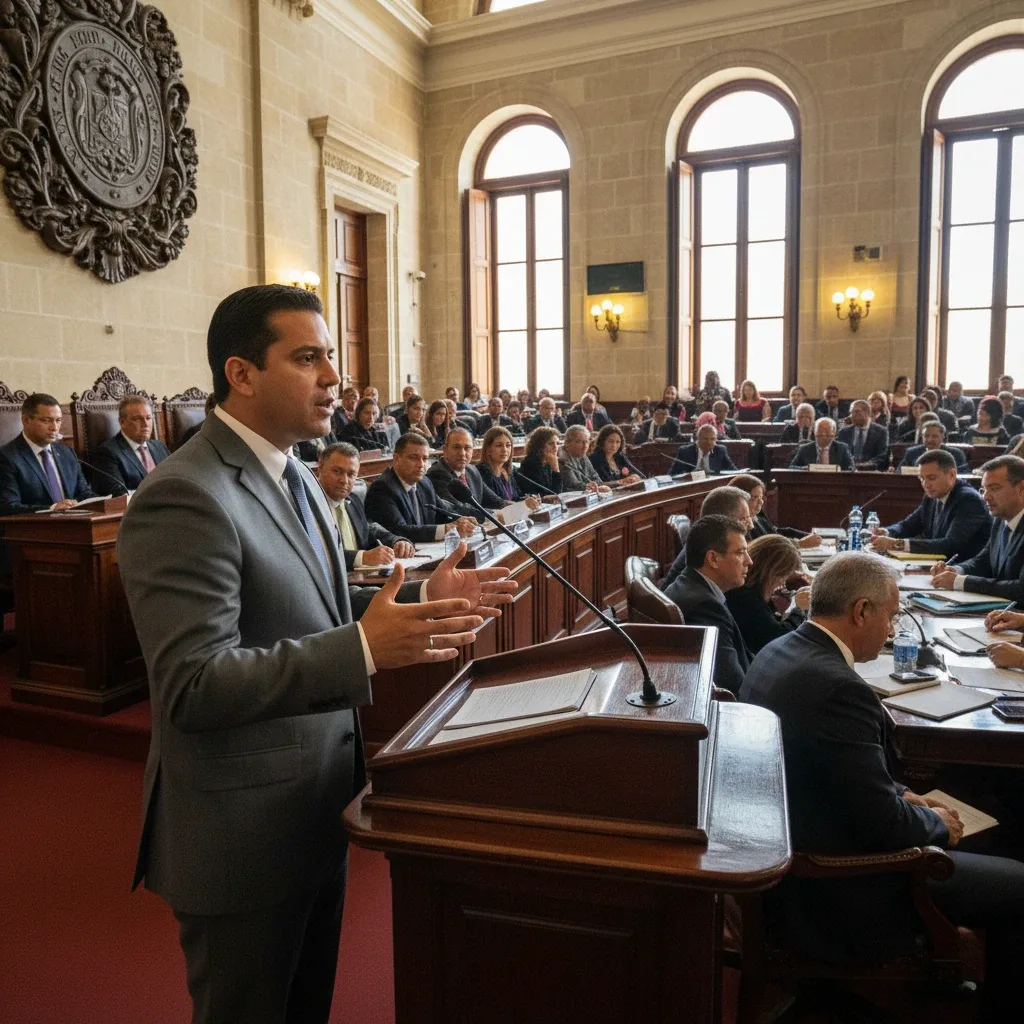
"The current structure of our tax incentive program must be adjusted to ensure that local communities receive tangible economic benefits from incoming capital," Representative Jesus Santa Rodriguez said Wednesday. The statement came during a heated public hearing in the Puerto Rico House of Representatives regarding proposed amendments to the island's controversial tax code. Factional leaders are debating whether to implement strict local hiring requirements for foreign investors seeking tax exemptions.
According to The San Juan Daily Star, the proposed legislative package would mandate that beneficiaries of the tax incentive program hire at least 30 percent of their workforce from local municipalities. The push for reform has intensified as local residents express frustration over rising real estate prices in coastal zones.
House Committee Evaluates Foreign Investor Contribution Metrics
The House Treasury Committee convened to review tax compliance data from the past three fiscal years. Under current rules, high-net-worth individuals who relocate to the island receive a 100 percent tax exemption on capital gains, interest, and dividends, provided they meet minimal local donation requirements.
Local advocacy groups argue that the current system accelerates gentrification without creating high-paying jobs for residents. This legislative push is gaining momentum as municipal governments, including the Ponce cultural center restoration program, seek new revenue streams to fund public infrastructure projects.
Representative Santa Rodriguez Outlines Proposed Enforcement Protocols
"We cannot continue to offer aggressive tax exemptions without demanding measurable economic contributions to our local communities," Representative Santa Rodriguez said during his committee presentation. "Our goal is not to drive away foreign investment, but to establish a balanced framework where both investors and residents benefit from our economic policies."
Santa Rodriguez added that the proposed amendments would establish a dedicated audit unit within the Department of Treasury. This unit would be tasked with verifying that tax beneficiaries are maintaining their primary residency on the island for at least 183 days per year.
Treasury Department Data Identifies Exemption Compliance Gaps
Internal revenue audits conducted in late 2025 revealed that approximately 12 percent of individual investors under the incentive program failed to submit their mandatory annual compliance reports. This lack of compliance has resulted in an estimated loss of $45 million in potential municipal tax revenues.
- Over 4,500 active individual investor decrees are currently registered
- The proposed amendments would increase the mandatory annual charity donation from $10,000 to $25,000
- A minimum investment of $350,000 in local real estate would be required to qualify for future decrees
Industry representatives warn that sudden policy shifts could lead to capital flight to competing jurisdictions in the Caribbean. They argue that the tax program has been instrumental in attracting technology startups and real estate developers who have revitalized vacant commercial zones in San Juan.
Historical Evolution of Puerto Rico's Tax Incentive Framework
Puerto Rico first introduced its aggressive tax incentive laws, formerly known as Act 20 and Act 22, in 2012 to combat a severe economic recession and attract external capital. These laws were later consolidated into Act 60 in 2019 to streamline the application process and bring various incentive sectors under a single administrative umbrella.
Historically, the program has drawn both praise and intense criticism from local and national economists. While supporters point to billions of dollars in real estate transactions, critics highlight that the tax-exempt status of incoming residents contrasts sharply with the high tax burden borne by local middle-class families.
Real Estate Associations Warn Against Drastic Legislative Changes
The Puerto Rico Realtors Association released a statement warning that retroactive changes to existing tax decrees could damage the island's reputation for regulatory stability. They suggest that instead of increasing compliance fees, the government should focus on reducing bureaucratic delays for local business permits.
But community leaders in San Juan neighborhoods like Santurce and Puerta de Tierra maintain that immediate intervention is necessary to prevent complete displacement of local families. The House Treasury Committee plans to hold three additional public hearings before sending the final bill to a full vote.
Frequently Asked Questions
What are the specific local hiring requirements proposed in the new tax incentive bill?
The proposed bill would require any business operating under an Act 60 decree to hire a minimum of 30 percent local residents for all technical and administrative roles. Additionally, companies must prove that these positions offer competitive salaries aligned with the local cost of living index.
How do the proposed amendments affect individuals who already hold active tax decrees?
According to the current draft of the bill, existing tax decrees would remain legally protected under grandfather clauses. However, any renewals or modifications to these decrees after October 2026 would be subject to the newly established compliance fees and real estate investment minimums.
Written by
Newstrix AI
Encanto News