Federal Audit Confirms Puerto Rico Awaiting Billions in Hurricane Funds 2026
SAN JUAN — Billions of dollars in critical recovery funds are still awaiting disbursement to Puerto Rico nearly a decade after a deadly hurricane struck the territory, a federal audit revealed last week. This ongoing delay in aid distribution exacerbates the island's recovery efforts, impacting vital infrastructure projects and community rebuilding initiatives. The audit underscores persistent bureaucratic hurdles in the aftermath of natural disasters.
Unspent Billions and Lingering Recovery Delays
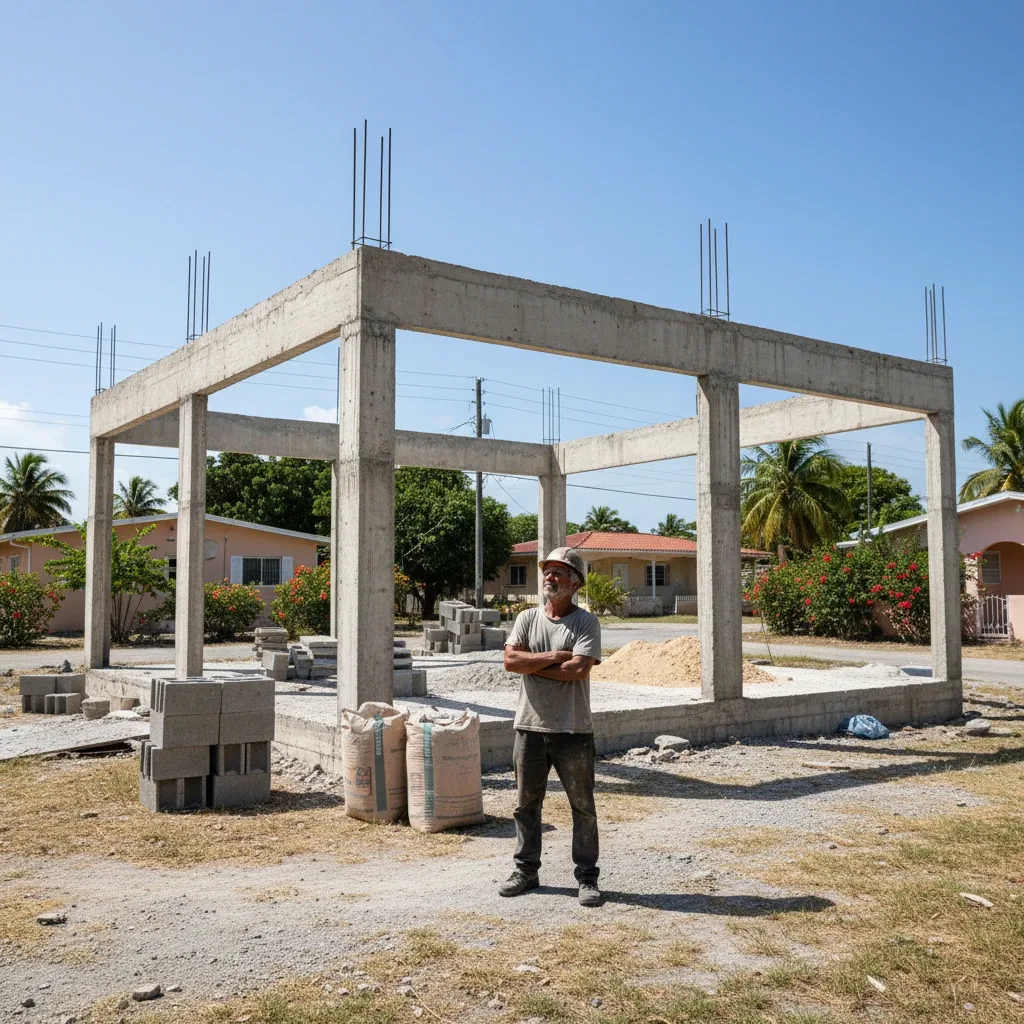
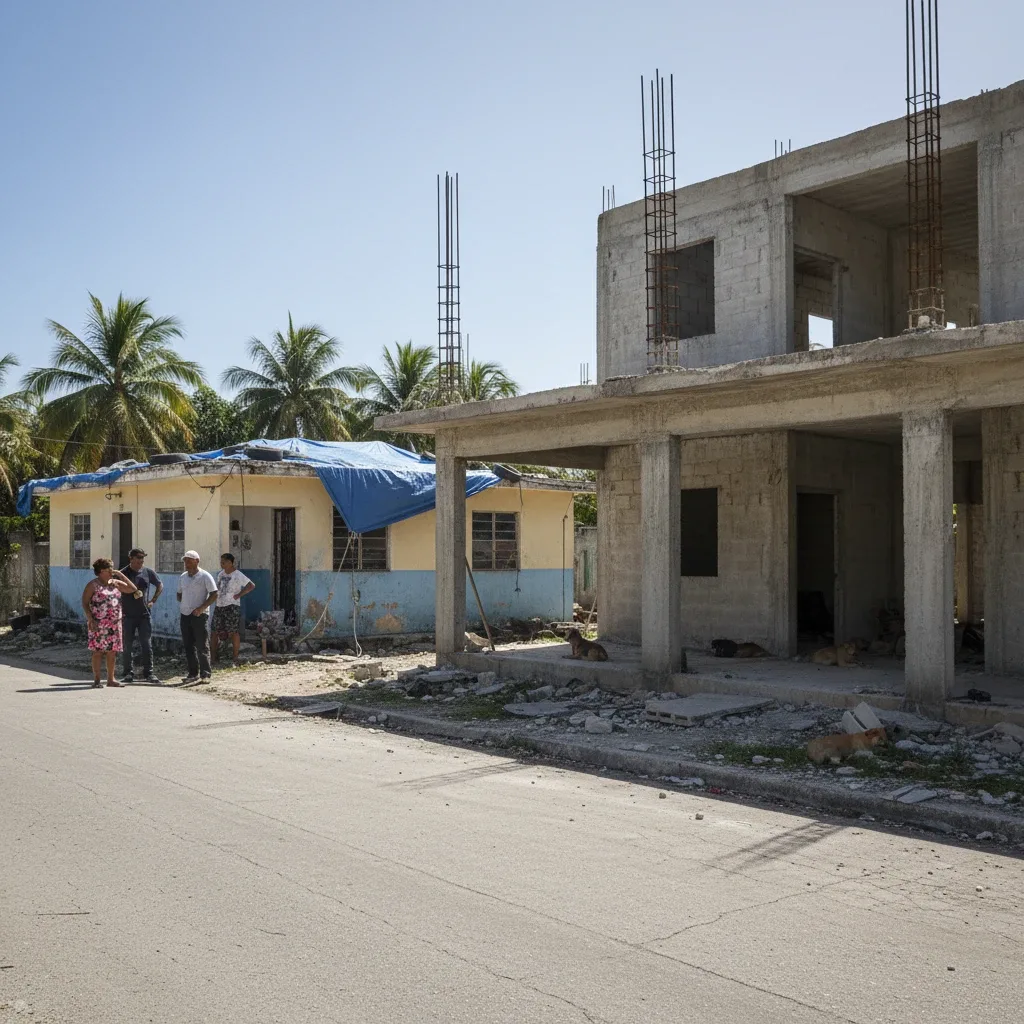
The federal audit, conducted by the Government Accountability Office (GAO), confirmed that a significant portion of the allocated funds remains unspent or bogged down in administrative processes. This backlog has directly hampered reconstruction efforts for homes, public buildings, and critical infrastructure damaged during Hurricane Maria in 2017. The Associated Press reported that the scale of unreleased funds is a major concern for federal and local officials.
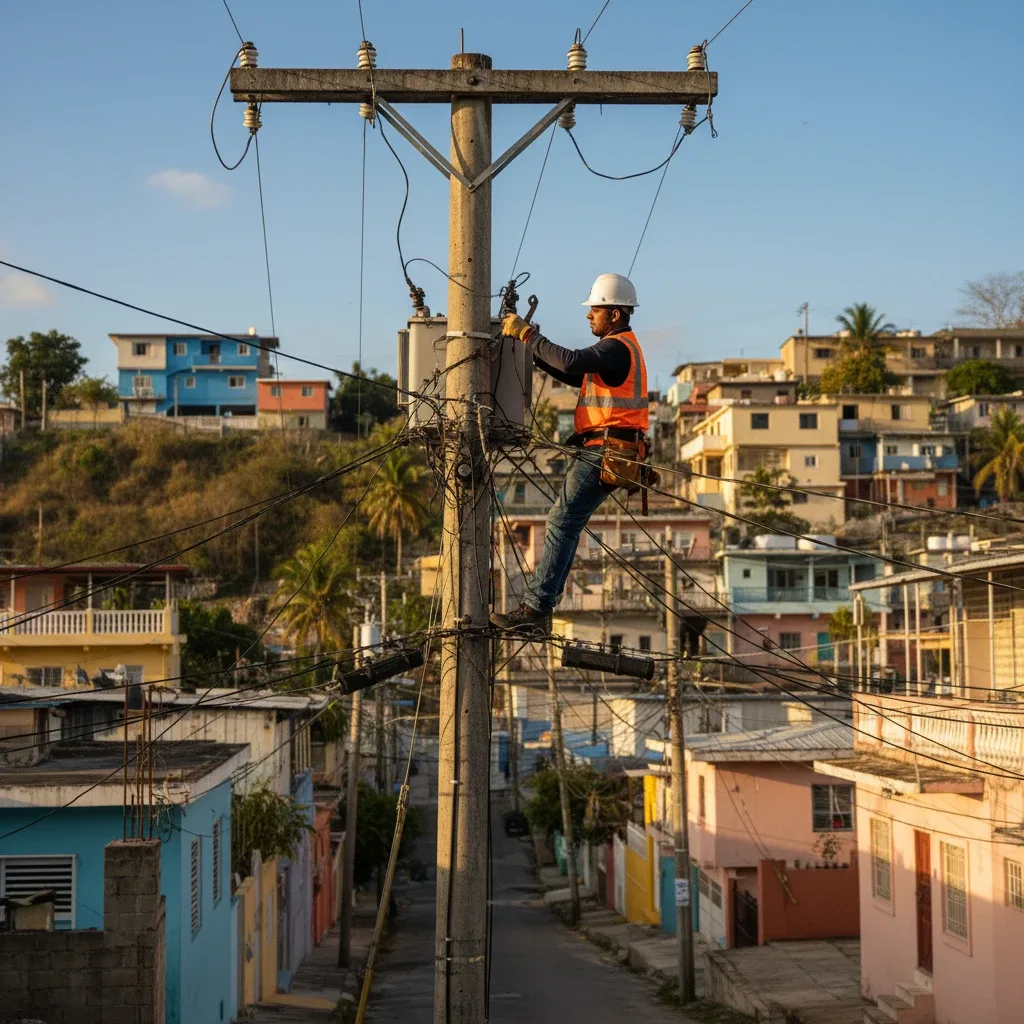
Community leaders have expressed frustration over the glacial pace of disbursement, arguing that the delays prolong suffering and hinder economic revitalization. Many proposed projects, including vital upgrades to the electrical grid and water systems, are stalled without these funds. The slow flow of aid has led to widespread public dissatisfaction and calls for greater accountability from federal agencies involved.
Community Impact from Delayed Hurricane Funds
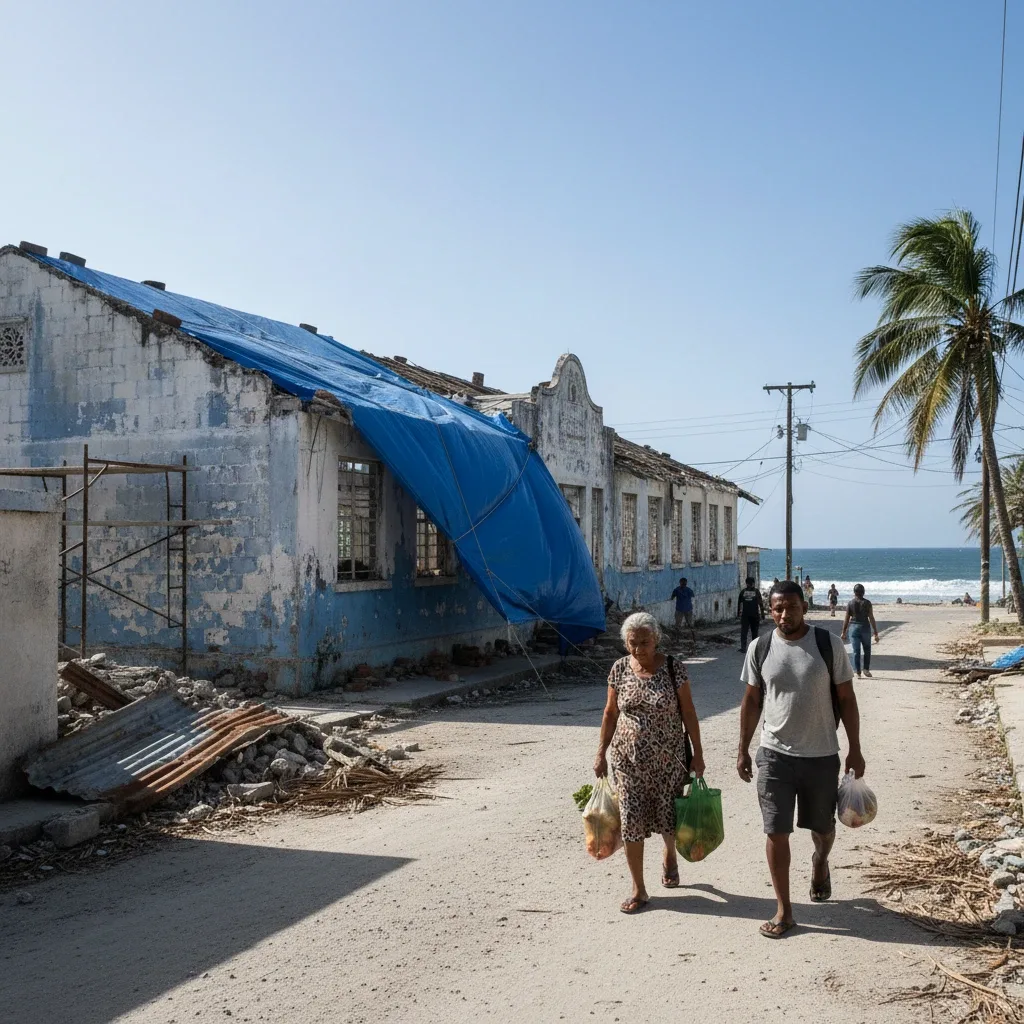
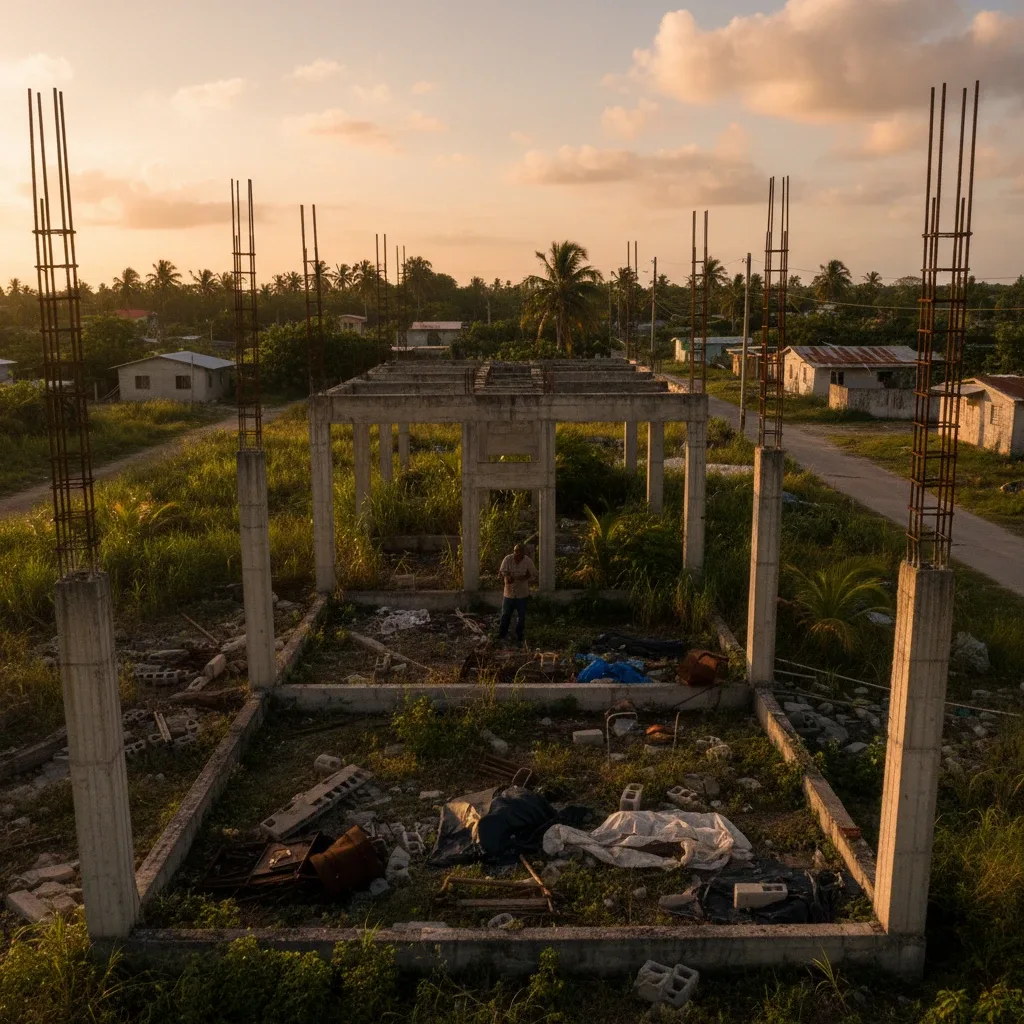
Residents across Puerto Rico continue to live with the aftermath of the hurricane, facing unstable housing conditions and unreliable public services. The delay in releasing Puerto Rico hurricane recovery funds means many communities have not fully rebuilt, impacting daily life and hindering long-term planning. The federal audit highlights the human cost of these bureaucratic delays, detailing how unmet needs persist in vulnerable populations.
Local non-profits and relief organizations have stepped in to fill some of the gaps, but their resources are limited compared to the scale of federal assistance promised. "Every day these funds are held up, it's another day our people struggle," said Carmen Delgado, director of a community rebuilding initiative in Loíza. Delgado added that the audit's findings are not surprising to those on the ground, who have witnessed the delays firsthand for years.
Persistent Bureaucratic Obstacles in Fund Distribution
The audit specifically identified complex federal regulations, a lack of clear communication between federal and local agencies, and insufficient staffing within relevant departments as primary impediments to fund disbursement. These systemic issues have created a bottleneck, preventing billions from reaching their intended beneficiaries. The Associated Press further detailed the labyrinthine approval processes that projects must navigate.
Moreover, the audit pointed to challenges in local capacity to manage and administer large-scale federal programs, citing a shortage of trained personnel and adequate administrative systems. This highlights a need for targeted technical assistance and capacity-building initiatives to ensure Puerto Rico can effectively utilize future aid. Addressing these issues is crucial to accelerating the reconstruction process.
Historical Context of Federal Aid for Puerto Rico
Puerto Rico has a long history of grappling with federal aid processes, particularly after natural disasters. Following previous hurricanes and earthquakes, similar delays and bureaucratic hurdles were observed, albeit on a smaller scale. The current situation with Puerto Rico hurricane recovery funds 2026 echoes these past challenges, demonstrating a need for fundamental reforms in disaster response protocols.
Critics argue that the federal government's response to Puerto Rico's needs has often been slower and less efficient compared to responses for mainland states. This disparity raises questions about equity in disaster relief and the effectiveness of current policies for U.S. territories. Efforts to streamline the process have been ongoing but have yet to yield satisfactory results on the ground.
Moving Forward: Recommendations for Accelerating Recovery
The federal audit issued several key recommendations aimed at expediting the release of funds and improving future disaster responses. These include simplifying application processes, enhancing inter-agency coordination, and providing additional technical assistance to Puerto Rico's government. The GAO urged immediate action to prevent further delays, noting that many outstanding projects are time-sensitive.
While the recommendations provide a roadmap, their implementation will require sustained commitment from both federal and local authorities. The oversight board has also been actively engaged in discussions regarding the island's financial recovery, including the Board's $3B settlement for power company debt. Ensuring transparency and accountability in fund utilization will be crucial to restoring public trust and accelerating the island's long-term recovery.
Frequently Asked Questions
Why are billions in hurricane recovery funds still delayed for Puerto Rico nearly a decade later? The federal audit attributes the delays to a combination of factors, including complex federal regulations, insufficient coordination between federal and local agencies, and a shortage of administrative capacity within Puerto Rico's government. These bureaucratic hurdles have created bottlenecks in the approval and disbursement process, preventing funds from reaching critical projects in a timely manner.
What types of projects are most affected by the delay in hurricane recovery funds? The delayed funds are primarily impacting essential infrastructure projects such as the rebuilding and modernization of the electrical grid, repairs to damaged water and sewage systems, reconstruction of public schools and hospitals, and the repair or replacement of thousands of homes. Without these funds, many communities cannot fully recover or implement necessary resiliency measures against future natural disasters.
Written by
Newstrix AI
Encanto News