Federal Audit Confirms Puerto Rico Awaits Billions in Hurricane Funds
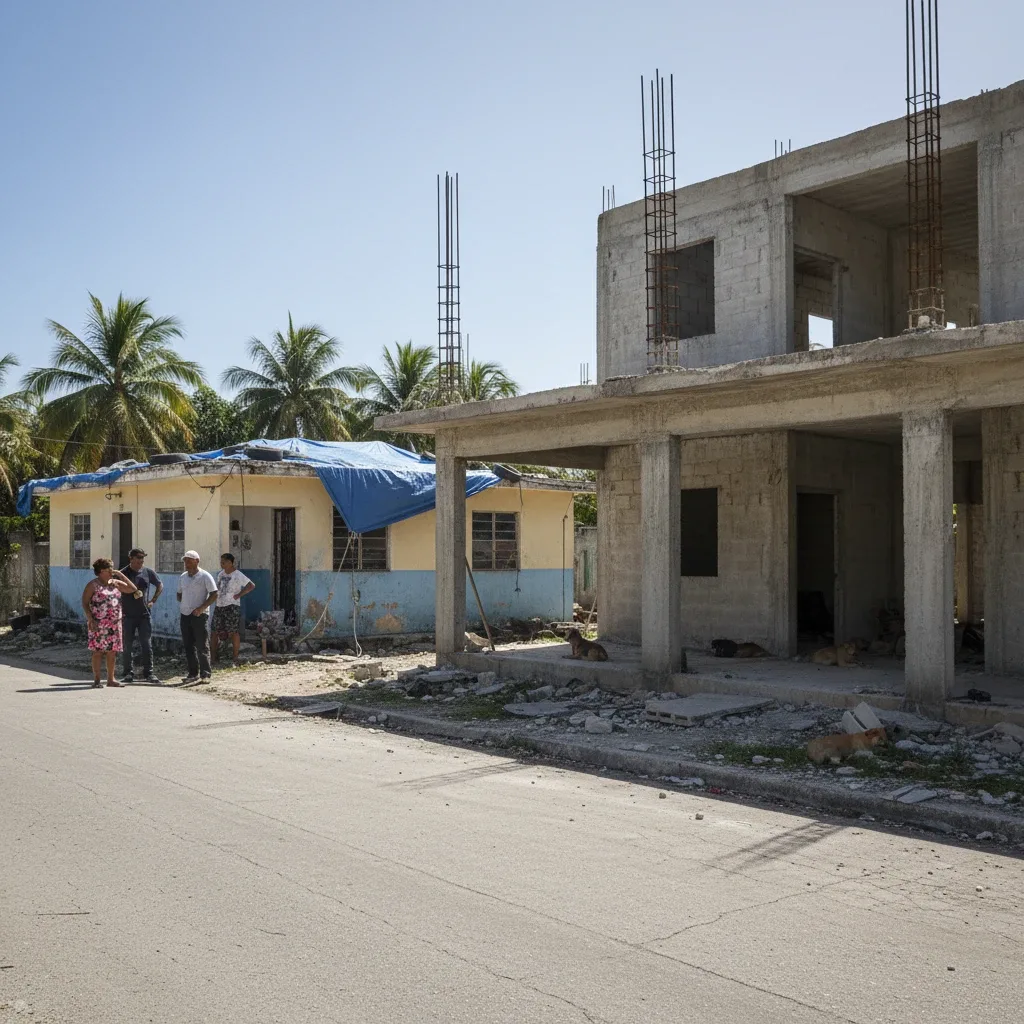
WASHINGTON D.C. — Lawmakers released a federal audit Tuesday revealing that Puerto Rico is still awaiting billions of dollars in hurricane recovery funding, nearly a decade after a deadly storm struck the territory, according to AP News. The report underscores persistent bureaucratic delays hindering crucial rebuilding efforts on the island.
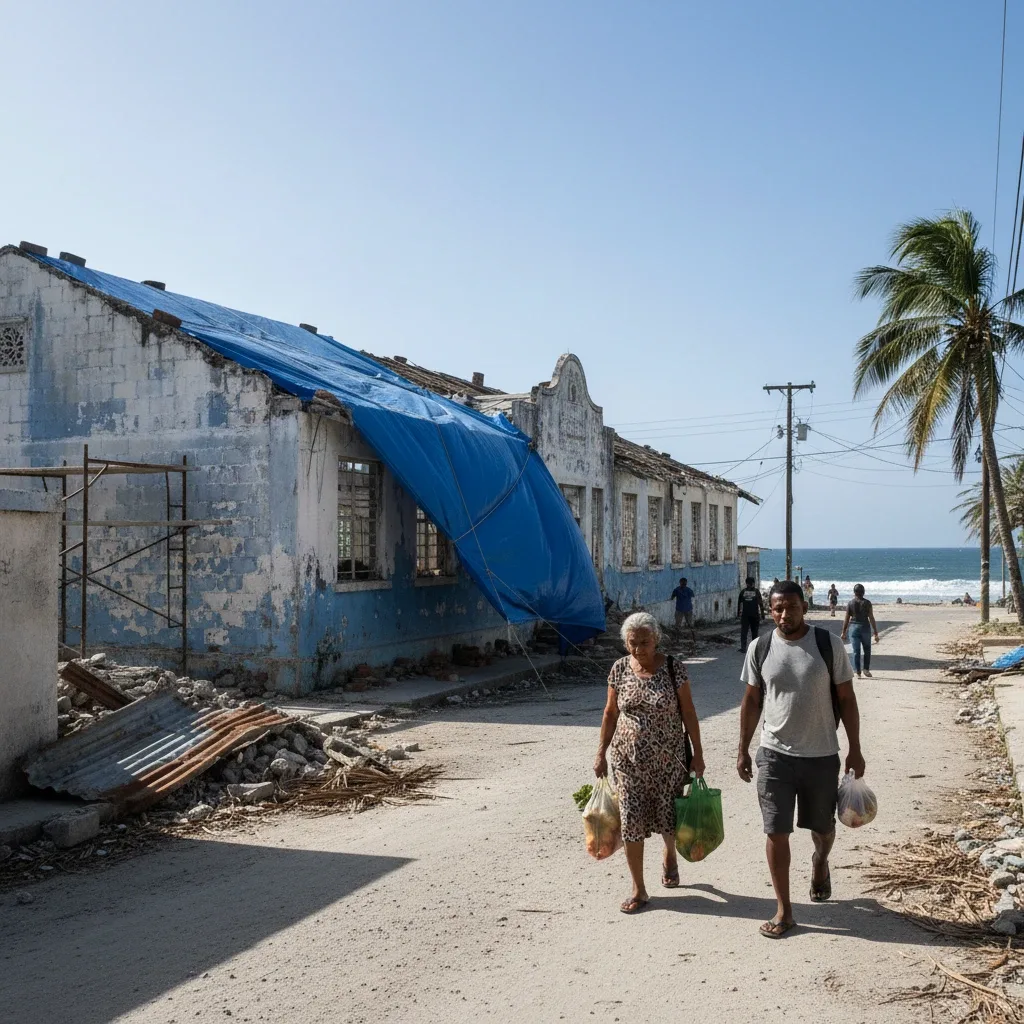
The findings highlight a critical gap between allocated funds and actual disbursement, impeding recovery and development projects. This situation has prolonged the challenges faced by many Puerto Rican communities.
Unspent Hurricane Recovery Funds Exceed Billions
The federal audit, conducted by the Government Accountability Office (GAO), indicates that an estimated $10 billion in authorized disaster relief funds for Puerto Rico remain undistributed. This includes allocations for housing, infrastructure, and economic revitalization projects, nearly ten years post-disaster.
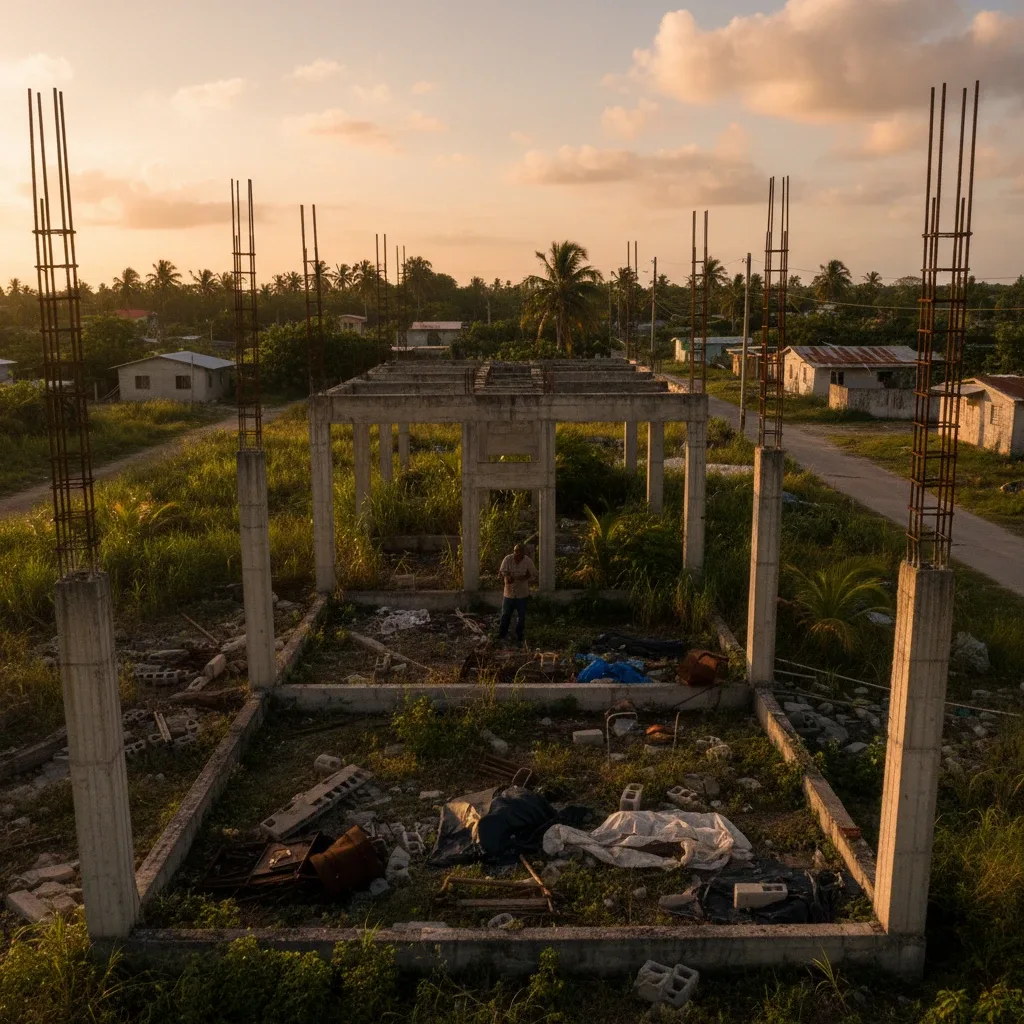
Specific findings show that over 40% of the funds earmarked for long-term reconstruction have not reached the island. This delay affects thousands of proposed projects. Such delays have been a consistent theme in Puerto Rico government reports regarding disaster recovery efforts.
Congressional Concern Over Disbursement Slowdown
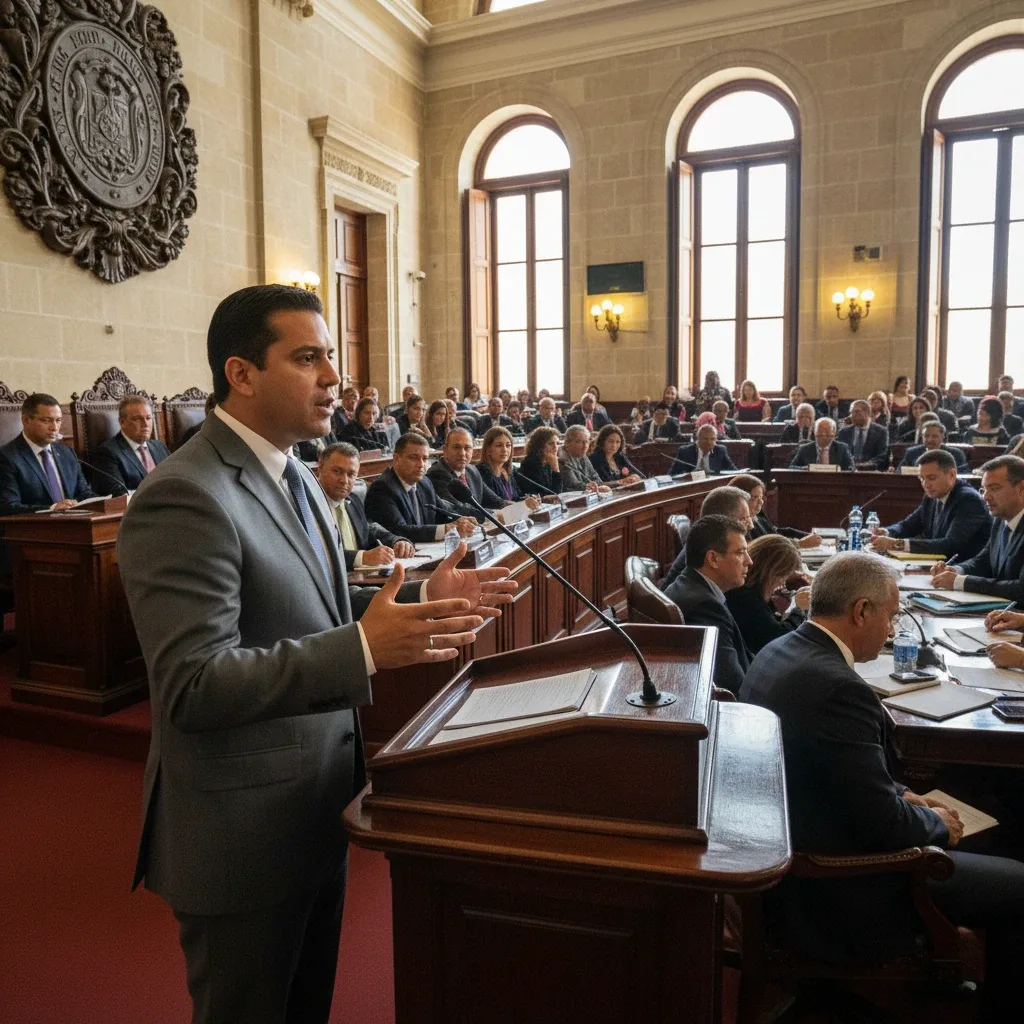
Congressional representatives expressed significant concern over the audit's findings during a press briefing on Capitol Hill. Senator Maria Rodriguez (D-NY) criticized the slow pace of fund allocation, emphasizing the ongoing hardship faced by Puerto Rican citizens.
"It is unacceptable that communities in Puerto Rico are still waiting for critical recovery funds almost a decade later," Senator Rodriguez said Tuesday. "These delays are not just bureaucratic; they are a failure to our fellow citizens and demand immediate action."
Bureaucratic Hurdles and Administrative Challenges
The GAO report identifies several factors contributing to the disbursement slowdown, including complex federal regulations, stringent compliance requirements, and administrative capacity issues within both federal and local agencies. These hurdles create bottlenecks in the funding pipeline.
Officials from the Federal Emergency Management Agency (FEMA) attributed some delays to the need for meticulous oversight to prevent fraud and ensure fiscal accountability. However, critics argue that these processes are overly burdensome and inefficient. The island's economic stability has been a topic of much discussion, including Puerto Rico's Act 60 tax revisions which also affect funding.
Impact on Puerto Rico's Long-Term Recovery
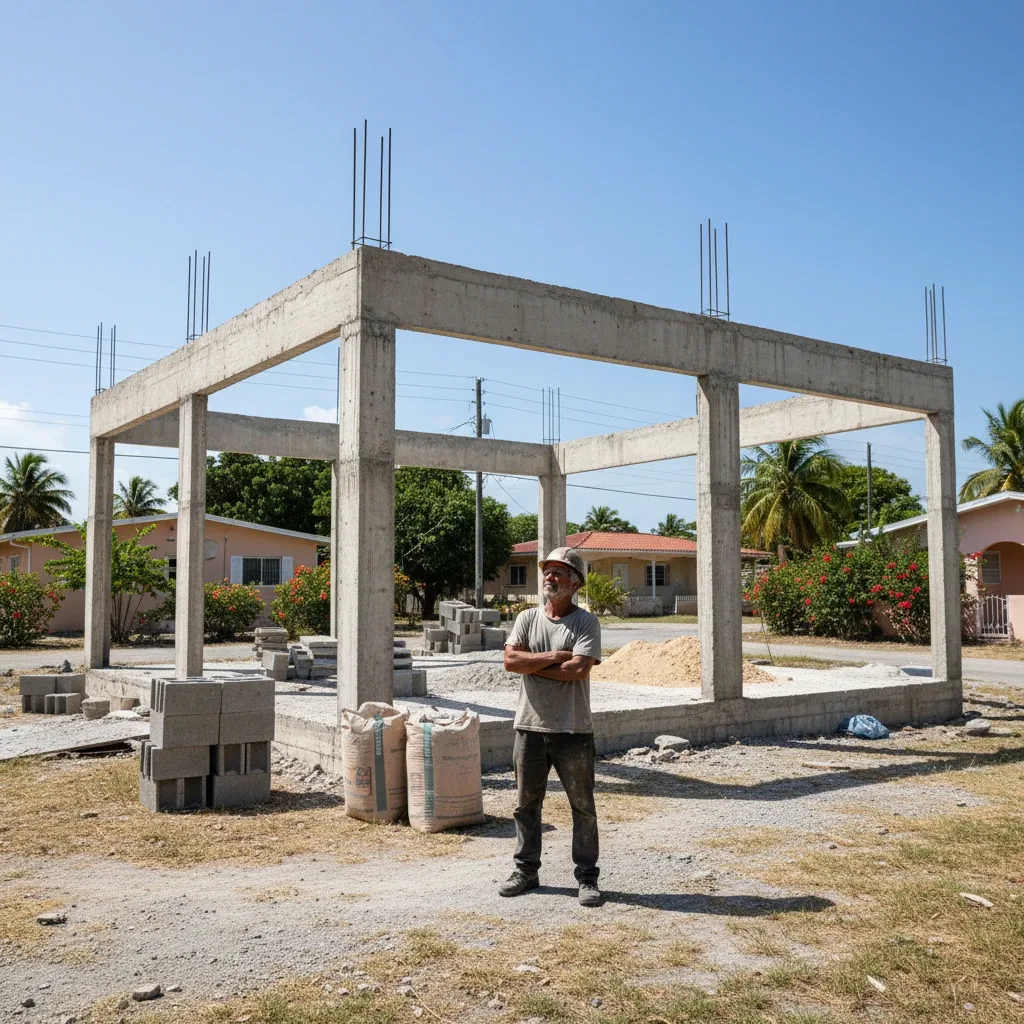
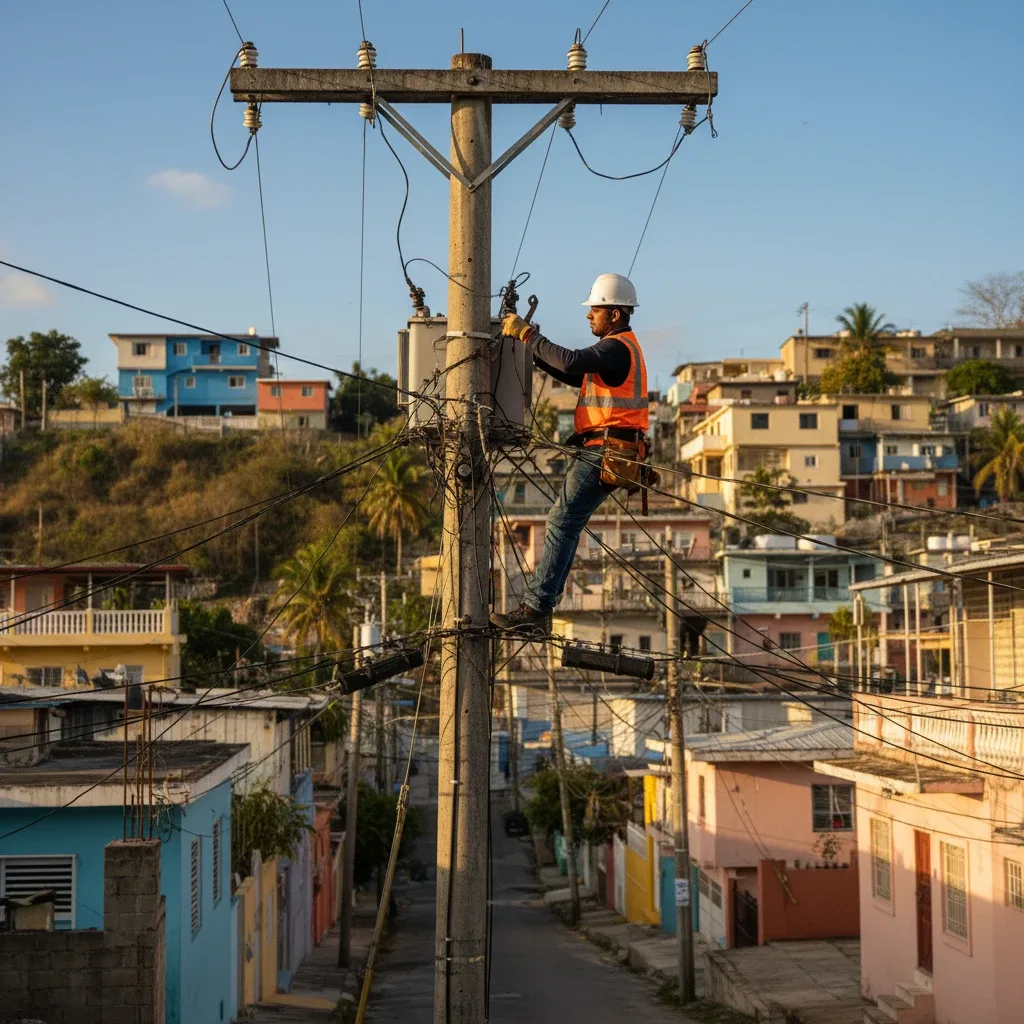
The stalled recovery funds have had a profound impact on Puerto Rico's ability to rebuild resilient infrastructure and stimulate economic growth. Many essential projects, from repairing schools and hospitals to upgrading the power grid, remain incomplete or have yet to begin. The lack of funding exacerbates existing vulnerabilities.
Long-term recovery efforts are crucial for the island's stability, both economically and socially. The delayed funding perpetuates a cycle of dependency and hinders self-sufficiency. Residents continue to endure inadequate services and infrastructure. This audit brings critical attention to the ongoing challenges.
Calls for Expedited Fund Release and Oversight Reform
Lawmakers are now calling for immediate action to expedite the release of the remaining hurricane recovery funds. They also propose reforms to streamline the federal disaster aid process to prevent similar delays in future events. The bipartisan group seeks to introduce new legislation addressing these issues.
The federal government faces increasing pressure to ensure transparency and efficiency in disaster relief operations. The audit's findings serve as a stark reminder of the long road ahead for Puerto Rico's full recovery. Oversight committees plan further hearings to monitor progress and demand accountability.
Frequently Asked Questions
Why are hurricane recovery funds for Puerto Rico still pending nearly a decade later? The audit points to a combination of complex federal regulations, rigorous compliance requirements, and administrative capacity challenges within both federal and local agencies as primary reasons for the delays. These factors create significant bottlenecks in the disbursement process, prolonging the release of billions in aid.
What types of projects are most affected by the delayed federal funding? The delayed funds primarily impact large-scale infrastructure projects, including rebuilding housing, repairing and modernizing the power grid, renovating schools and hospitals, and developing critical economic revitalization programs. These projects are essential for the island's long-term resilience and economic stability, and their delay has ripple effects across various sectors.
Written by
Newstrix AI
Encanto News