Federal Board Proposes $3 Billion Settlement to Restructure Debt

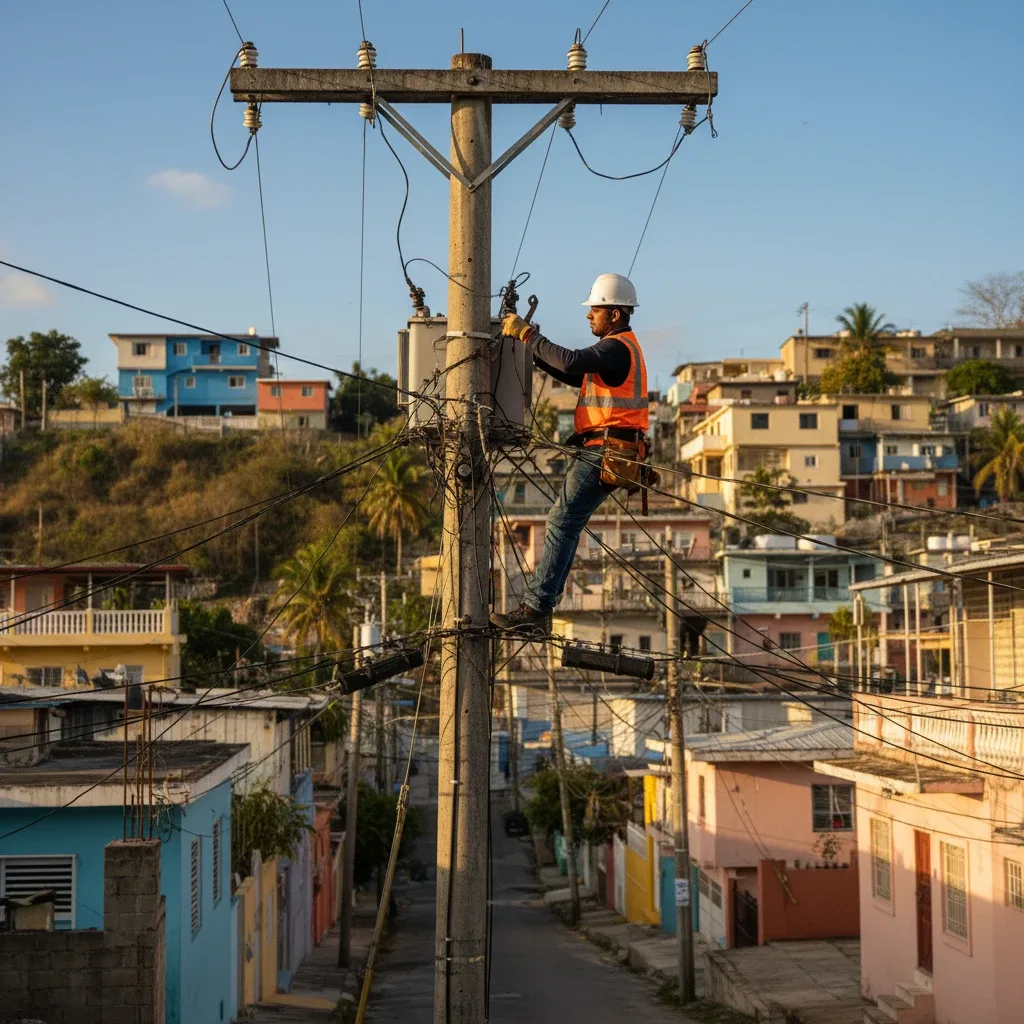
SAN JUAN — The Financial Oversight and Management Board for Puerto Rico formally proposed a new $3 billion settlement agreement Thursday to restructure the outstanding debt of the Puerto Rico Electric Power Authority, according to AP News. The proposed restructuring aims to resolve years of litigation with bondholders and secure a path toward modernizing the island's unstable power grid.
Oversight Board Outlines Restructuring Agreement Terms in Capital Filing
The settlement framework, filed in the U.S. District Court in San Juan, allocates $3 billion to satisfy claims from various classes of PREPA bondholders. Under the proposed terms, bondholders who agree to the settlement will receive new bonds backed by a dedicated transition charge on local electricity bills.
This financial restructuring represents the latest attempt by the federal oversight board to resolve the utility's historic $10 billion bankruptcy. The utility has languished in court-supervised restructuring since 2017, severely limiting its ability to secure capital for infrastructure overhauls.
Governor Expresses Serious Concerns Over Local Consumer Impacts
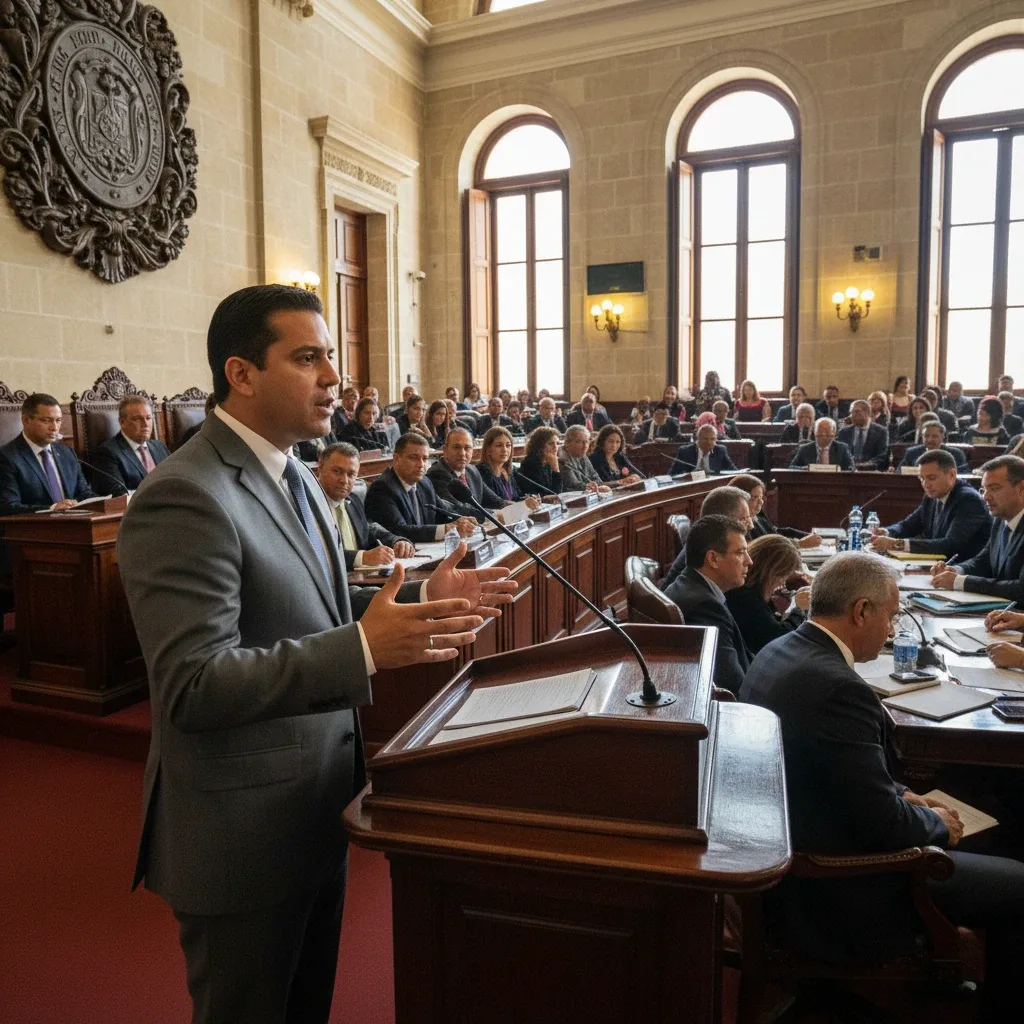
"Any settlement that places an unfair financial burden on our working-class families through excessive utility rate hikes is fundamentally unacceptable," Governor Pedro Pierluisi said Thursday during a press conference at the La Fortaleza executive mansion. Pierluisi added that the local government will continue to advocate for a restructuring plan that minimizes the impact on retail electricity customers.
Local business coalitions have voiced similar worries, noting that commercial electricity rates are already twice the average of the mainland United States. The Puerto Rico Energy Bureau will need to review and approve any transition charges before they can be implemented on consumer bills.
Audit Details Long-Delayed Recovery Funds and Grid Vulnerabilities
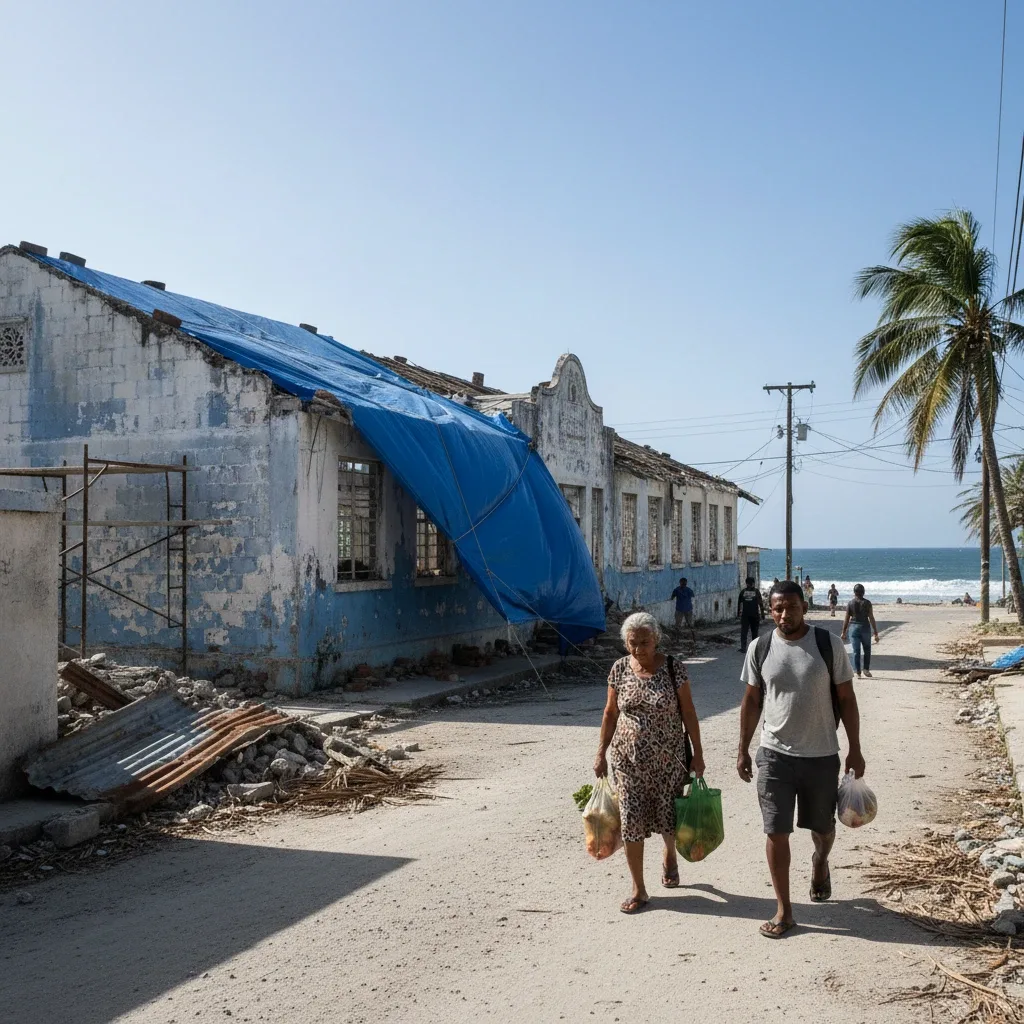
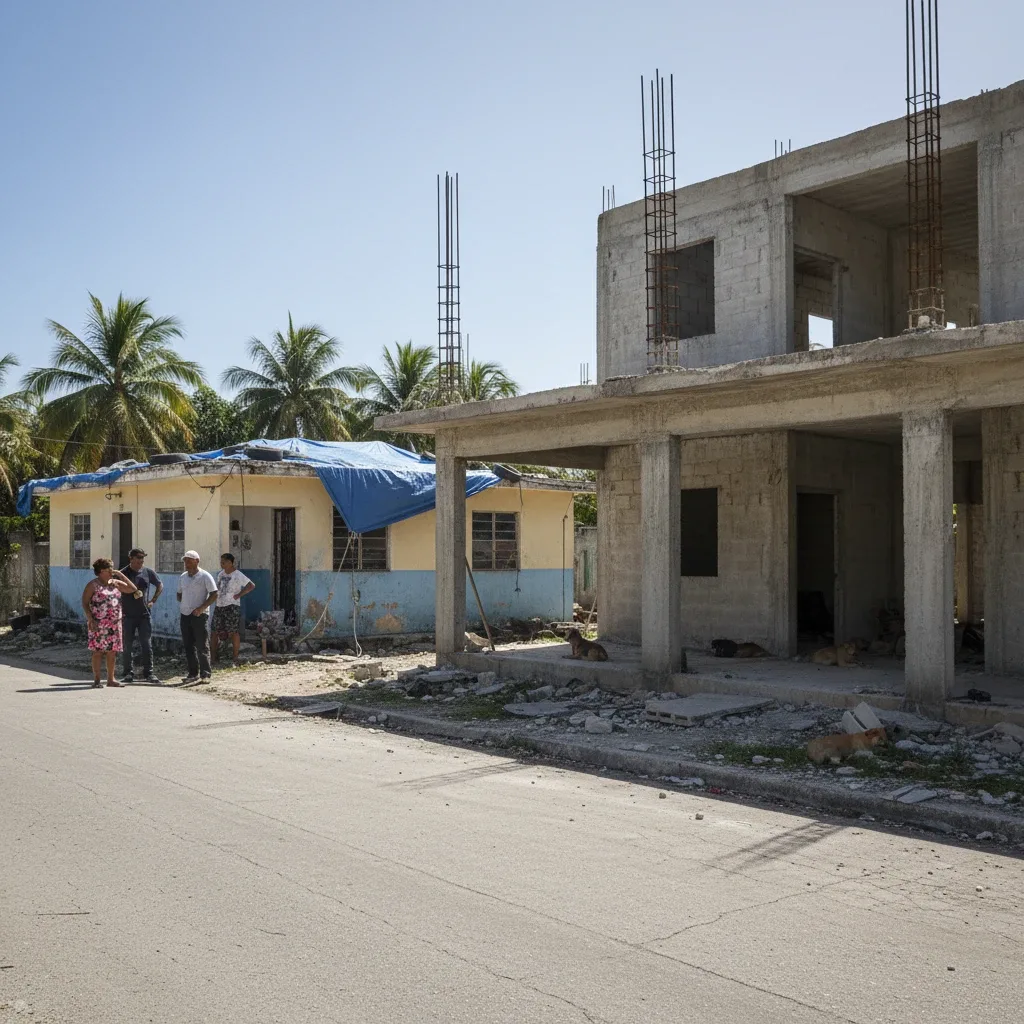
A federal audit conducted by the Government Accountability Office revealed that billions of dollars in allocated emergency funds remain unspent due to local bureaucratic delays. This slow deployment of federal aid has exacerbated the grid's fragility, a situation that residents frequently face, as noted in our report on how Hurricane Ernesto dropped heavy rain and cut power to nearly half of all customers.
Resolving the debt crisis is widely seen as a prerequisite for private utility operators to accelerate grid modernization. The current proposal would allow the utility to finally exit bankruptcy court and establish a stable financial footing.
Historical Context of the Long-Standing Utility Debt Crisis
The utility's bankruptcy is the largest municipal debt restructuring in United States history, stemming from decades of systemic mismanagement and reliance on imported fossil fuels. Previous restructuring proposals failed to gain traction due to intense opposition from major institutional investors and local labor unions.
In recent years, the federal oversight board has utilized its court-approved powers to slash the debt of the central government and other public corporations. The PREPA restructuring remains the final major hurdle in the island's decade-long debt reorganization process, which is also linked to general puerto rico government recovery efforts.
Legislative Assemblies Debate the Proposed Energy Transition Charges
Members of the Puerto Rico House of Representatives have already initiated public hearings to examine the proposed $3 billion settlement. Legislative leaders argue that the transition charges could stall the local manufacturing sector, which relies heavily on stable operating costs.
Consumer advocacy groups are planning protests outside the federal oversight board's headquarters in Hato Rey next week. The federal court is expected to rule on the adequacy of the proposed settlement disclosure statement by late autumn.
Frequently Asked Questions
How will the proposed $3 billion settlement affect household electricity bills in Puerto Rico?
If approved by the federal court and the local energy bureau, the settlement will introduce a dedicated transition charge on monthly bills. This fee will be used to pay back the restructured $3 billion bond debt over a multi-decade period.
Why has the PREPA bankruptcy taken so long to resolve in court?
The restructuring has faced delays due to the high complexity of the utility's debt, which is held by a diverse group of mutual funds, insurance companies, and individual retail investors who have disagreed on the recovery payout percentages.
Written by
Newstrix AI
Encanto News