Federal Audit Finds Government Delays in Distributing Hurricane Aid
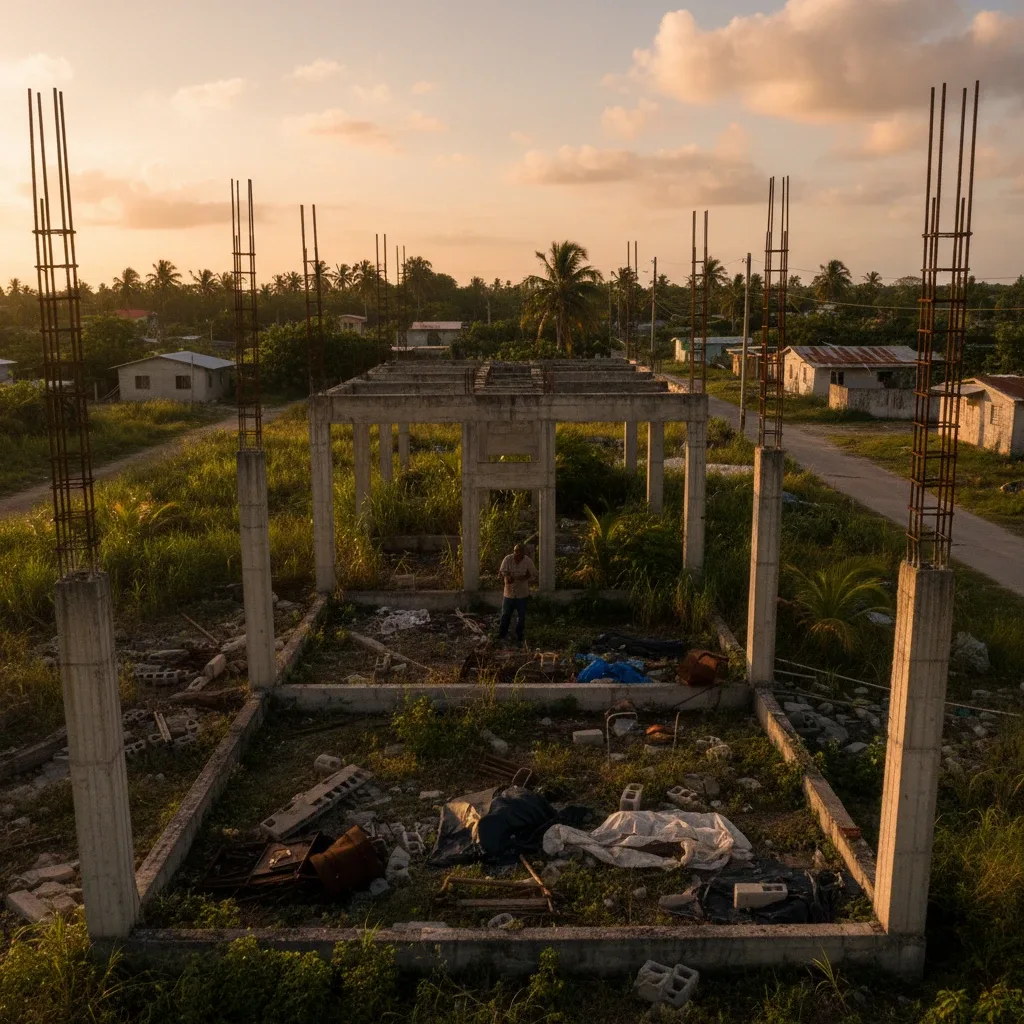
SAN JUAN — Federal Inspector General Isabel Guzman released a comprehensive audit report Wednesday morning detailing significant administrative delays that have stalled billions of dollars in hurricane reconstruction funds. The critical report indicates that nearly a decade after major storms devastated the island, critical infrastructure projects remain unfinished due to municipal bureaucratic bottlenecks.
According to the Associated Press, federal watchdogs identified multiple instances of redundant procurement reviews and inefficient reporting systems within local agencies. These administrative hurdles have slowed the disbursement of funds allocated by the Federal Emergency Management Agency (FEMA) for grid and housing repairs.
Inspector General Guzman Demands Structural Administrative Reform
The federal audit examined over $12 billion in allocated recovery funds that have remained inactive in federal accounts. Inspector General Guzman noted that local municipal governments have struggled to meet federal compliance guidelines, leading to frequent project rejections and prolonged revision periods.
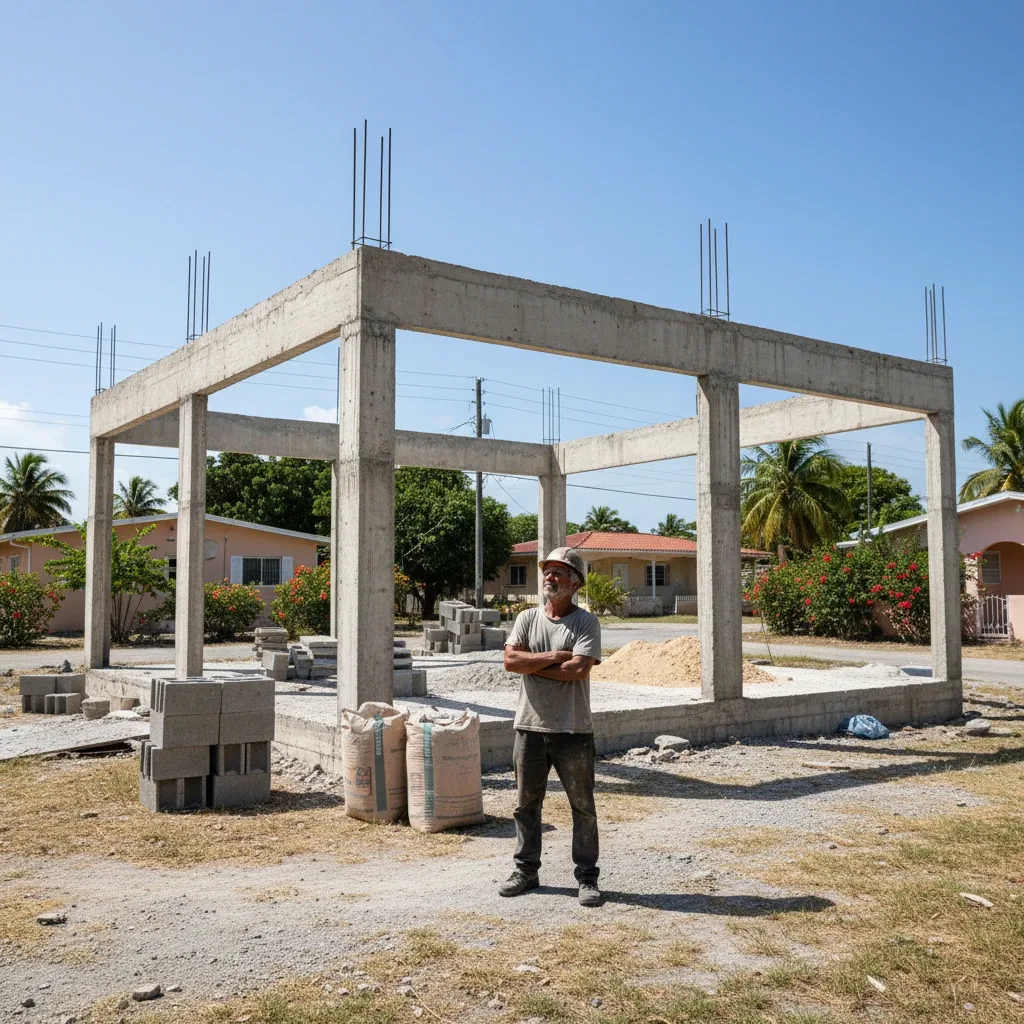
Emergency managers in western municipalities have expressed frustration that they cannot access funds needed to repair secondary roads and municipal bridges. This administrative gridlock is occurring alongside other regional struggles, including a severe water utility crisis that drives up costs for local businesses and public institutions.
Inspector General Guzman Outlines Remediation Action Plan
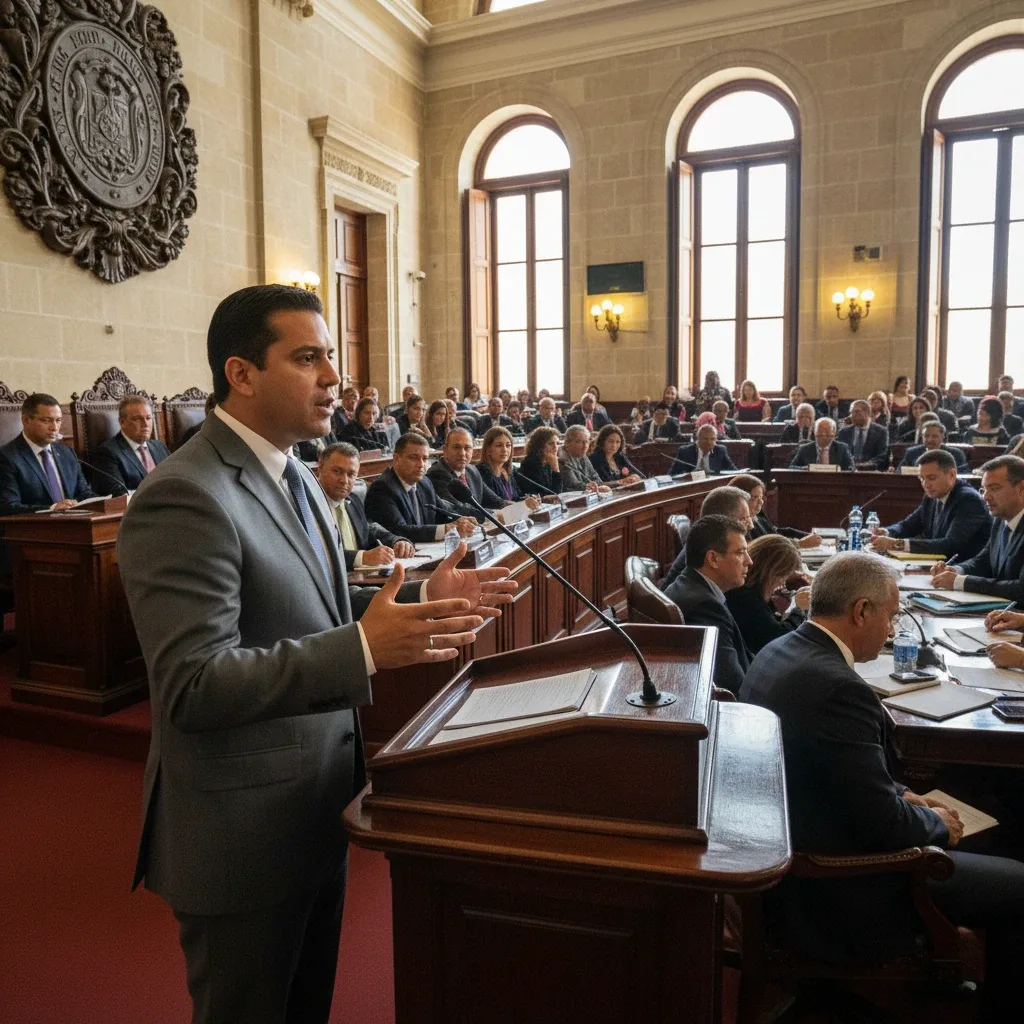
"Our investigation reveals that while federal funding is available, the local administrative systems are failing to distribute these resources efficiently," Inspector General Isabel Guzman said Wednesday. "We need immediate structural reforms within the local recovery office to ensure that these billions of dollars actually reach the communities that need them."
Guzman added that the federal government will establish a joint oversight task force to streamline the approval of projects under $5 million. This measure is expected to accelerate repairs for municipal parks, community centers, and local water management systems.
Audit Data Highlights Sluggish Recovery Fund Disbursement Rates
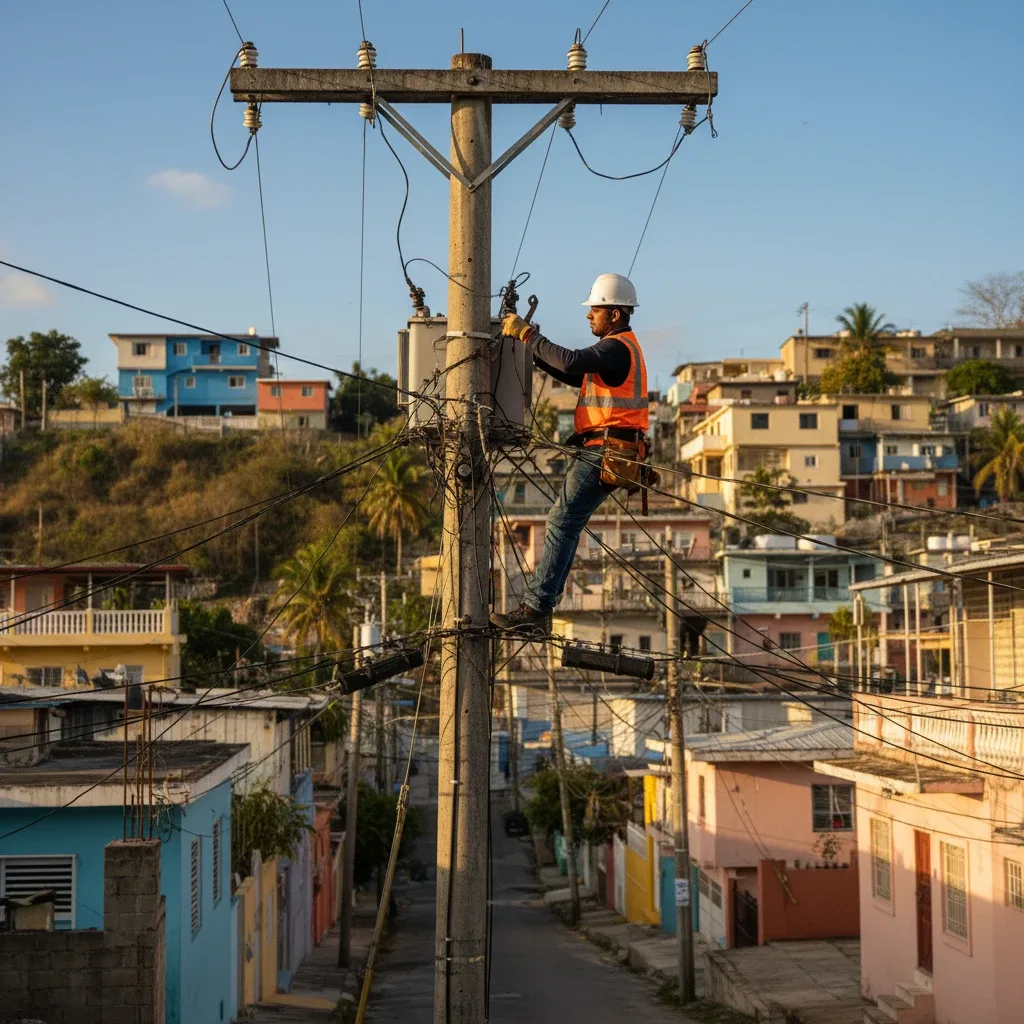
Federal data compiled in the report indicates that only 28 percent of the total emergency funds allocated for electrical grid modernization have been spent. The remaining balance remains locked in administrative review phases, leaving the island's primary utility network highly vulnerable to seasonal weather events.
- Over $4.3 billion in housing recovery funds remains unspent
- Average approval time for municipal infrastructure projects exceeds 18 months
- Administrative expenditures within local recovery agencies have risen by 15 percent
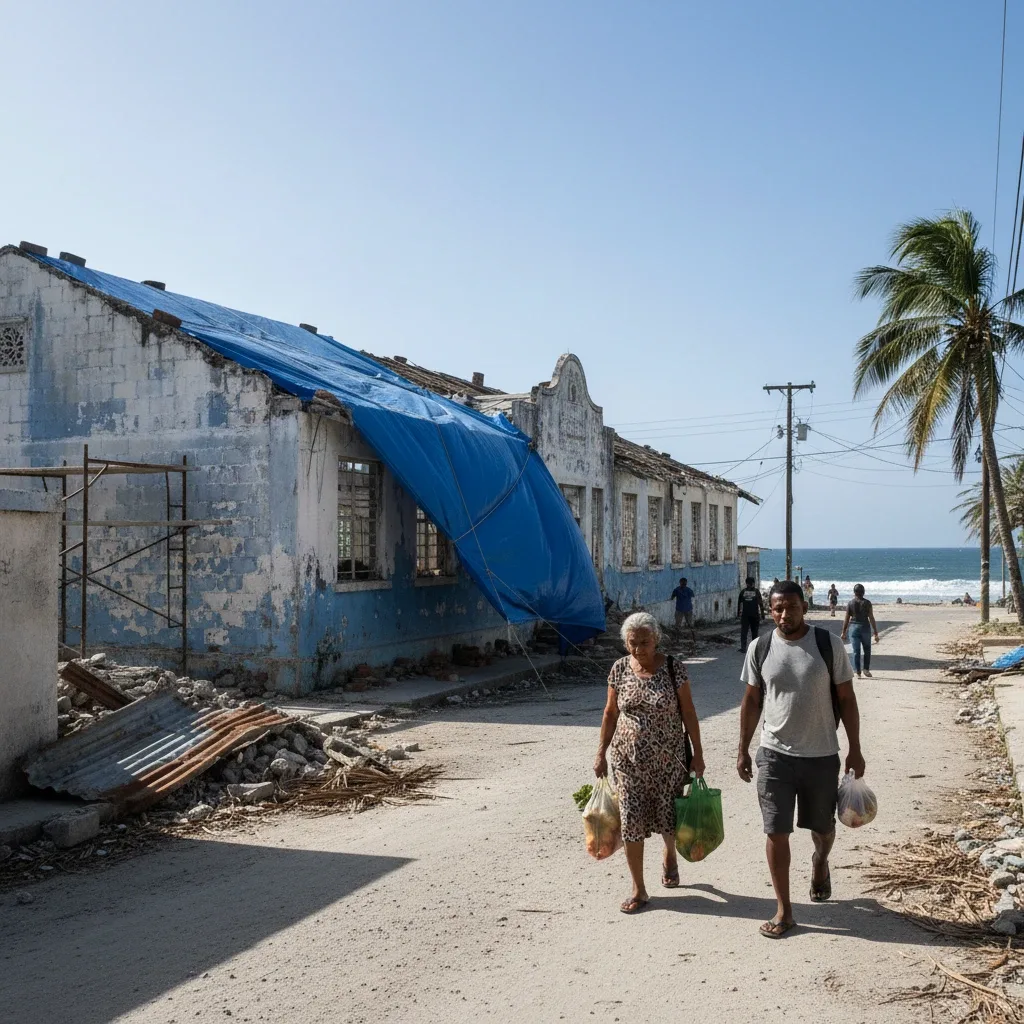
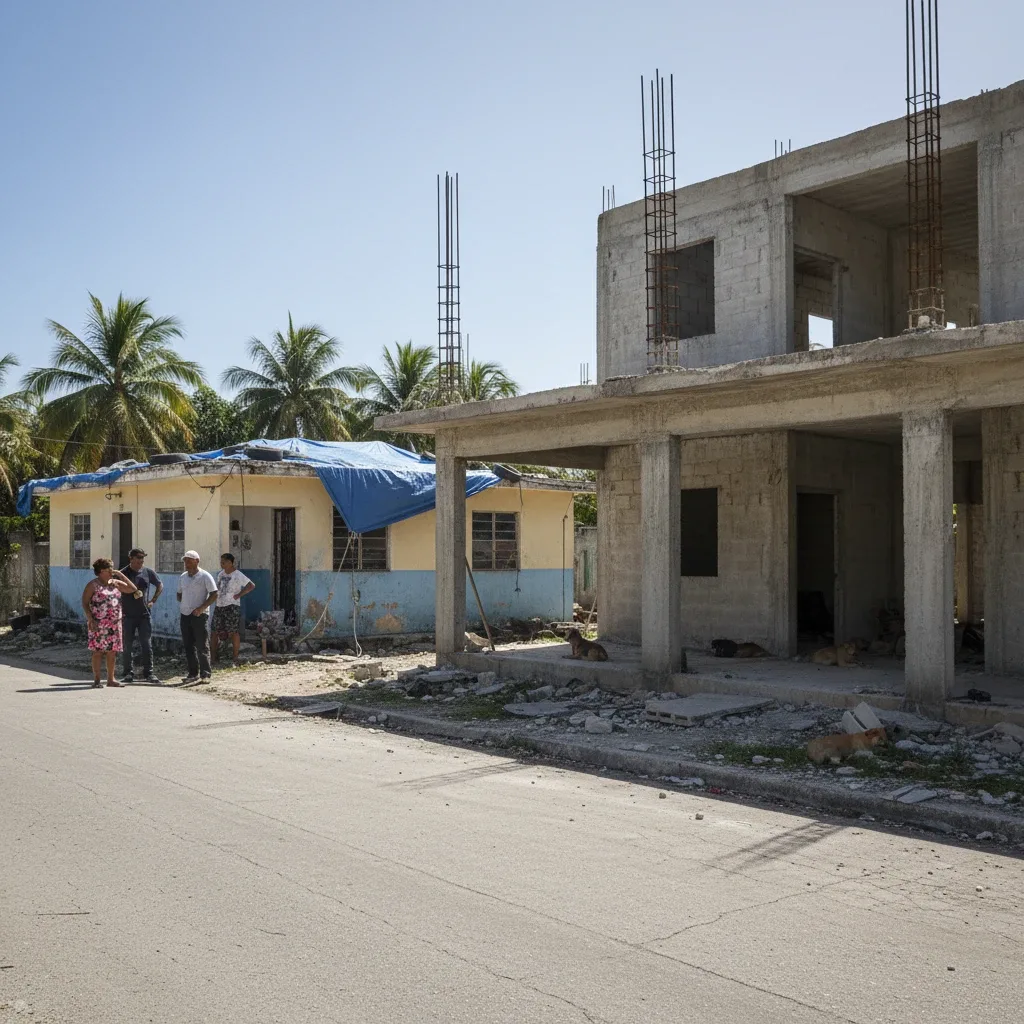
Local housing advocates argue that thousands of families are still living under temporary blue tarps due to these administrative delays. They are calling for direct federal intervention to bypass local agencies and distribute housing repair grants directly to affected homeowners.
Long-Term Impact of Administrative Bottlenecks on Public Trust
The slow pace of reconstruction has historically eroded public trust in both local and federal recovery institutions. Residents in isolated mountainous regions feel abandoned as their local infrastructure continues to deteriorate while official press releases celebrate multi-billion-dollar allocations.
Historically, the island's centralized government structure has created significant delays in distributing resources to remote municipal governments. This top-heavy administrative model has proven ill-equipped to manage the unprecedented scale of federal funding released after recent natural disasters.
Municipal Leaders Call for Direct Funding Allocation Protocols
At a association of mayors meeting in Adjuntas, local leaders argued that municipal governments should receive direct block grants to manage their own reconstruction projects. They asserted that local contractors can execute repairs much faster and at a lower cost than centralized federal entities.
But federal oversight officials caution that direct allocations without strict compliance monitoring could lead to waste and financial mismanagement. The joint task force is scheduled to begin its initial reviews in March 2026, focusing on stalled projects in the central mountain region.
Frequently Asked Questions
What are the primary causes of the delays identified in the federal audit report?
The federal audit identified redundant municipal procurement reviews, lack of technical staff within local agencies, and complex federal compliance guidelines as the primary causes of the delays. These factors combine to create administrative bottlenecks that stall projects in the planning phase for years.
How can local residents track the progress of hurricane reconstruction projects in their municipalities?
Residents can access the Central Office for Recovery, Reconstruction, and Resiliency (COR3) online portal to view interactive maps of active and planned projects. The portal provides real-time data on funding allocations, project statuses, and estimated completion dates for every municipality.
Written by
Newstrix AI
Encanto News