Federal Audit Finds Puerto Rico Awaiting Billions in Hurricane Relief
SAN JUAN — A federal audit released Thursday morning revealed that Puerto Rico has yet to receive billions of dollars in disaster recovery funds nearly a decade after a series of deadly hurricanes devastated the island's infrastructure, according to the Government Accountability Office. The report highlights severe administrative bottlenecks delaying critical reconstruction projects across the island.
Federal Audit Details Massive Funding Backlog in San Juan
The report analyzed the distribution of funds allocated by the Federal Emergency Management Agency (FEMA) following Hurricanes Irma and Maria. Out of $43 billion authorized by Congress, only about $21 billion has been spent on completed projects.
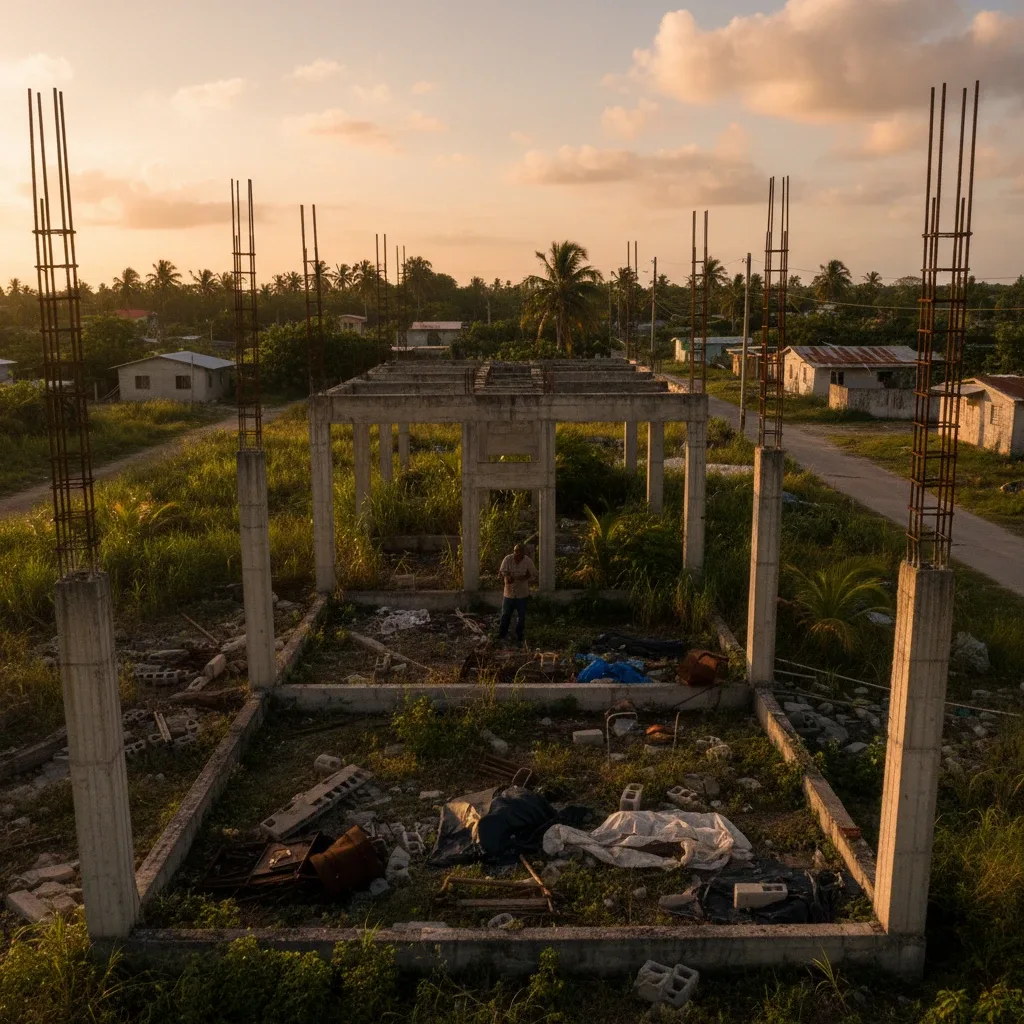
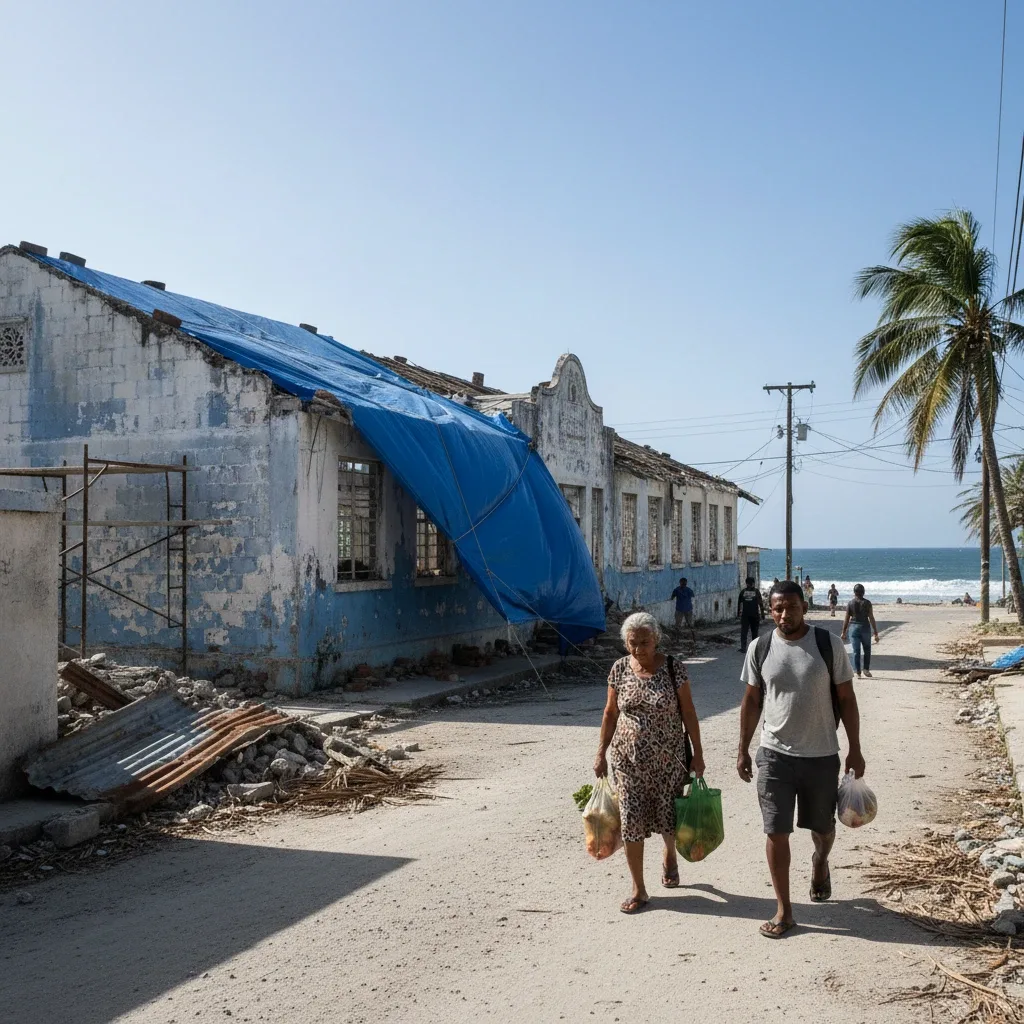
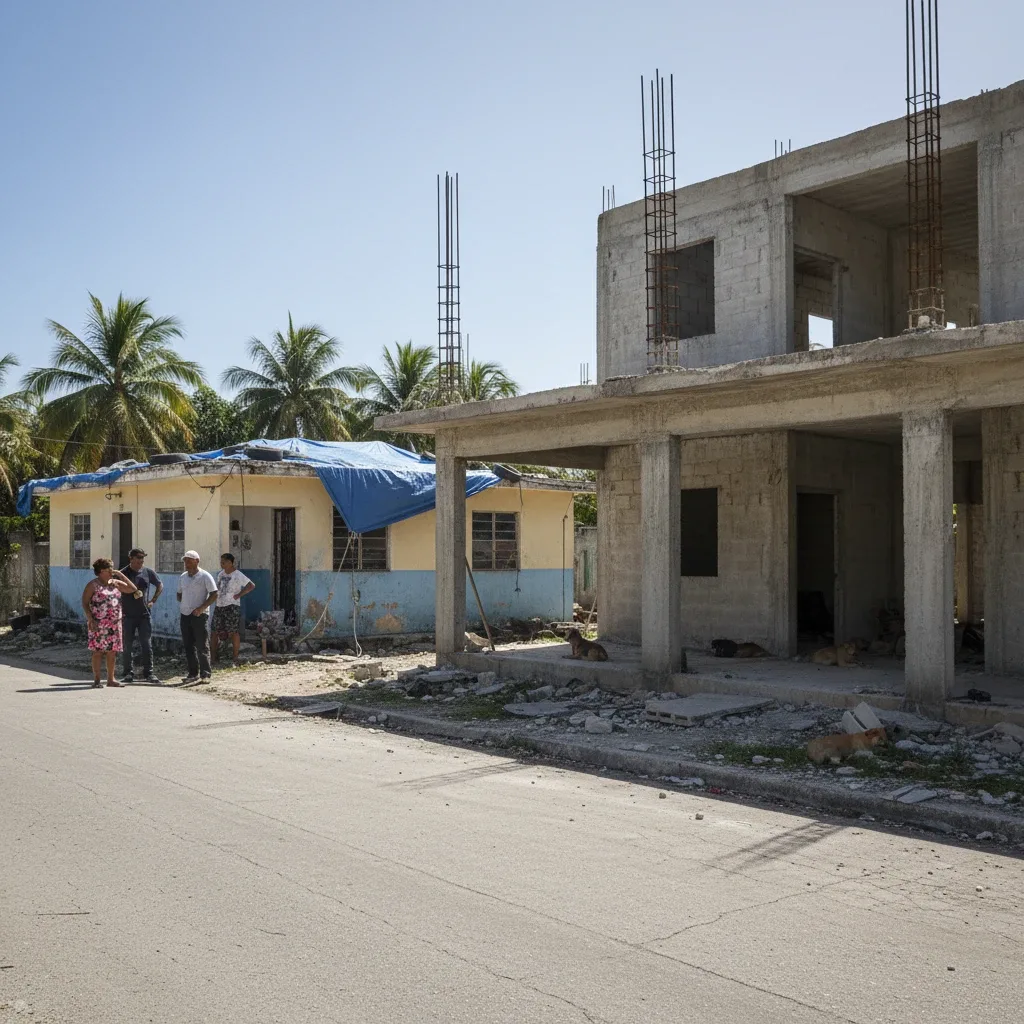
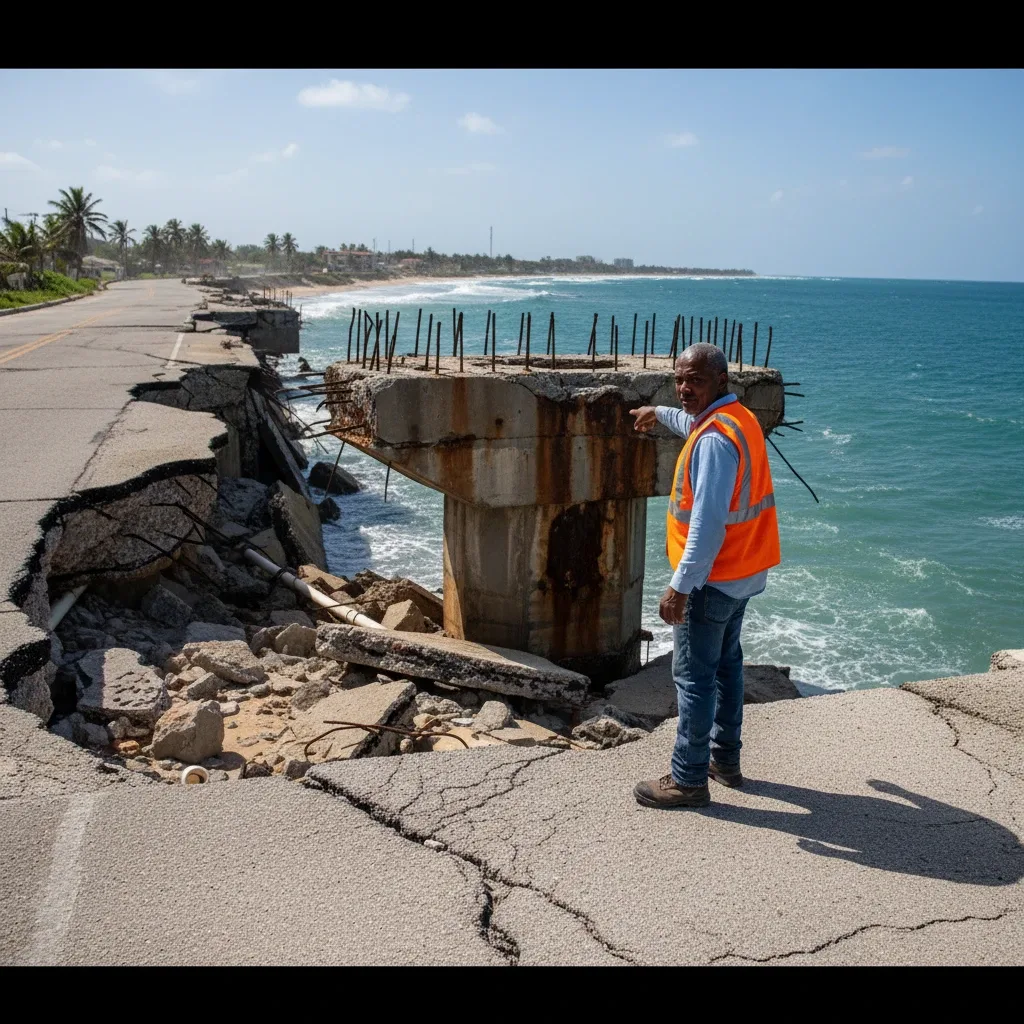
Most of the remaining funds are tied up in bureaucratic approval phases or local government administrative delays. The slow rollout has left major bridges, school buildings, and water treatment facilities in a state of disrepair.
According to AP News coverage of Puerto Rico recovery, local municipalities struggle with the complex reimbursement process required by federal agencies. This complexity often prevents smaller towns from starting projects due to a lack of upfront cash reserves.
Resident Commissioner Jenniffer González Demands Administrative Reforms
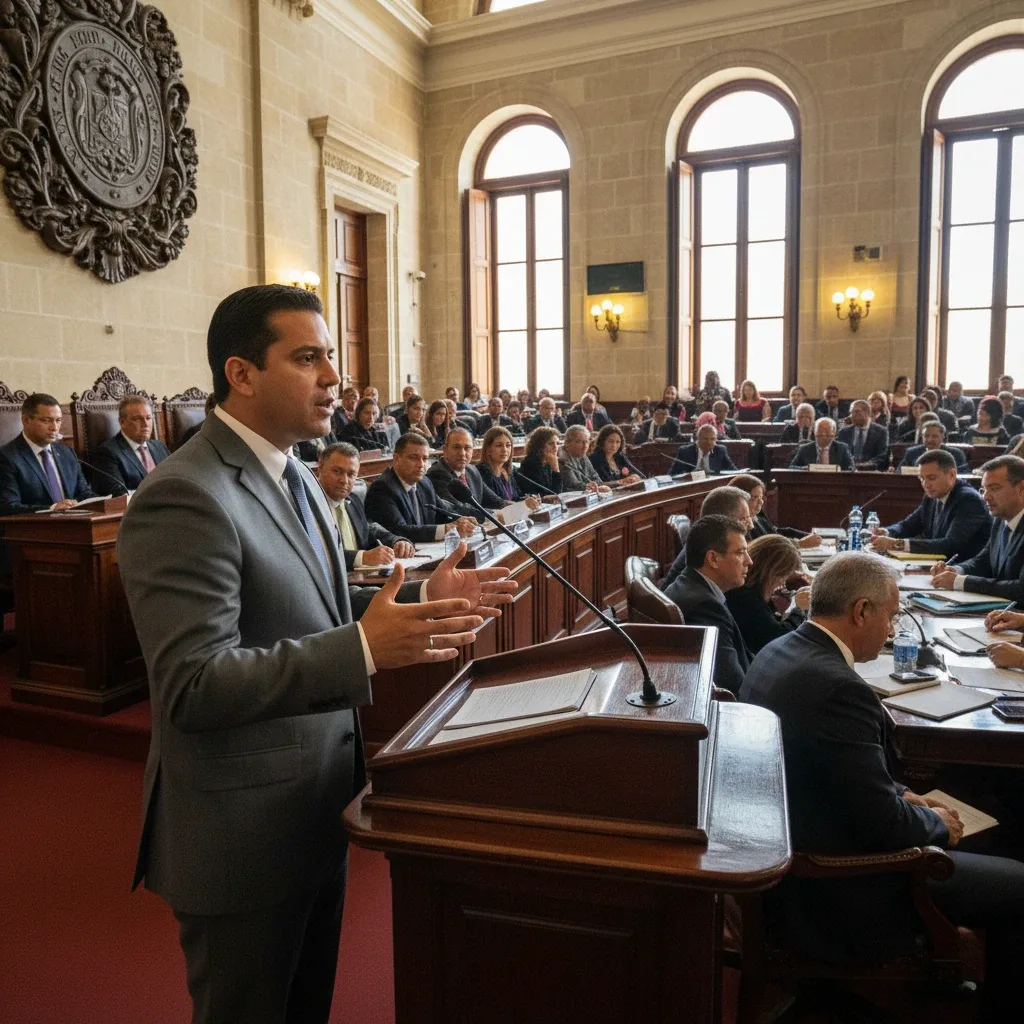
"The findings of this audit are unacceptable for our communities that are still living with damaged infrastructure," Resident Commissioner Jenniffer González said Thursday in Washington. González added that federal agencies must simplify the reimbursement guidelines to expedite municipal rebuilding efforts.
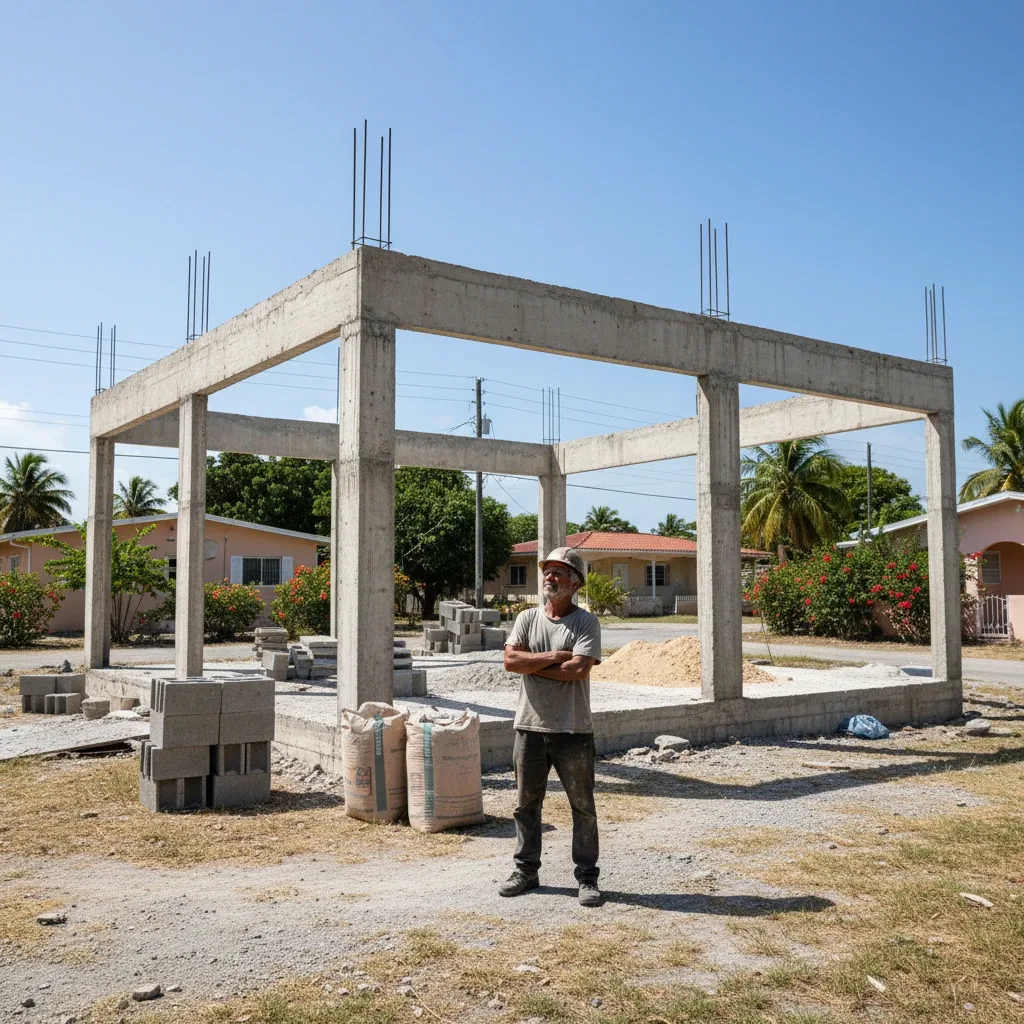
Local mayors have repeatedly complained that federal requirements are too rigid for the island's economic reality. Many small towns cannot afford to hire specialized engineering firms to compile the extensive paperwork required by FEMA.
Structural Challenges in Rebuilding the Municipal Power Grid
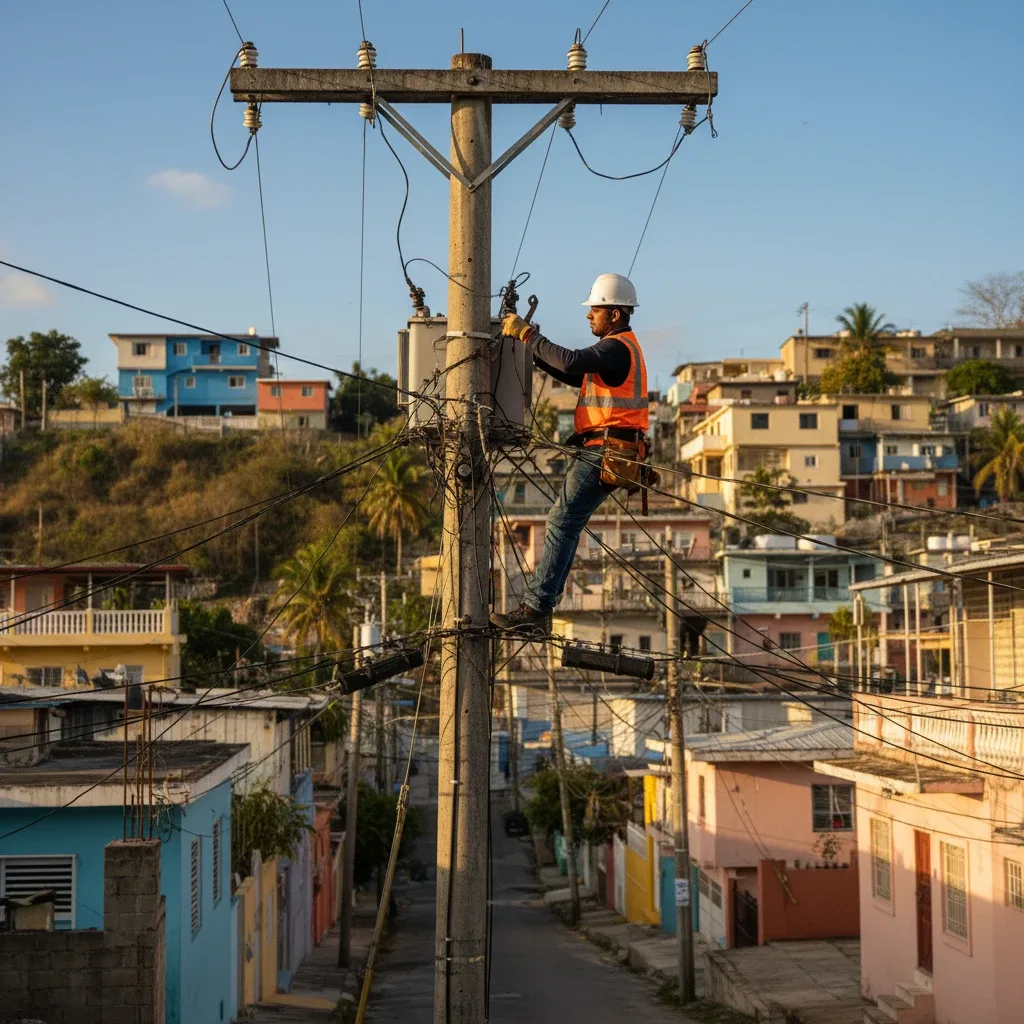
The slow distribution of funds has severely impacted the reconstruction of the electrical grid, which remains highly vulnerable to minor storms. While billions are allocated for grid modernization, energy officials report that major substation overhauls are still years away.
In the mountain municipality of Utuado, residents still use temporary bridges installed shortly after the 2017 hurricane season. Local leaders argue that the lack of permanent infrastructure limits economic development and discourages young families from staying in rural areas.
Historical Comparison of Federal Funding Dispersal Rates
Compared to stateside disaster recovery efforts, Puerto Rico's funding dispersal rate is significantly slower than average. Similar recovery projects in Texas and Florida after major hurricanes achieved a 75 percent completion rate within five years.
Analysts attribute the disparity to the island's pre-existing financial bankruptcy and a lack of local technical personnel. The migration of skilled construction workers and engineers to the mainland has created a severe labor shortage in the local construction sector.
Long-Term Implications for Island Emergency Preparedness
As the island enters another hurricane season, emergency managers warn that incomplete projects pose a safety risk to local populations. Unresolved drainage issues and weakened coastal walls could lead to severe flooding during moderate rain events.
Government officials in San Juan are working to establish a centralized agency to assist municipalities with federal compliance paperwork. This initiative aims to clear the administrative backlog before the end of the fiscal year.
Frequently Asked Questions
Why have billions of dollars in federal recovery funds not been spent yet?
The delay is primarily caused by complex federal bureaucratic requirements and local administrative limitations. FEMA requires extensive documentation and pre-approvals before releasing funds, which slow down the initiation of major construction projects. Additionally, the island's municipal governments often lack the upfront capital and technical personnel needed to start projects and apply for reimbursement.
What types of infrastructure projects are most affected by these funding delays?
The delays have heavily impacted public schools, municipal roads, bridges, and municipal water systems. Many local roads in mountainous regions remain temporarily patched, and several water treatment facilities await specialized equipment upgrades. Rebuilding the primary electrical transmission lines has also faced significant administrative delays.
Written by
Newstrix AI
Encanto News