Puerto Rico Energy Grid Undergoes Major Solar Power Integration

SAN JUAN — A record-setting deployment of decentralized solar energy systems has added 120 megawatts of renewable capacity to Puerto Rico's residential grid during the first half of 2026, according to the Puerto Rico Energy Bureau. The milestone represents a major step toward reducing the territory's heavy reliance on imported fossil fuels.
Rooftop Solar Systems Drive Grid Transformation
More than 18,000 households across the island installed rooftop solar panels and battery storage units between January and June. This rapid adoption is primarily driven by local tax incentives and growing consumer demand for reliable backup power during blackouts.
Industrial parks in Ponce and Mayagüez are also installing large-scale solar arrays to stabilize operational costs. Energy experts note that these decentralized systems help stabilize the regional grid by reducing peak demand on centralized power plants.
Energy Bureau President Outlines Clean Energy Targets
"The rapid growth of residential solar proves that our transition to clean energy is being led by consumers who want control over their power supply," Energy Bureau President Agustín Irizarry said Tuesday afternoon. Irizarry added that the bureau is drafting new regulations to streamline the interconnection process for commercial solar projects.
This clean energy push comes as the territory grapples with persistent utility issues, including complex power company debt negotiations that have delayed utility reforms. To stay informed about grid reliability, residents frequently monitor puerto rico energy news today for updates on service interruptions and rate adjustments.
Key Solar Capacity Statistics and Grid Impact
According to data from the Solar Energy Industries Association, Puerto Rico now ranks among the top five U.S. jurisdictions for per-capita residential solar installations. The island's total solar capacity has reached 680 megawatts, supporting roughly 12 percent of daily electricity demand.
Despite this progress, grid operators warn that integrating high volumes of intermittent solar power requires significant battery storage reserves. Without upgraded distribution systems, excess solar generation during midday hours cannot be efficiently redirected to the grid.
History of Fossil Fuel Dependence and Systemic Fragility
For over half a century, Puerto Rico relied on imported bunker fuel and coal to generate over 95 percent of its electricity. This dependence exposed local consumers to global fuel price spikes and contributed to high levels of air pollution near generation plants in Guayanilla.
When major storms damaged central transmission lines, the entire system collapsed due to lack of local generation options. The shift toward decentralized solar offers a more resilient model, allowing individual neighborhoods to maintain power even if main transmission lines fail.
Community Solar Co-ops Expand Rural Energy Access
Local non-profit groups are developing community solar cooperatives in mountainous municipalities like Adjuntas and Jayuya. These co-ops install shared solar systems on community centers and clinics, providing a vital safety net during prolonged outages.
Organizers hope to expand this model to low-income urban neighborhoods that cannot afford individual rooftop installations. By democratizing access to solar power, these initiatives aim to address energy poverty and build long-term climate resilience.
Frequently Asked Questions
What incentives are available for residents installing solar systems in Puerto Rico?
Residents can benefit from the federal investment tax credit (ITC), which covers up to 30 percent of the installation costs for solar panels and battery storage systems. Additionally, local net-metering laws allow solar owners to receive credits on their utility bills for excess electricity they export back to the grid.
Can commercial businesses participate in community solar co-ops?
Yes, commercial businesses can join community solar initiatives, allowing them to purchase shares of a centralized solar array's output to offset their operational energy costs. This option is particularly beneficial for small businesses that do not own their commercial spaces or have rooftops suitable for solar panels.
Written by
Newstrix AI
Encanto News
Related Articles
More in Environment →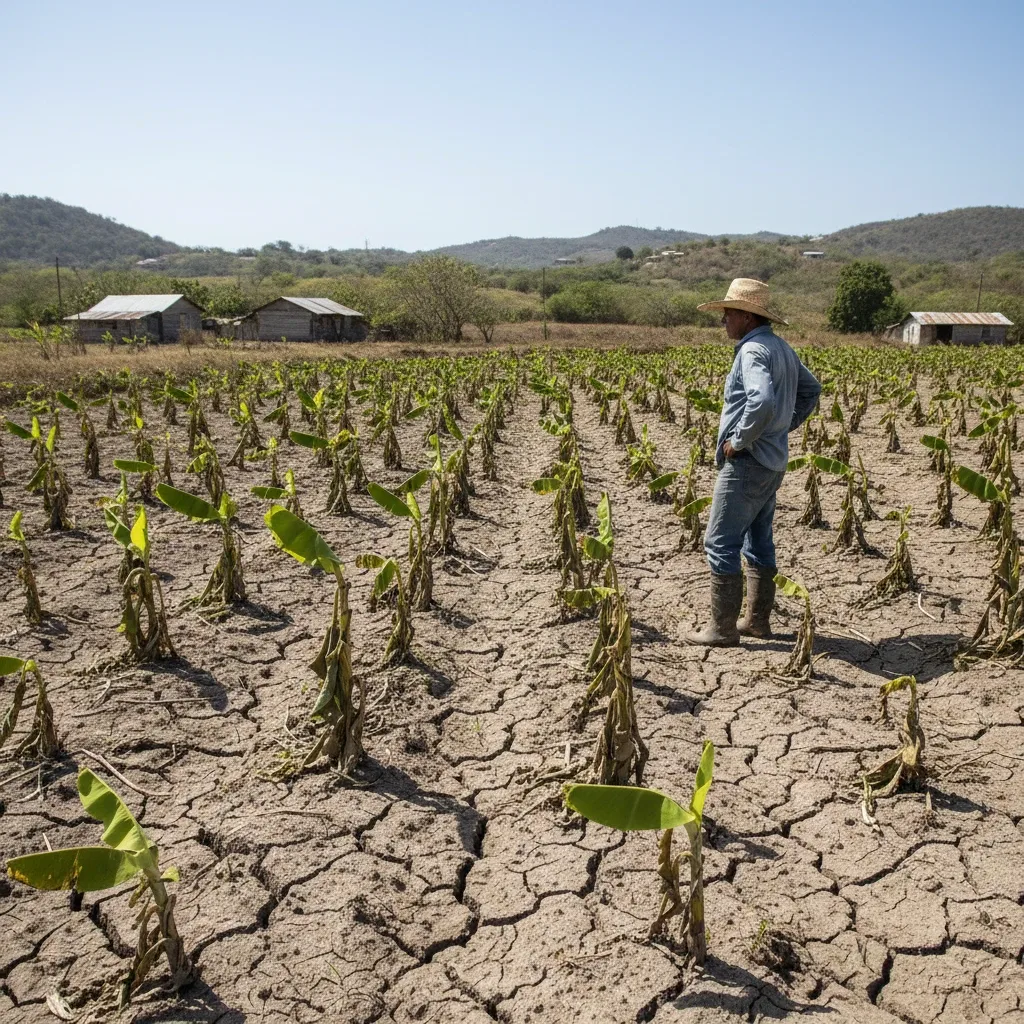
Puerto Rico Drought 2026: Over 61% of Island Experiencing Dry Conditions
Over 61% of Puerto Rico now faces drought conditions in 2026, with an additional 21.3% abnormally dry. The U.S. Drought Monitor reports severe impacts on agriculture and water reserves.
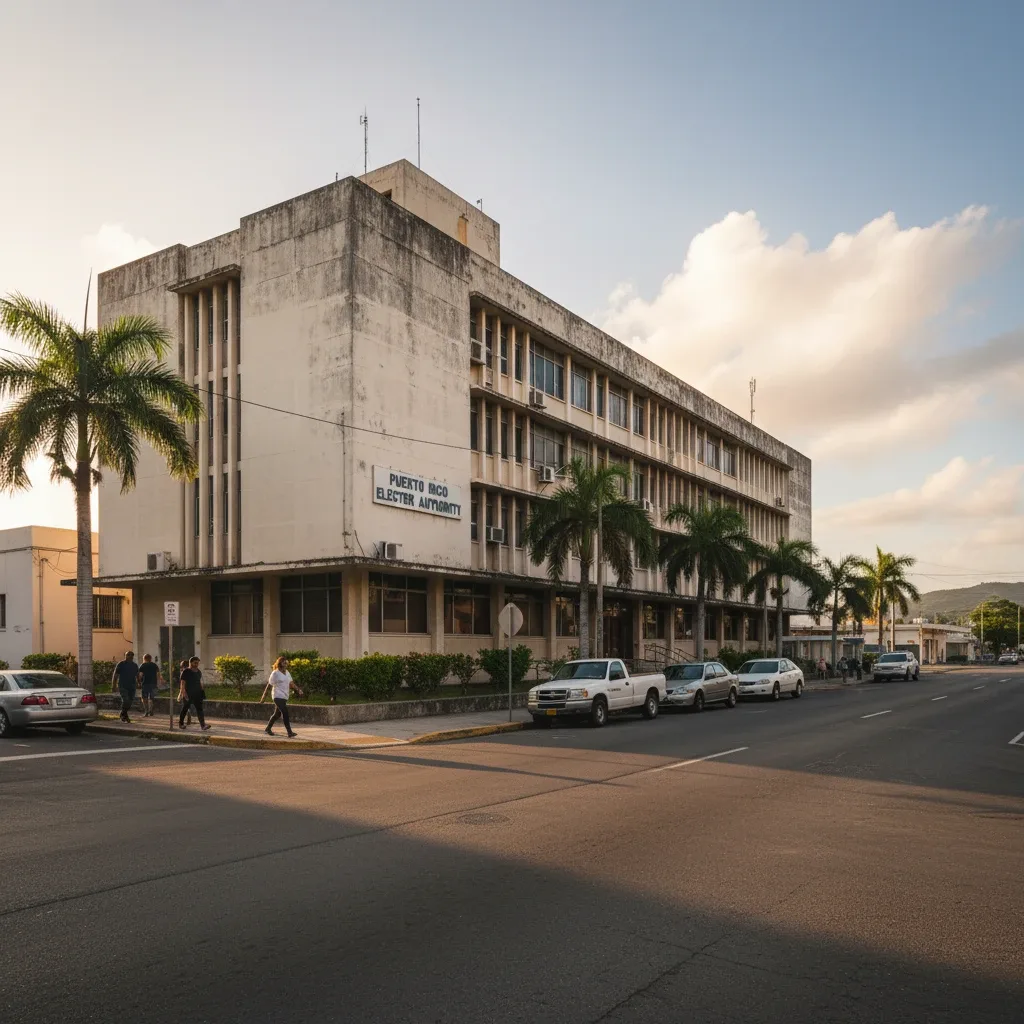
Federal Board Offers $3 Billion Settlement to Restructure PREPA Debt 2026
A federal board offered a $3 billion settlement to restructure Puerto Rico's power company (PREPA) debt in 2026, a critical move for the island's energy future.