Federal Audit Finds Puerto Rico Government Awaiting Hurricane Relief Aid

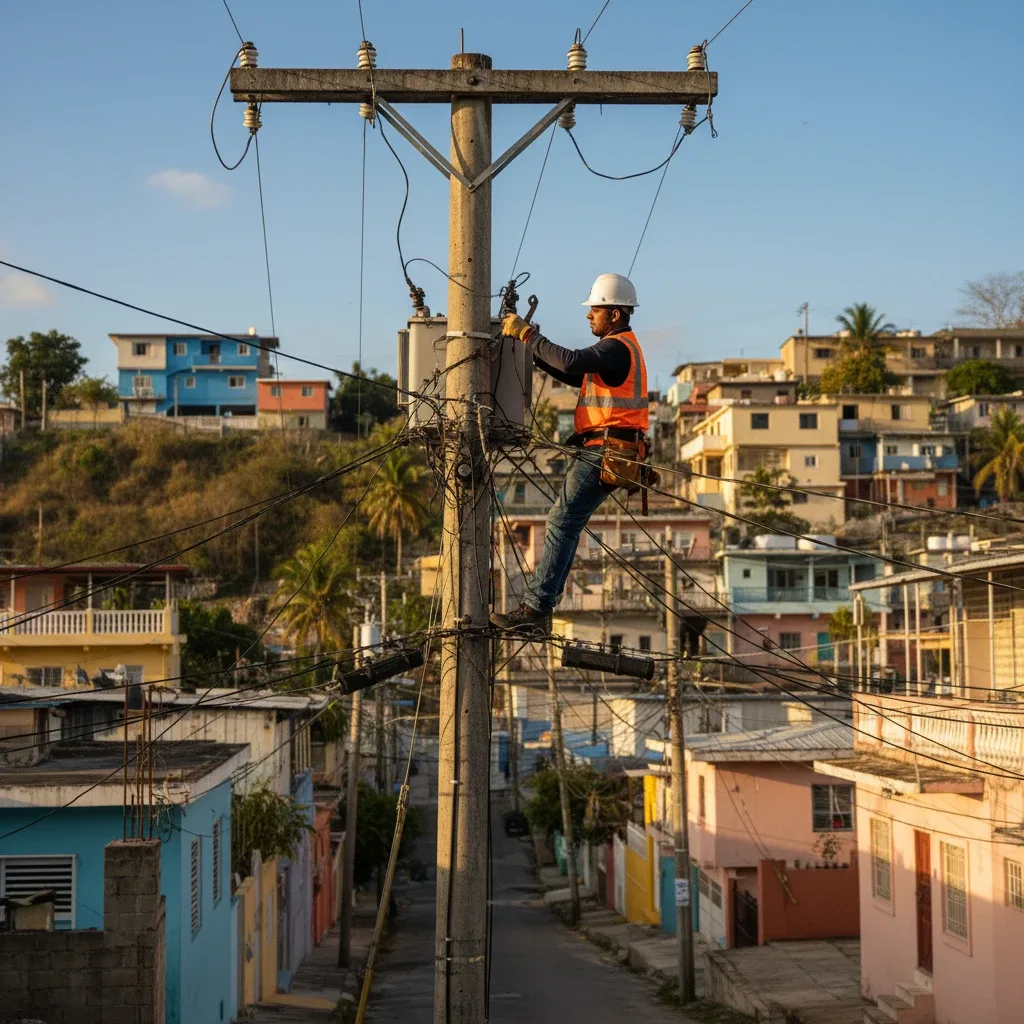
SAN JUAN — A comprehensive federal audit released Thursday by the U.S. Government Accountability Office revealed that the Puerto Rico government is still waiting to receive billions of dollars in promised disaster recovery aid. The critical report arrives nearly a decade after a series of deadly hurricanes devastated the island's municipal infrastructure.
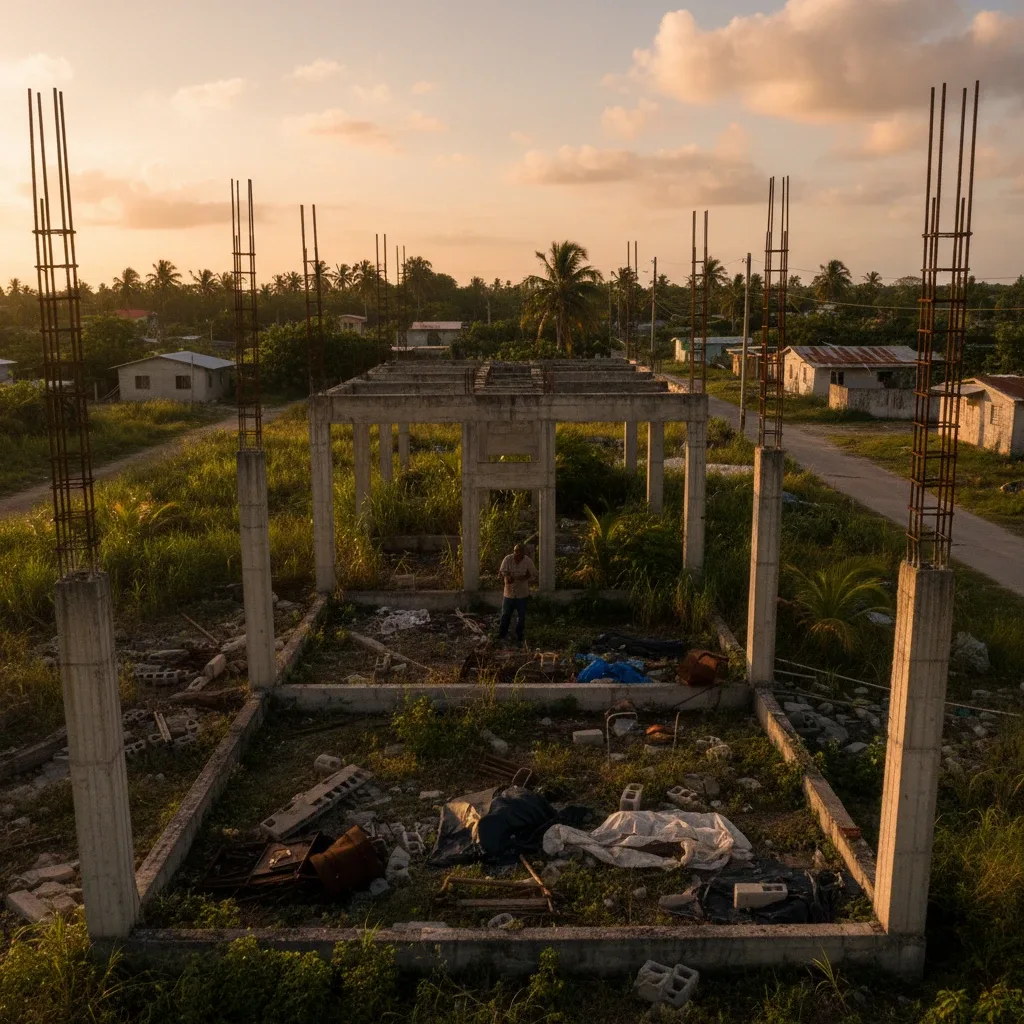
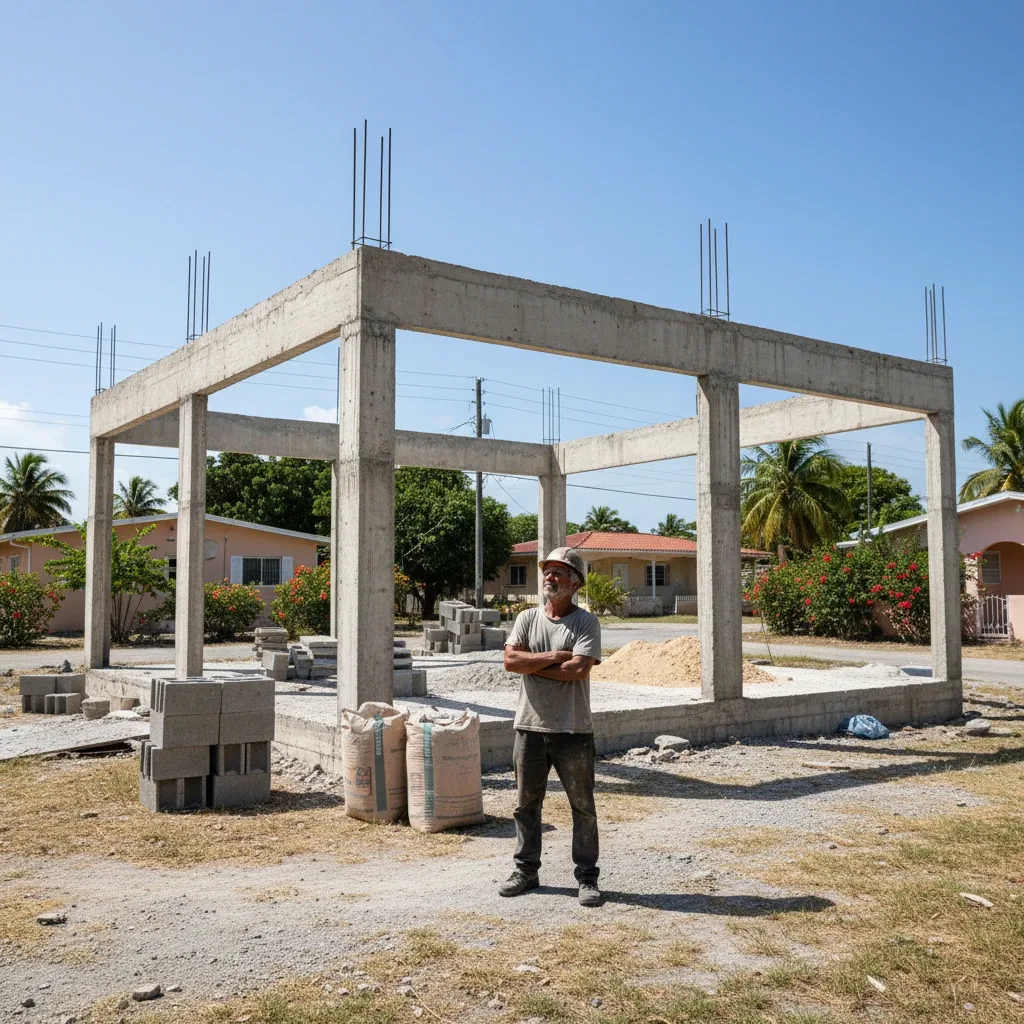
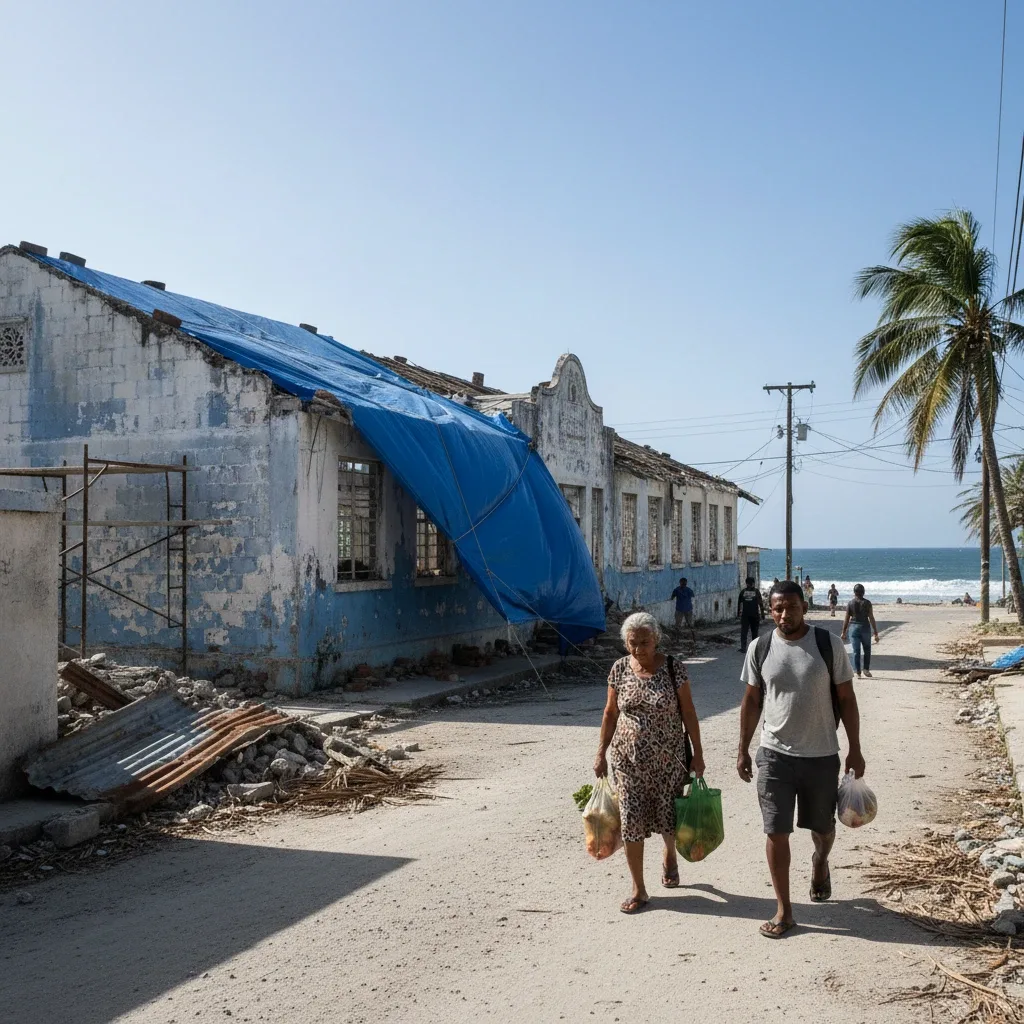
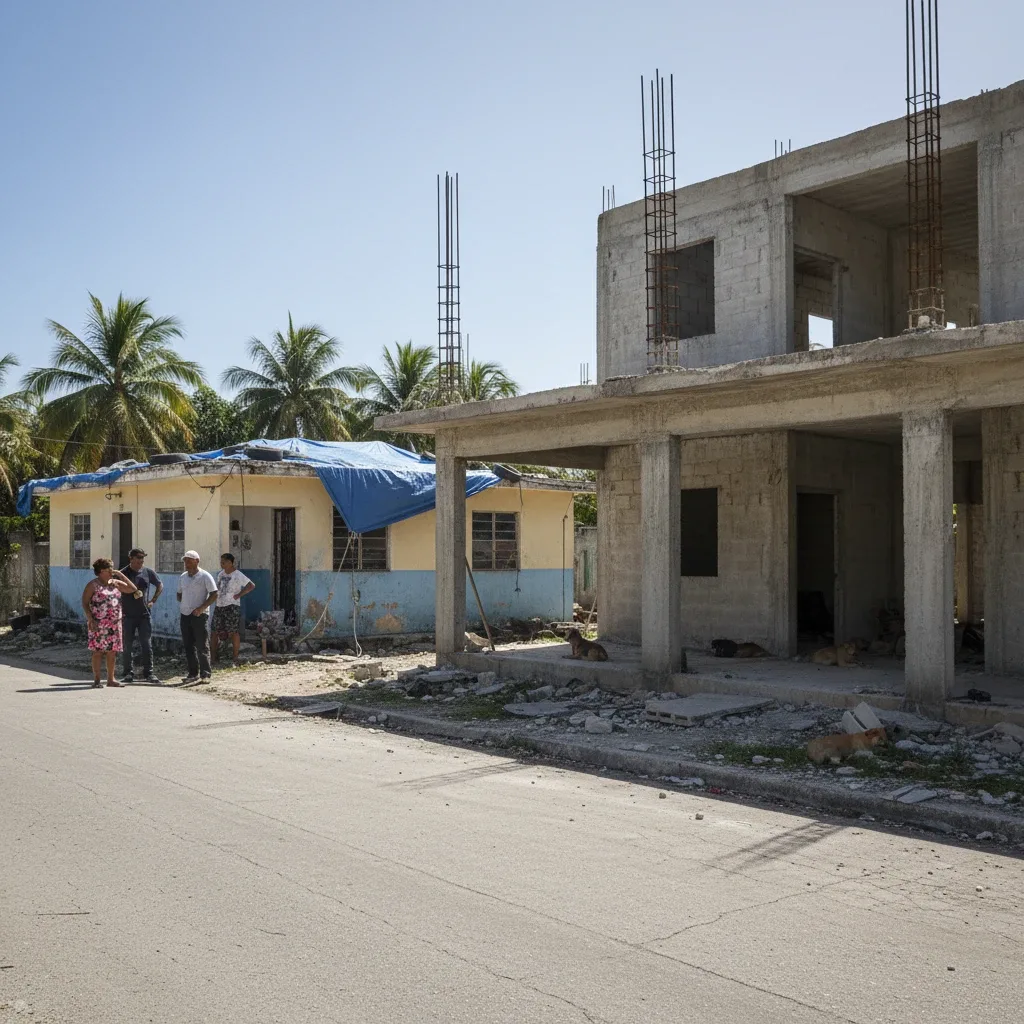
The severe funding delays have stalled critical municipal reconstruction efforts, leaving dozens of vulnerable coastal communities exposed to seasonal weather hazards. Local mayors have expressed frustration that bureaucratic bottlenecks continue to hold up essential road and bridge repairs.
Federal Watchdog Identifies Long-Term Funding Bottlenecks
The Government Accountability Office report analyzed the distribution of more than $84 billion in federal disaster relief funds allocated by Congress since 2017. Investigators found that while a significant portion has been obligated, less than half of the total funds have actually been disbursed to local agencies.
According to AP News coverage of Puerto Rico, federal compliance checks and rigid local procurement rules have severely slowed the flow of capital. The audit notes that the Federal Emergency Management Agency has yet to approve final designs for hundreds of complex permanent reconstruction projects.
Island Mayors Demand Streamlined Fund Disbursement
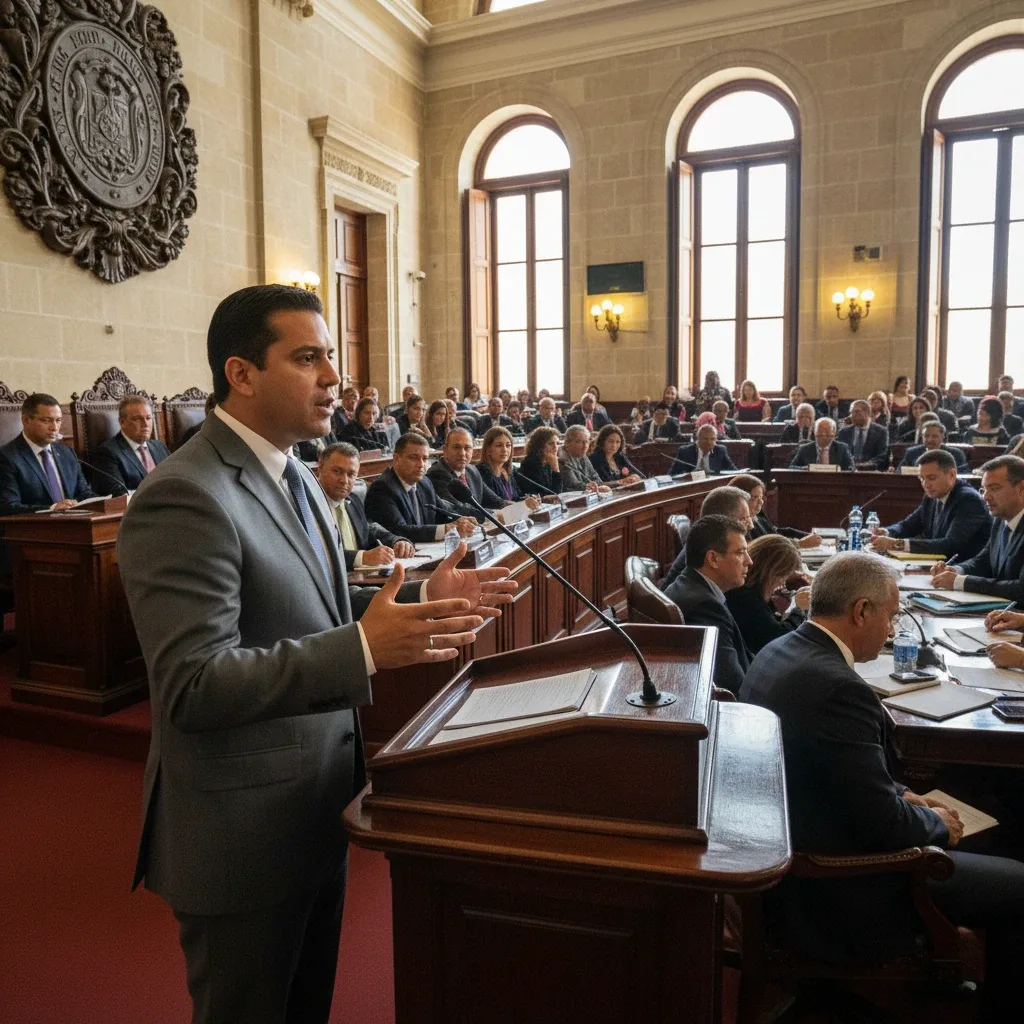
"The findings in this audit confirm what our communities have experienced on the ground for nearly ten years," San Juan Mayor Miguel Romero said during an emergency municipal meeting on Thursday morning. Romero emphasized that federal agencies must simplify their reimbursement processes to accelerate construction on municipal drainage systems.
Local leaders in rural mountain municipalities, where landslides frequently isolate neighborhoods during heavy rains, reported that they lack the upfront capital required to start projects under current reimbursement models. Many municipal offices have had to defer critical projects indefinitely due to these financial hurdles.
Audit Data Highlights Funding Allocation Discrepancies
Of the $84 billion allocated for disaster recovery, the federal audit confirms that only about $32 billion has been successfully disbursed to local government entities. The remaining balance of over $50 billion remains locked in various stages of federal and local administrative review.
| Agency / Sector | Allocated Funds (Billions) | Disbursed Funds (Billions) | Remaining Balance (Billions) |
|---|---|---|---|
| Energy Grid Restoration | $12.4 | $2.1 | $10.3 |
| Municipal Housing Programs | $10.1 | $4.2 | $5.9 |
| Aqueducts & Sewer Systems | $3.7 | $1.2 | $2.5 |
These delays continue to impact vital public safety upgrades, including the Puerto Rico coastal severe weather preparation initiatives designed to protect vulnerable communities. Without the release of these federal funds, municipal governments remain unable to construct permanent seawalls or modernize storm surge protection systems.
Historical Context of Hurricane Recovery Hurdles
The severe delays date back to the administrative chaos that followed Hurricane Maria in September 2017. The storm destroyed the island's electrical grid and damaged more than 300,000 homes, prompting one of the largest federal disaster responses in U.S. history.
However, concerns over local corruption and fiscal mismanagement led federal authorities to implement unprecedented financial controls on the island. While designed to prevent fraud, these extra layers of review have ultimately created the administrative bottlenecks highlighted in the latest audit.
Proposed Administrative Changes to Speed Up Relief
The Government Accountability Office has recommended that federal agencies establish a joint task force to streamline the approval of projects costing under $5 million. This policy shift would allow local municipalities to bypass several layers of federal review for minor infrastructure repairs.
Federal officials have agreed to review the recommendations, with a formal implementation plan expected by the fall of 2026. Local advocates remain hopeful that these changes will finally release the capital needed to complete the island's long-delayed recovery.
Frequently Asked Questions
Why is the Puerto Rico government experiencing such long delays in receiving federal aid?
The delays are primarily caused by strict compliance requirements, complex bureaucratic procedures, and risk-mitigation measures implemented by federal agencies. Because of past concerns regarding fiscal management, federal overseers require highly detailed project designs and documentation before releasing funds. This multi-step review process has created significant administrative backlogs at both the federal and local levels.
What are local municipalities doing to protect communities while waiting for aid?
Many municipal governments are using limited local funds to perform temporary patches on damaged roads and bridges. In coastal areas, community groups have organized local cleanups and reinforced temporary soil barriers to prevent erosion during high tides. However, permanent infrastructure solutions, such as concrete retaining walls and advanced drainage systems, cannot begin without the release of the billions in stalled federal disaster funds.
Written by
Newstrix AI
Encanto News