Puerto Rico Government Announces $45M Water Infrastructure Initiative
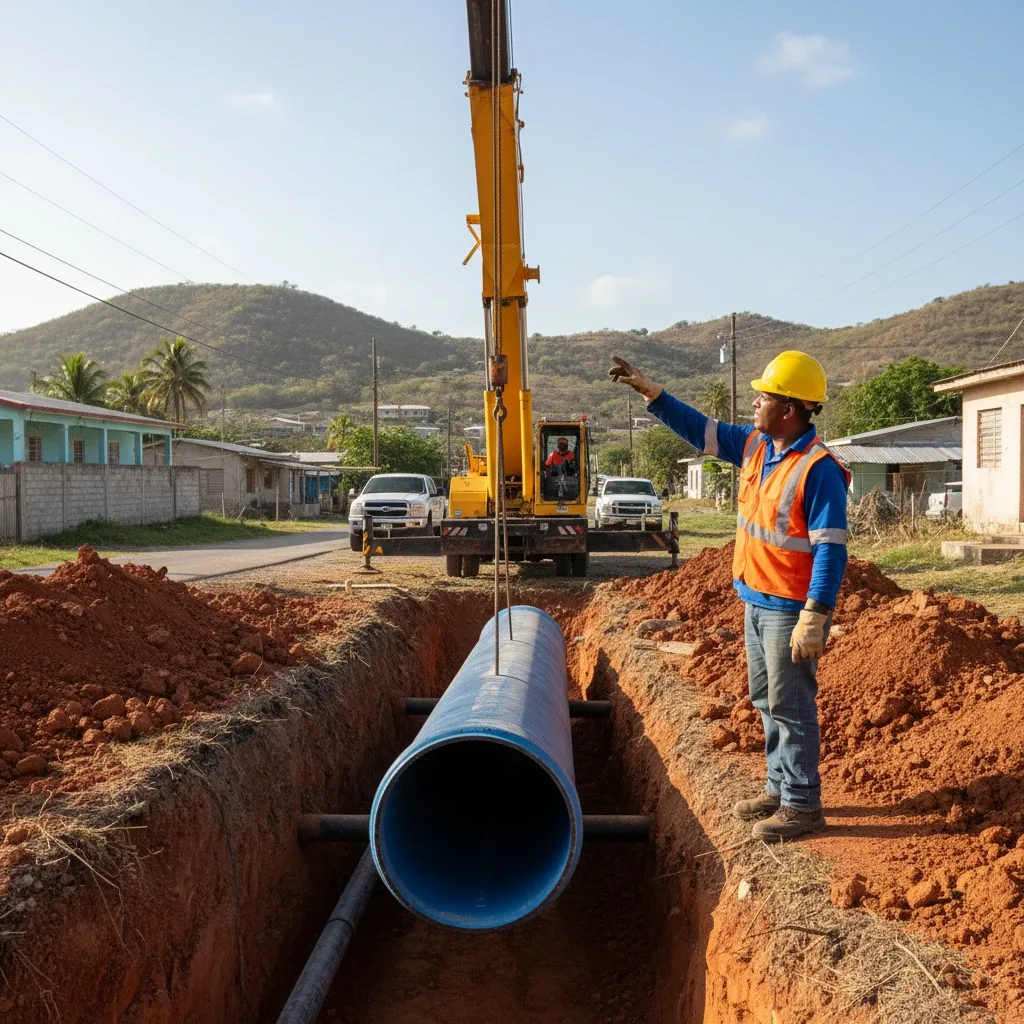
SAN JUAN — A strategic allocation of $45 million in federal funds will target chronic water distribution issues across 12 southern municipalities, according to the Puerto Rico Aqueduct and Sewer Authority. The agency confirmed that the infrastructure project will replace roughly 80 miles of leaking pipelines that have caused persistent local supply disruptions.
Federal Funding Targets South Coast Water Grid
The funding, provided through the Federal Emergency Management Agency's hazard mitigation program, represents the largest single investment in southern water systems this decade. Engineering crews will focus on modernizing filtration plants and upgrading rural aqueduct systems that serve over 120,000 residents.
Local mayors have welcomed the investment, noting that water rationing has become a frequent necessity during dry seasonal periods. The upgrades are designed to increase storage capacity and reduce the high volume of water lost to underground leaks.
Executive Director Outlines System Modernization Details
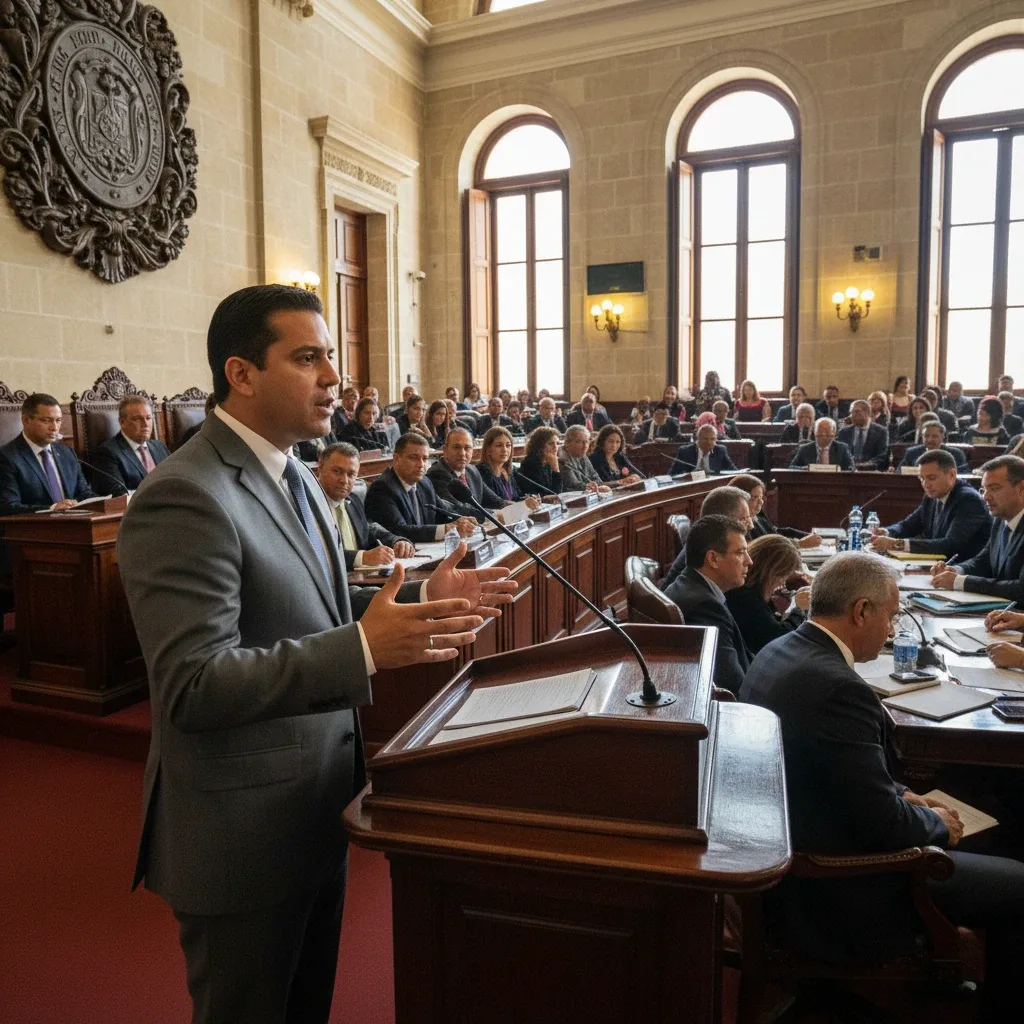
"This $45 million project is not just a patch; it represents a complete overhaul of our distribution systems in areas that have struggled with low pressure for years," PRASA Executive Director Doriel Pagán said during a press conference in Ponce. Pagán added that construction is scheduled to begin in July and will run through late 2027.
This infrastructure push comes at a critical time, as the puerto rico government faces mounting pressure to resolve basic utility failures that affect public health. Recent protests have highlighted community frustration over water quality, such as the protests by Ocean Park residents over ongoing water shortages in metropolitan areas.
Critical Utility Data and Water Shortage Impact
PRASA operations data indicates that the utility currently loses an estimated 58 percent of its treated water due to structural leaks and unauthorized connections. The southern region is particularly vulnerable, with reservoir levels dropping to historic lows during the first quarter of 2026.
These systemic water supply issues have repeatedly impacted local schools and hospitals, forcing administrators to install emergency cisterns. Public health officials emphasize that stabilizing the water supply is essential to preventing sanitation crises in dense urban neighborhoods.
Historical Underfunding of Public Water Works
For decades, PRASA struggled to fund basic maintenance due to its high debt load and limited access to credit markets. The utility was forced to delay major capital improvements, leading to the rapid deterioration of filtration plants built in the mid-20th century.
When global weather patterns brought prolonged droughts to the Caribbean, the aging infrastructure could not adapt to changing conditions. The current federal funding represents a rare opportunity to rebuild these systems using modern, resilient engineering standards.
Future Grid Integration and Conservation Efforts
PRASA plans to install automated pressure-monitoring valves along the new pipelines to identify leaks before they cause major service interruptions. The agency is also launching a public conservation campaign to encourage water-saving practices among agricultural and commercial users.
Environmental groups have expressed support for the modernization but stress that protecting natural watersheds is equally vital. Activists are calling for stricter regulations on industrial water extraction along the south coast aquifers to prevent long-term depletion.
Frequently Asked Questions
Which municipalities will benefit from the new water infrastructure project?
The $45 million project will primarily benefit 12 southern municipalities, including Ponce, Juana Díaz, Salinas, Santa Isabel, and Coamo. These areas have historically experienced the most frequent water service interruptions and water quality issues due to failing pipelines.
Will this project lead to an increase in monthly water rates?
PRASA officials have stated that the $45 million investment is fully funded by federal grants and will not result in rate increases for consumers. However, the agency's long-term master plan does include scheduled inflationary adjustments to support ongoing system operations.
Written by
Newstrix AI
Encanto News