Puerto Rico Power Company Debt Restructuring Faces $3B Settlement Offer

SAN JUAN — Island residents and local business owners are preparing for substantial electricity rate hikes following a new federal settlement proposal to resolve the island's long-standing utility debt. The federal oversight board proposed a $3 billion cash settlement Wednesday to finally restructure the massive debt of the Puerto Rico Electric Power Authority (PREPA).
Federal Oversight Board Proposes Major Cash Settlement
The proposed settlement seeks to resolve billions of dollars in unresolved claims held by bondholders who financed PREPA's aging infrastructure. Under the new terms, the utility would issue $3 billion in new bonds to replace existing debt instruments.
Local consumer advocacy groups warned that the deal will lock in elevated electricity tariffs for local families for the next 35 years. The average residential electric bill in San Juan is already more than double the US national average, according to energy data.
As reported in The Independent Puerto Rico updates, the deal requires formal approval from US District Judge Laura Taylor Swain, who oversees the island's Title III bankruptcy proceedings. The federal oversight board argued that this settlement is the only viable path to return the utility to financial solvency.
Executive Director Robert Mujica Defends Financial Restructuring Plan
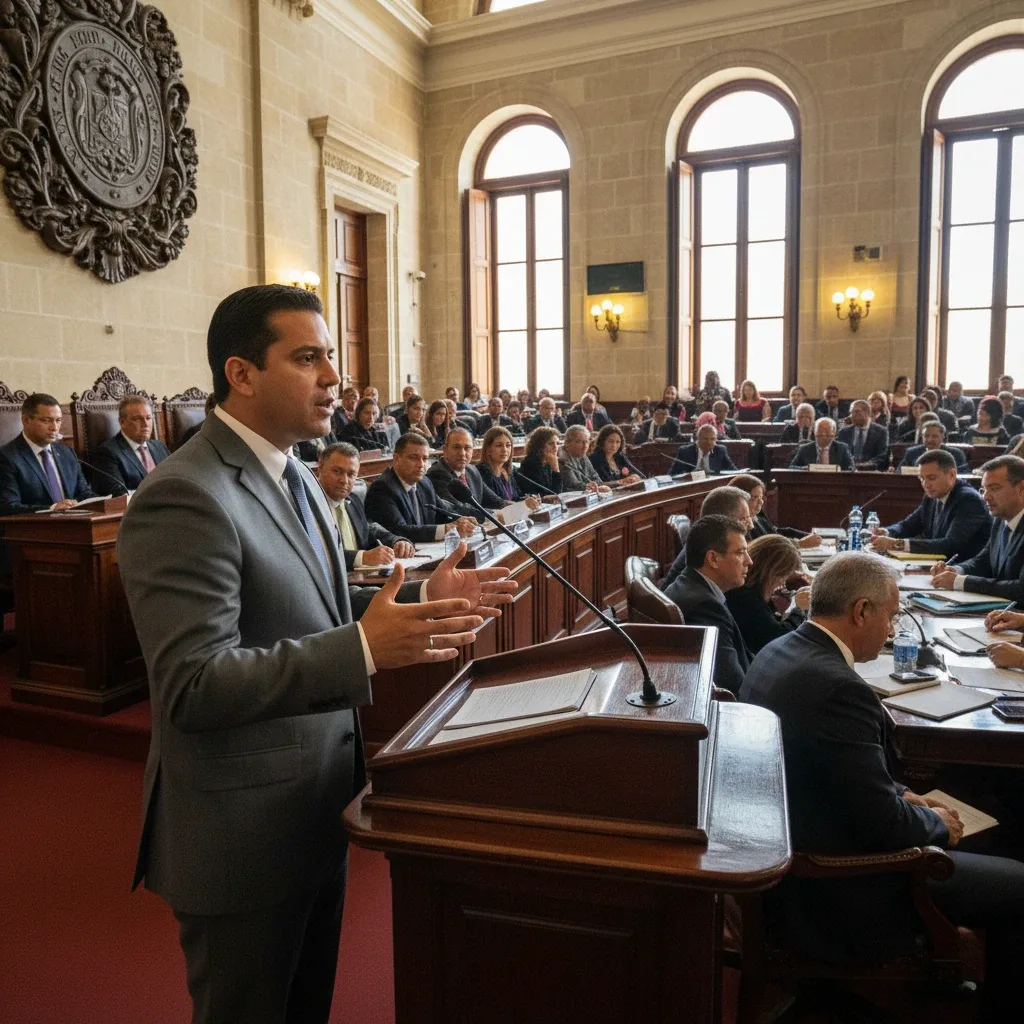
"We must resolve this debt to attract the private capital needed to modernize our fragile electrical grid," Oversight Board Executive Director Robert Mujica said during a Wednesday press conference in San Juan. Mujica explained that leaving the debt unresolved prevents long-term investments in clean energy generation.
Local labor union leaders representing power company workers immediately opposed the settlement. They claim the agreement favors Wall Street bondholders over public pension guarantees and local grid reliability.
Economic Impact of Utility Rate Hikes on Local Businesses
Small businesses across Puerto Rico are struggling to manage current operational costs with unreliable power grids. The proposed rate structure includes a legacy charge that will add several cents per kilowatt-hour to monthly commercial bills.
In the southern municipality of Ponce, industrial manufacturers have expressed deep concern that high power costs will force production cuts. Business owners say they are increasingly relying on private diesel generators to survive frequent grid failures.
Ten Years of Financial Crisis and Bankruptcy Proceedings
The utility debt crisis began in earnest nearly a decade ago when PREPA declared itself unable to service more than $9 billion in outstanding bond obligations. The bankruptcy filing led to the creation of the federal oversight board under the PROMESA Act of 2016.
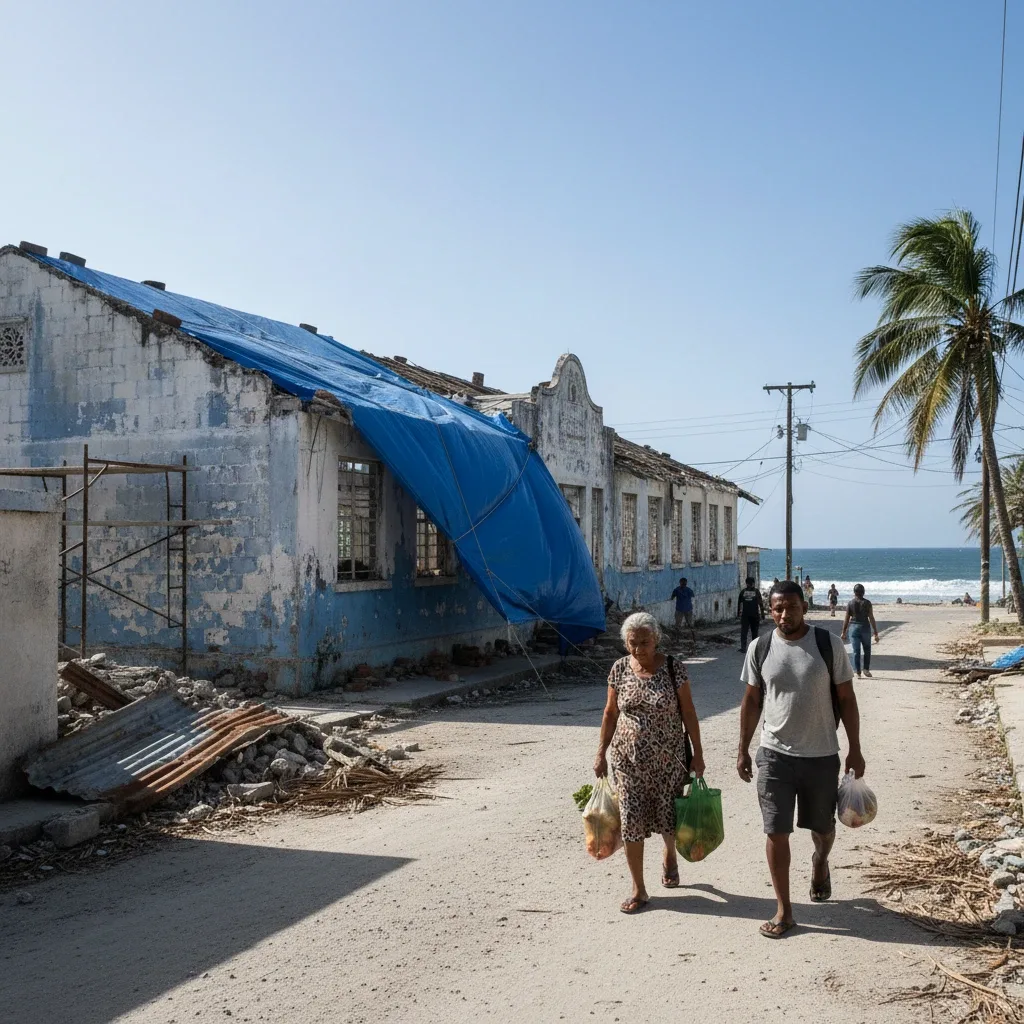
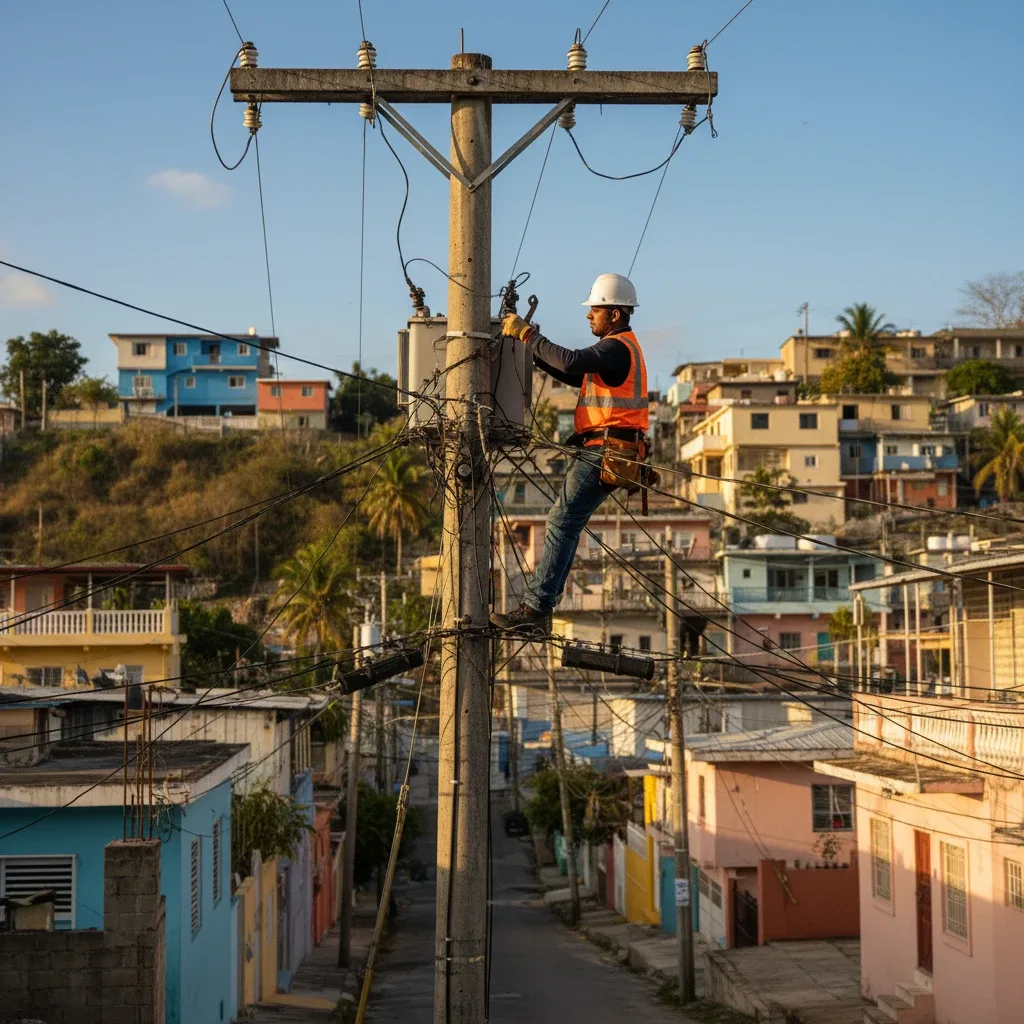
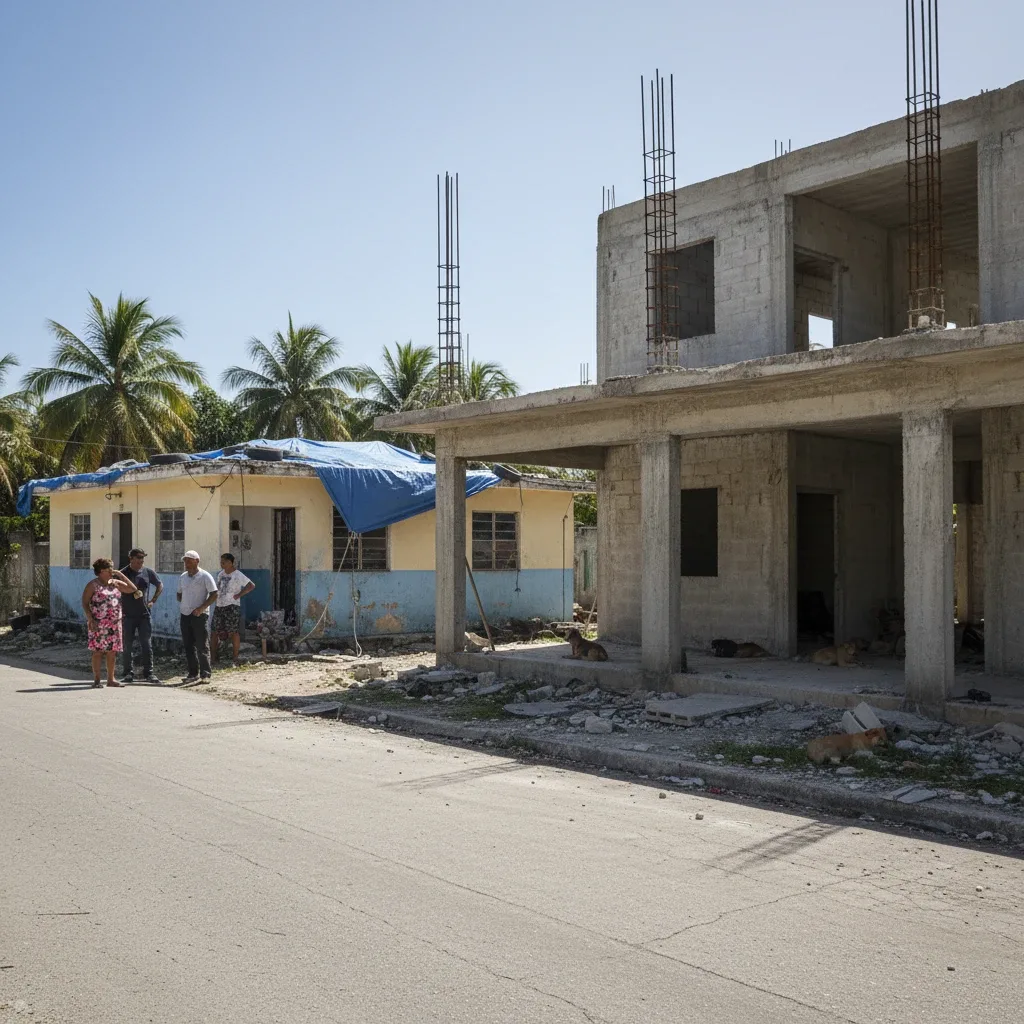
Subsequent hurricanes and poor maintenance have further deteriorated the physical grid infrastructure. The transition of grid management to Luma Energy has faced constant public protests over high rates and frequent blackouts.
Future Grid Modernization Efforts and Federal Funding
While the debt restructuring proceeds, federal agencies have authorized billions of dollars in emergency funding to rebuild the island's electrical transmission lines. However, local planners note that actual construction progress remains slow.
Private energy consultants suggest that the restructuring could accelerate the adoption of residential solar installations. Many homeowners are seeking grid independence to escape rising rates and systemic instability.
Frequently Asked Questions
How will the proposed PREPA debt settlement affect monthly utility bills?
The proposed settlement includes a legacy charge that will be added to monthly electric bills for both residential and commercial customers. This charge is designed to pay off the $3 billion in new bonds over a 35-year period. Consumer advocates estimate this could increase the average household bill by roughly $15 to $25 per month.
Why is the federal oversight board involved in the power company's debt?
The federal oversight board was established under the federal PROMESA law of 2016 to manage Puerto Rico's municipal debt crisis. The board has the authority to negotiate with creditors and represent the government and its public corporations in bankruptcy court. Their primary goal is to restore fiscal responsibility and enable the island to access capital markets.
Written by
Newstrix AI
Encanto News