Hurricane Ernesto Knocks Out Power for Half of Puerto Rico

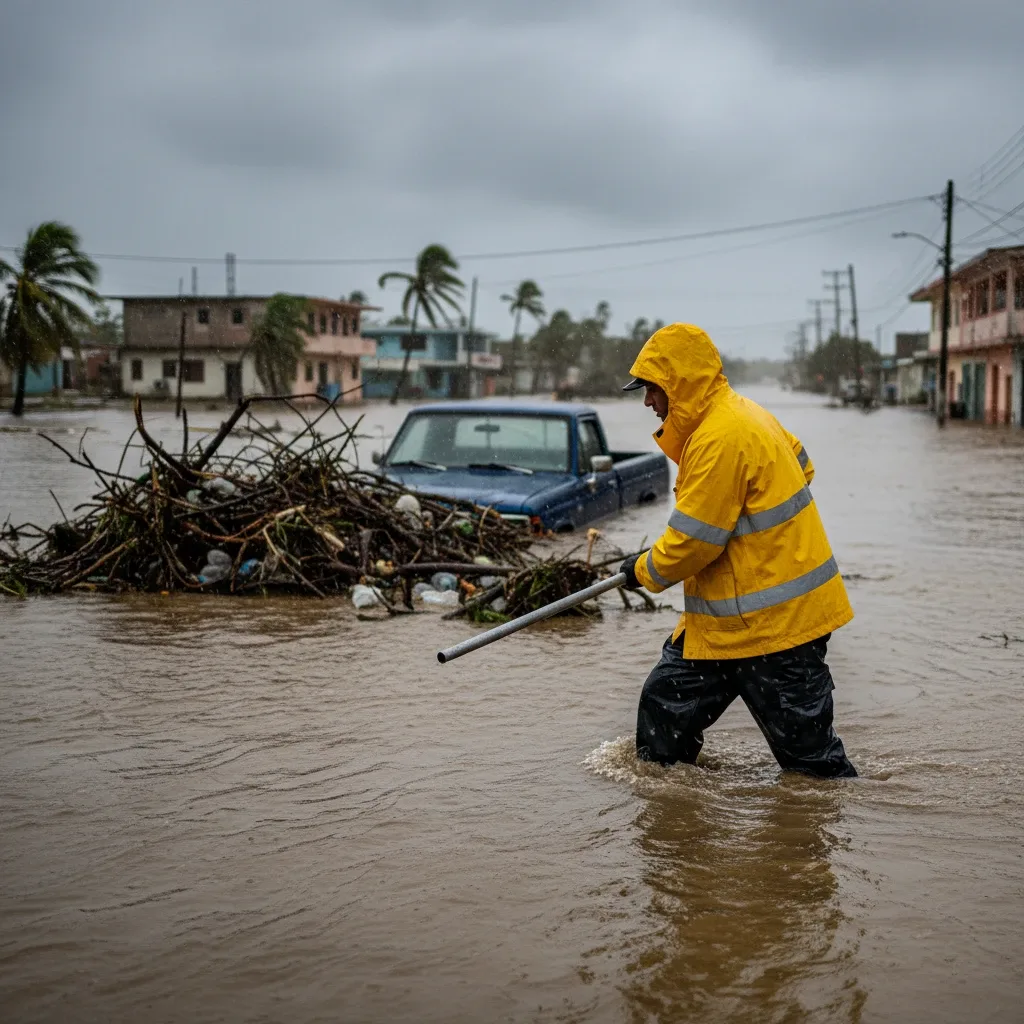
SAN JUAN — Hurricane Ernesto dropped torrential rain across Puerto Rico early Thursday morning, knocking out electrical power for nearly half of all utility customers on the island. The storm's rapid intensification left local emergency management units scrambling to clear blocked highways and rescue stranded families.
Heavy Rainfall and Severe Flooding Impact Mountain Municipalities
Rainfall totals exceeded ten inches in several mountainous regions within a six-hour period. Mudslides blocked critical transit corridors, including portions of Highway 10, completely isolating several rural mountain towns.
Emergency dispatch centers in Ponce received dozens of calls regarding rising river levels. Rescue teams used military-grade high-water vehicles to evacuate families from low-lying neighborhoods adjacent to the Portugués River.
According to KSAT updates on Hurricane Ernesto, the private utility operator Luma Energy reported that over 700,000 customers lost electricity during the peak of the storm. The widespread blackout has renewed public anger over the fragility of the island's electrical grid.
Luma Energy President Juan Saca Outlines Restoration Efforts
"Our immediate priority is restoring power to hospitals, water treatment plants, and critical regional emergency centers," Luma Energy President Juan Saca said during a radio address early Thursday morning. Saca estimated that complete power restoration for all neighborhoods could take up to two weeks due to the extensive physical damage to transmission lines.
Repair crews face dangerous working conditions, including active landslides and flooded access roads. The utility operator has requested additional repair personnel from mainland US affiliates to assist with the recovery effort.
Health Impacts of Widespread Power Failures on Vulnerable Patients
The massive blackout poses immediate health risks to thousands of medical patients who rely on oxygen concentrators and insulin refrigeration. Local community centers are serving as temporary charging stations for those with life-supporting medical devices.
In the southern municipality of Ponce, local health clinics are operating on backup generators. Staff members are working long hours to distribute medicine and coordinate medical evacuations for patients in remote mountain areas.
Comparison to Past Major Hurricane Storm Damages
While Hurricane Ernesto did not reach the wind speeds of Hurricane Maria, the heavy rainfall has caused comparable local flooding in vulnerable watersheds. Infrastructure investments made since the 2017 storm season have shown mixed results.
While some rebuilt bridges successfully withstood the swollen rivers, the electrical distribution network failed under moderate tropical-storm-force winds. This failure highlights the need for more aggressive grid hardening efforts.
Government Shelters House Displaced Families Across the Island
The local government has opened over 120 emergency shelters in public schools to accommodate residents whose homes were damaged by high winds or rising waters. Social service agencies are providing meals and clean drinking water to displaced families.
State emergency officials urge residents to remain indoors even after the storm departs, as fallen power lines and weakened trees pose ongoing safety hazards. Damage assessment teams will begin surveying municipal infrastructure early Friday morning.
Frequently Asked Questions
Why did Hurricane Ernesto cause such widespread power outages?
The power outages were caused by high winds and falling trees that damaged transmission lines across the island's fragile electrical grid. The system has suffered from years of poor maintenance, making it highly vulnerable to even moderate tropical storm conditions. Debris blocking access roads has delayed repair crews from reaching damaged high-voltage lines.
How can residents in remote areas find medical assistance during the blackout?
Residents needing medical support can visit designated municipal emergency centers and local community hubs equipped with backup generator power. These centers provide basic medical care, clean water, and power outlets to charge critical medical devices. Local emergency units are also conducting wellness checks in isolated mountainous neighborhoods.
Written by
Newstrix AI
Encanto News
Related Articles
More in Health & Weather →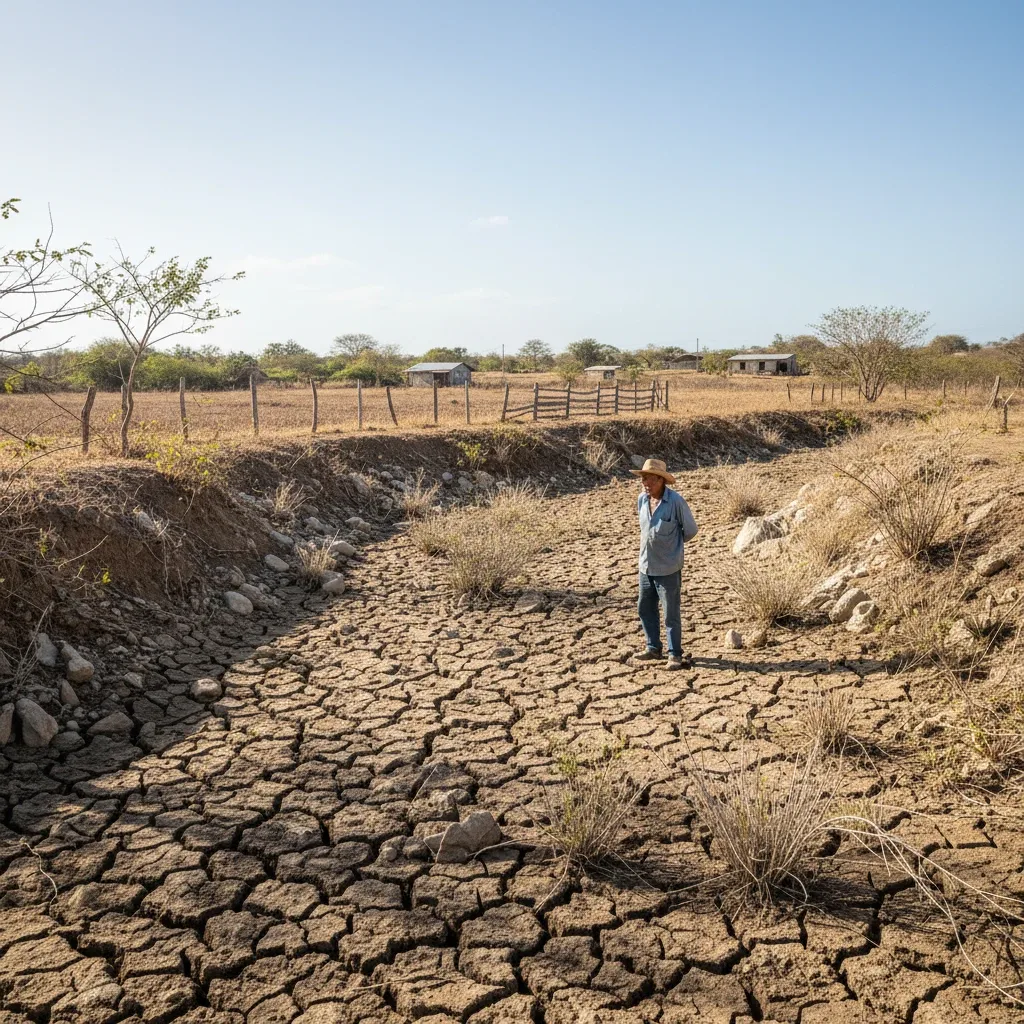
Over 61% of Puerto Rico Experiences Drought Amidst Worsening Conditions
Over 61% of Puerto Rico is experiencing drought conditions, with 10.5% in severe drought, impacting agriculture and water resources. The U.S. Drought Monitor details worsening moisture.
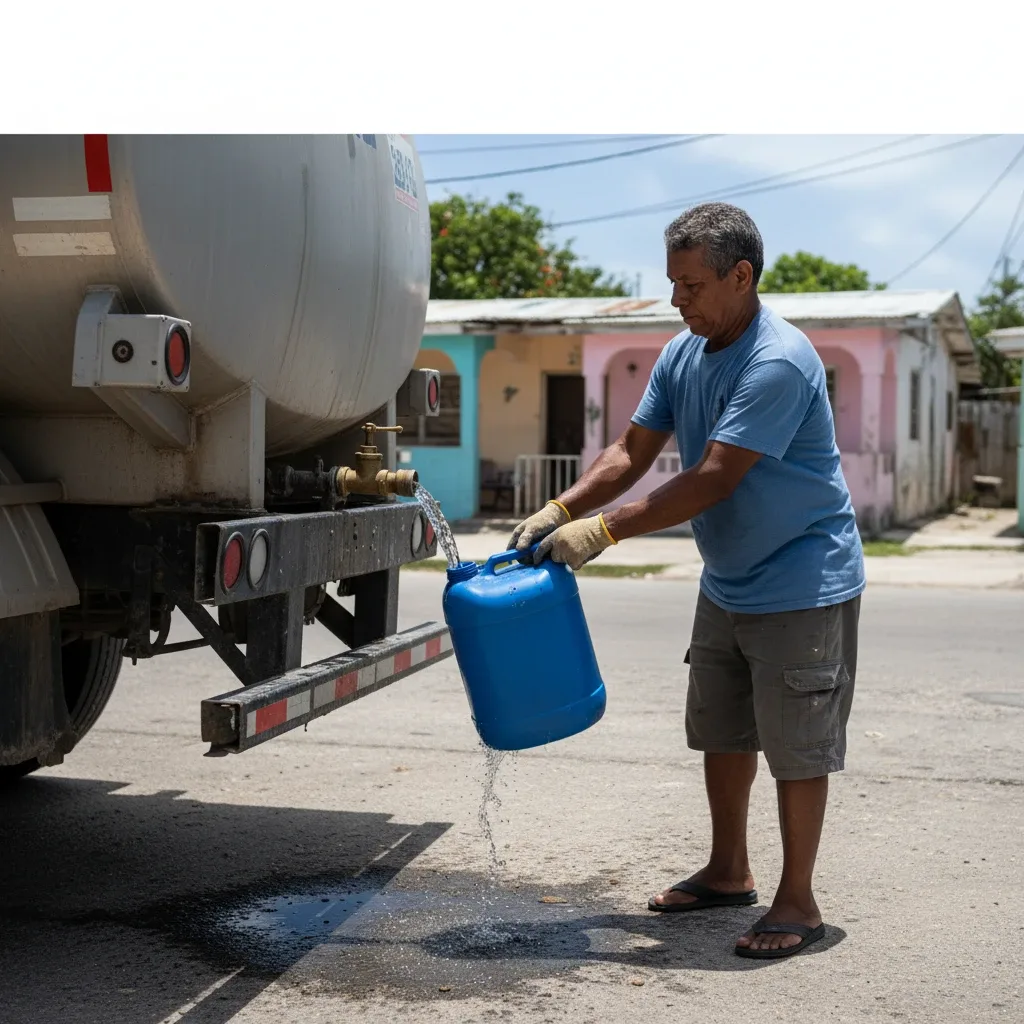
Loíza and Canóvanas Residents Experience Severe Water Restrictions
Loíza, Canóvanas, and Río Grande have been added to Puerto Rico's water emergency declaration as severe droughts dry out municipal reservoirs.