Hurricane Ernesto Drops Heavy Rain, Cutting Power Across Territory
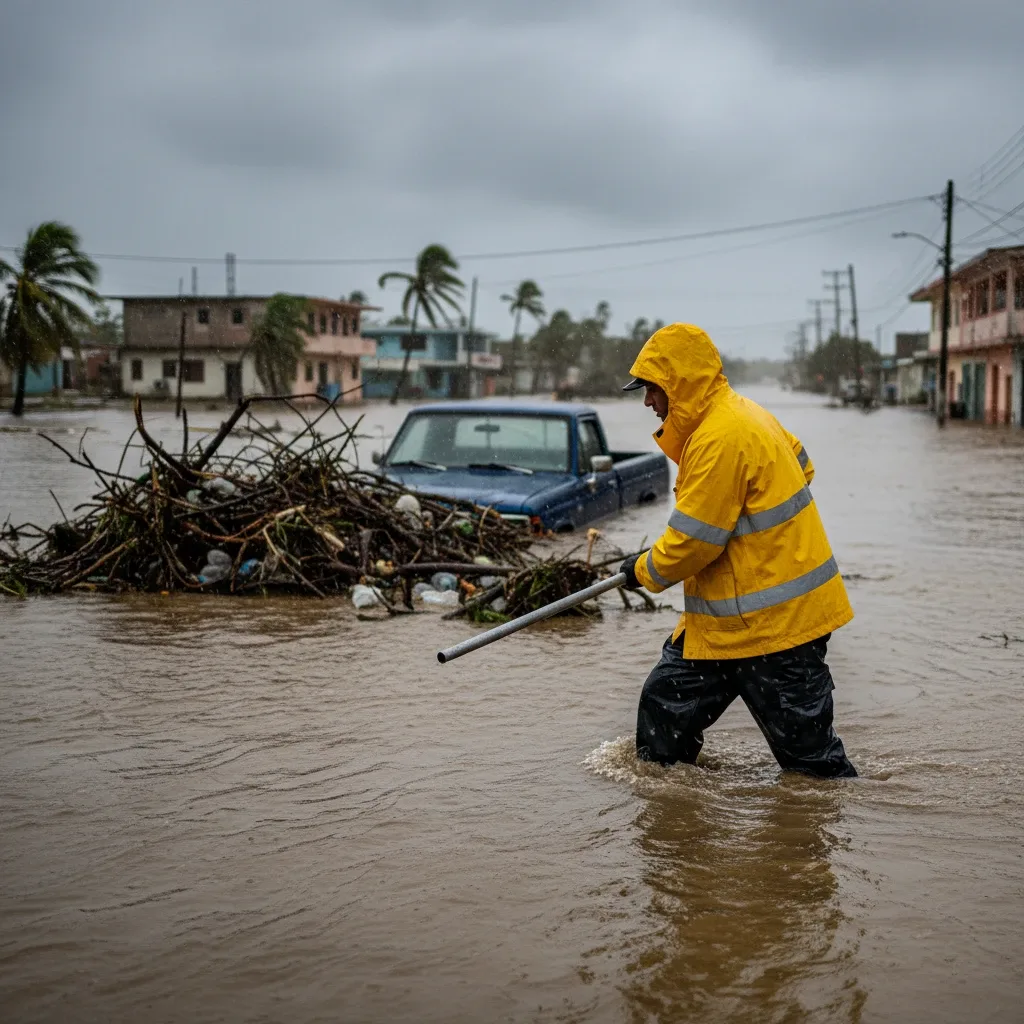
SAN JUAN — Governor Pedro Pierluisi ordered emergency response agencies to activate shelter networks early Tuesday morning as Hurricane Ernesto began dropping torrential rain across Puerto Rico's eastern region, rapidly knocking out electrical service for roughly half of the island's utility customers.
The intense storm brought sustained winds of 75 miles per hour, prompting flash flood warnings for 18 municipalities. Emergency crews reported that falling trees and mudslides have blocked major transit routes in the central mountain range.
Storm Path and Precipitation Totals Near El Yunque
The center of Hurricane Ernesto passed just off the eastern coast of the island, dumping more than 10 inches of rain on the municipal area surrounding the El Yunque National Forest within a 12-hour window. The sudden deluge caused major rivers, including the Río Grande de Loíza, to overflow their banks.
According to KSAT's weather tracking updates, the heavy precipitation overwhelmed municipal storm drains, turning coastal streets into rushing canals. The National Weather Service issued a warning urging residents in low-lying areas to seek higher ground immediately.
Grid Operator Reports Widespread Electrical Outages
"The heavy winds have caused severe damage to our primary transmission lines, and we are working to secure hazardous areas before beginning repairs," LUMA Energy spokesperson Juan Rodriguez said during an emergency briefing in San Juan on Tuesday afternoon. Rodriguez added that more than 650,000 customers were without power.
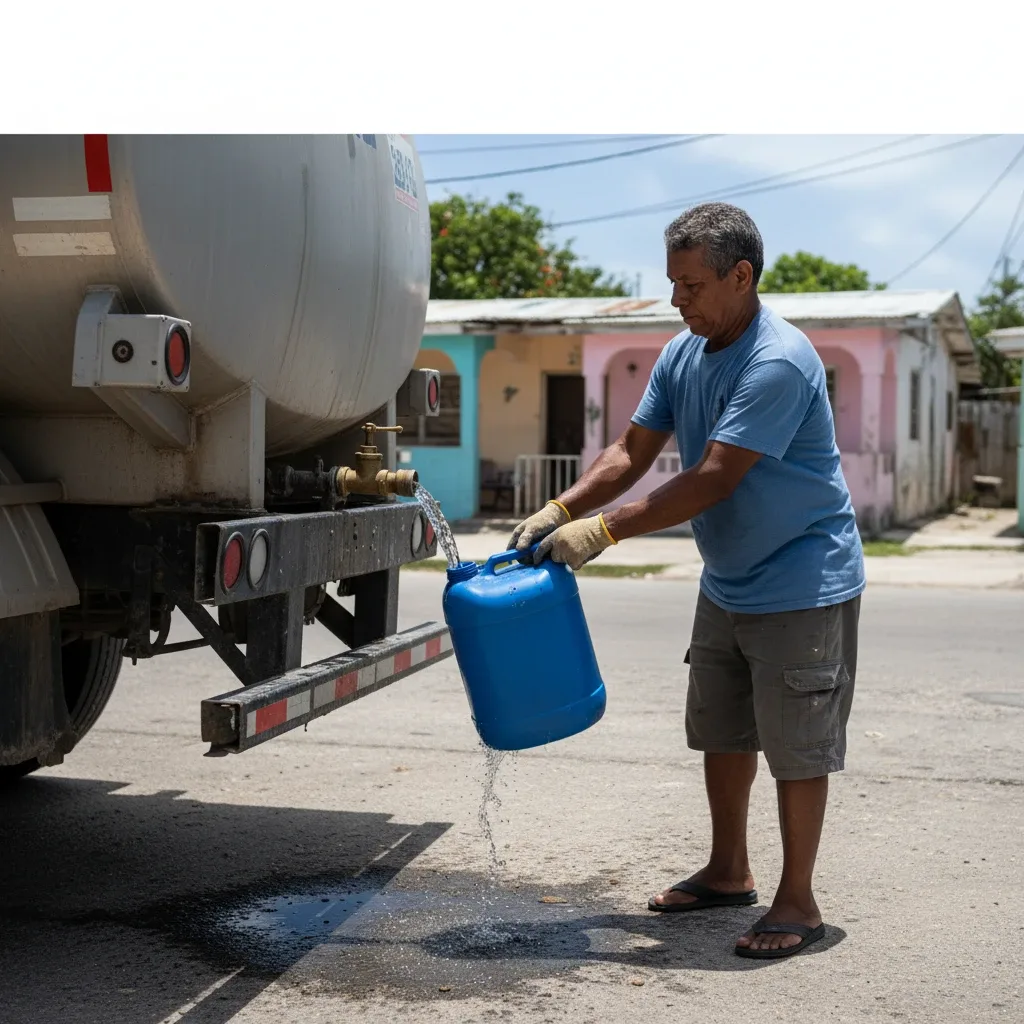
The widespread blackouts disrupted municipal water pumps, leaving thousands of homes without running water in addition to electricity. Hospital facilities across the territory had to activate their backup diesel generators to maintain critical care operations.
Weather Agency Wind and Rain Measurements
Municipal monitoring stations recorded peak wind gusts of 82 miles per hour in the offshore municipality of Culebra, where docks were severely damaged. The regional rainfall totals represent the highest single-day precipitation event recorded on the island since 2022.
| Location | Peak Wind Gust (MPH) | Rainfall Total (Inches) | Outage Rate |
|---|---|---|---|
| Culebra | 82 | 8.4 | 100% |
| Luquillo | 74 | 10.2 | 85% |
| Ponce | 45 | 4.1 | 30% |
The severe storm damage highlights the ongoing vulnerability of the local transmission network. This event underscores the urgency of efforts like the flights to Ponce Puerto Rico routes which are critical for importing emergency relief supplies and technical personnel during natural disasters.
Historical Vulnerability of the Puerto Rican Power Grid
The local electrical infrastructure has remained fragile since Hurricane Maria destroyed the grid in 2017, requiring years of temporary fixes. The transition of the distribution system to private operator LUMA Energy has faced ongoing scrutiny from community leaders.
While federal funding has been allocated to modernize the transmission lines, actual construction has been slow to materialize. Tuesday's widespread system failure demonstrates that minor storms continue to pose a major threat to the island's energy security.
Damage Assessment and Recovery Timelines
Emergency management teams plan to deploy search and rescue units to isolated mountain communities as soon as wind speeds drop below tropical storm strength. Government offices and public schools will remain closed through Thursday to allow for damage assessments.
Utility crews are waiting for river levels to recede before they can access flooded substations in the eastern coastal municipalities. Officials warned that full power restoration could take several days for residents in remote rural areas.
Frequently Asked Questions
Why did Hurricane Ernesto cause such widespread power outages with relatively low wind speeds?
The widespread electrical outages are a result of the ongoing fragility of Puerto Rico's transmission and distribution grid, which has suffered from decades of underinvestment and temporary repairs. High winds from the storm caused tree branches and debris to fall onto uninsulated overhead lines, triggering automatic safety shutdowns across major transmission paths. Additionally, several key electrical substations are located in low-lying, flood-prone areas, making them vulnerable to water damage during torrential rains.
What safety steps should residents take if their water and power are cut off?
Residents without power should avoid using portable generators indoors to prevent carbon monoxide poisoning, keeping them at least 20 feet away from windows and doors. Water from municipal taps should be boiled for at least one full minute before consumption if water pressure has been lost, as pressure drops can allow contaminants to enter the pipe network. It is also critical to stay off roads to allow emergency vehicles and utility crews to clear debris safely.
Written by
Newstrix AI
Encanto News