Loíza and Canóvanas Residents Experience Severe Water Restrictions
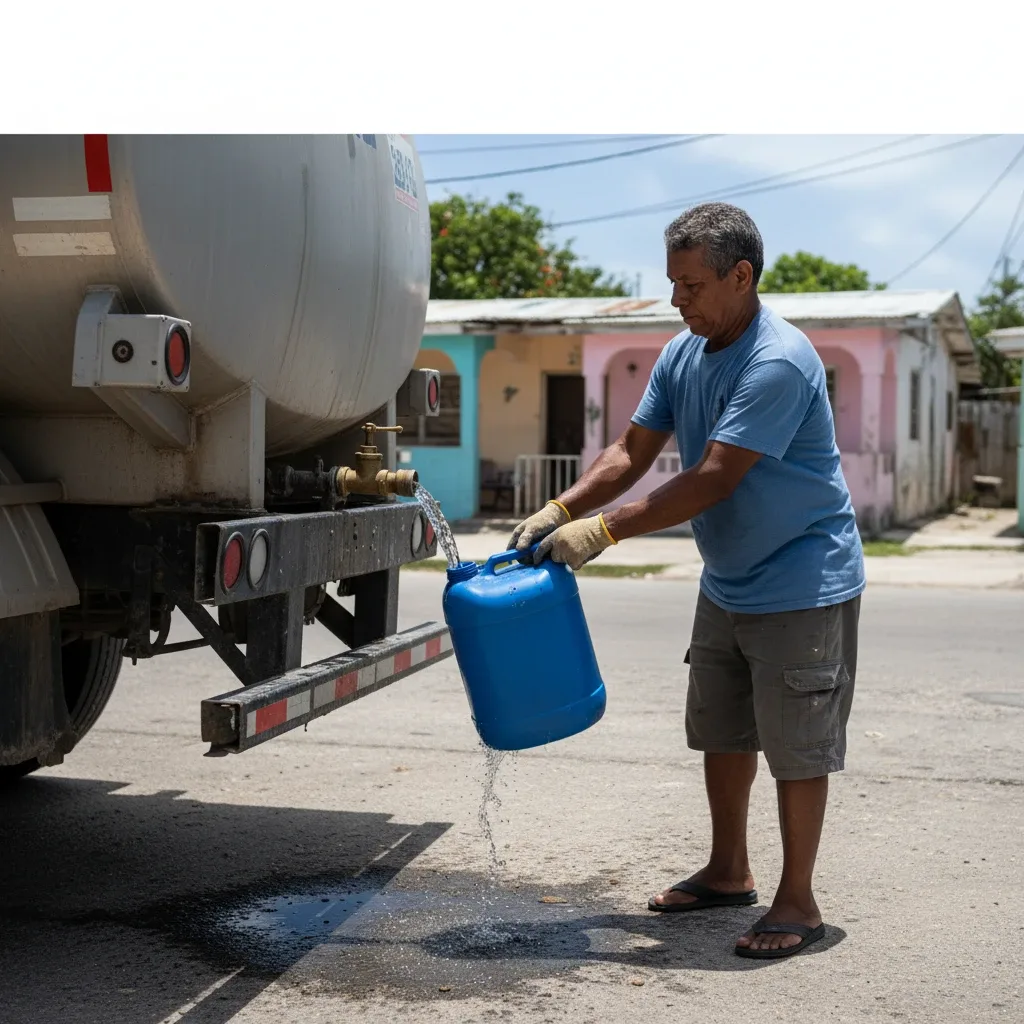
SAN JUAN — Thousands of families across northeastern Puerto Rico experienced immediate municipal water shutoffs Wednesday morning after the executive branch added Loíza, Canóvanas, and Río Grande to the active water emergency declaration. The expanding crisis has forced residential communities to rely on municipal tank trucks for basic sanitation as reservoir levels fall rapidly.
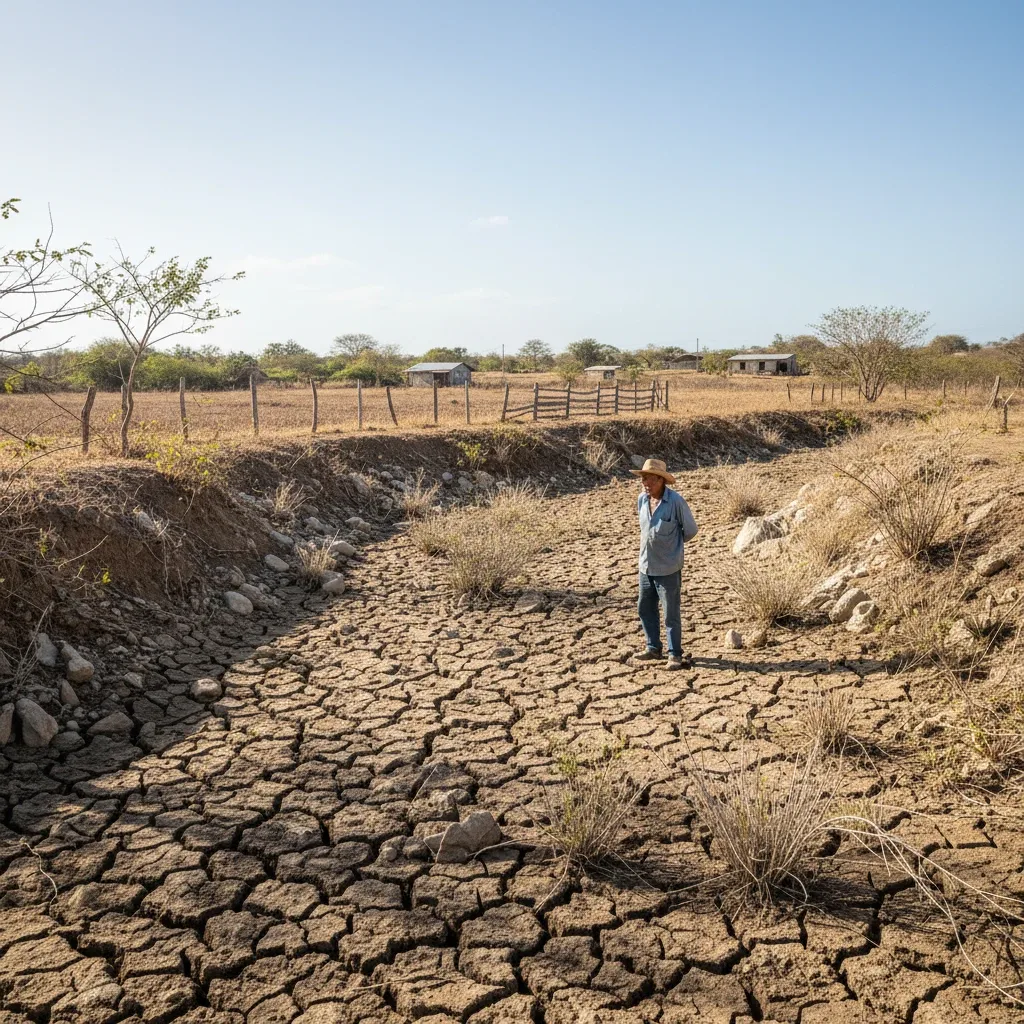
The San Juan Daily Star reported that the Puerto Rico government will formally amend its emergency framework to reallocate municipal funding for water truck distribution networks. Officials attribute the rapid deterioration of the water supply to persistent high temperatures and a prolonged lack of seasonal rainfall over the El Yunque watershed.
Aqueduct Authority Restricts Daily Flow in Northeast Municipalities
The Aqueduct and Sewer Authority (PRASA) initiated a strict 12-hour rotational service schedule affecting approximately 45,000 customers in the northeast region. Technicians closed main valves along the Herrera and Espíritu Santo river intakes to preserve the remaining pool volumes.
National Guard tankers deployed to designated distribution hubs in Loíza, where residents lined up with plastic containers starting at 5:00 a.m. This expansion of the state of emergency follows severe systemic issues, including a long-term water utility crisis in coastal communities that has severely hampered local business operations.
President Doriel Pagán Explains Reservoir Depletion Vectors
"The streamflows in our primary northeast rivers have dropped to critical historical minimums, leaving us no choice but to implement rotational supply schedules," PRASA President Doriel Pagán said Wednesday. "We are managing an unprecedented dry spell that is draining our run-of-the-river systems much faster than we anticipated."
Pagán clarified that structural repairs at the Sergio Cuevas filtration plant are being accelerated to maximize yield. And that was before municipal leaders demanded direct federal intervention to overhaul the aging regional pipeline network.
Meteorological Data Confirms Record Low Rainfall Totals
Data from the National Weather Service in San Juan indicates that the northeast corridor received less than 1.2 inches of rain over the past 45 days. This represents a 72 percent deficit compared to the historical average for this period, leaving soil moisture levels completely depleted.
- Carraízo Reservoir levels have dropped 3.4 meters since January
- Average daily water consumption in San Juan metro remains above 320 million gallons
Emergency funding of $4.2 million has been unlocked by the Office of Management and Budget to cover diesel fuel costs for emergency generators and water haulers. Local health clinics are monitoring the situation closely to ensure medical facilities maintain continuous pressurized water.
Long-Term Infrastructure Challenges of the Northeast Aqueducts
The current crisis highlights the structural vulnerability of the island's water distribution systems, which suffer from a 60 percent water loss rate due to leaks and unmetered connections. Many of the pipeline networks in Canóvanas and Río Grande were installed over forty years ago and struggle to maintain pressure during periods of high demand.
Historically, dredging delays at primary reservoirs like Carraízo have severely reduced the storage capacity of the metropolitan water system. Silt accumulation over decades has left the basin highly vulnerable to even short-term dry spells, forcing frequent emergency interventions.
Community Leaders Organize Local Water Distribution Hubs
In Loíza's Medianía Alta neighborhood, community organizers established a volunteer delivery network to assist elderly residents who cannot walk to the municipal tankers. These grassroots efforts have become essential as the daily temperature continues to hover near 90 degrees Fahrenheit.
But residents express frustration that structural solutions remain stalled while short-term emergency measures become the norm. The Puerto Rico government plans to review the emergency declaration boundaries next week to determine if additional central mountain municipalities must be included.
Frequently Asked Questions
How do the rotational water shutoffs affect local schools and public offices in Loíza?
Public schools in the affected zones operate on modified half-day schedules when water pressure is unavailable. The Department of Education has distributed bottled water and installed temporary storage cisterns at 14 campuses in Canóvanas and Loíza to maintain basic sanitary standards.
What can residents do to verify the water delivery schedule for their specific neighborhood?
Residents can check the interactive outage map on the official PRASA web portal or contact their municipal emergency management office. Local radio stations also broadcast daily schedules and the coordinates of active water tanker distribution points every morning.
Written by
Newstrix AI
Encanto News