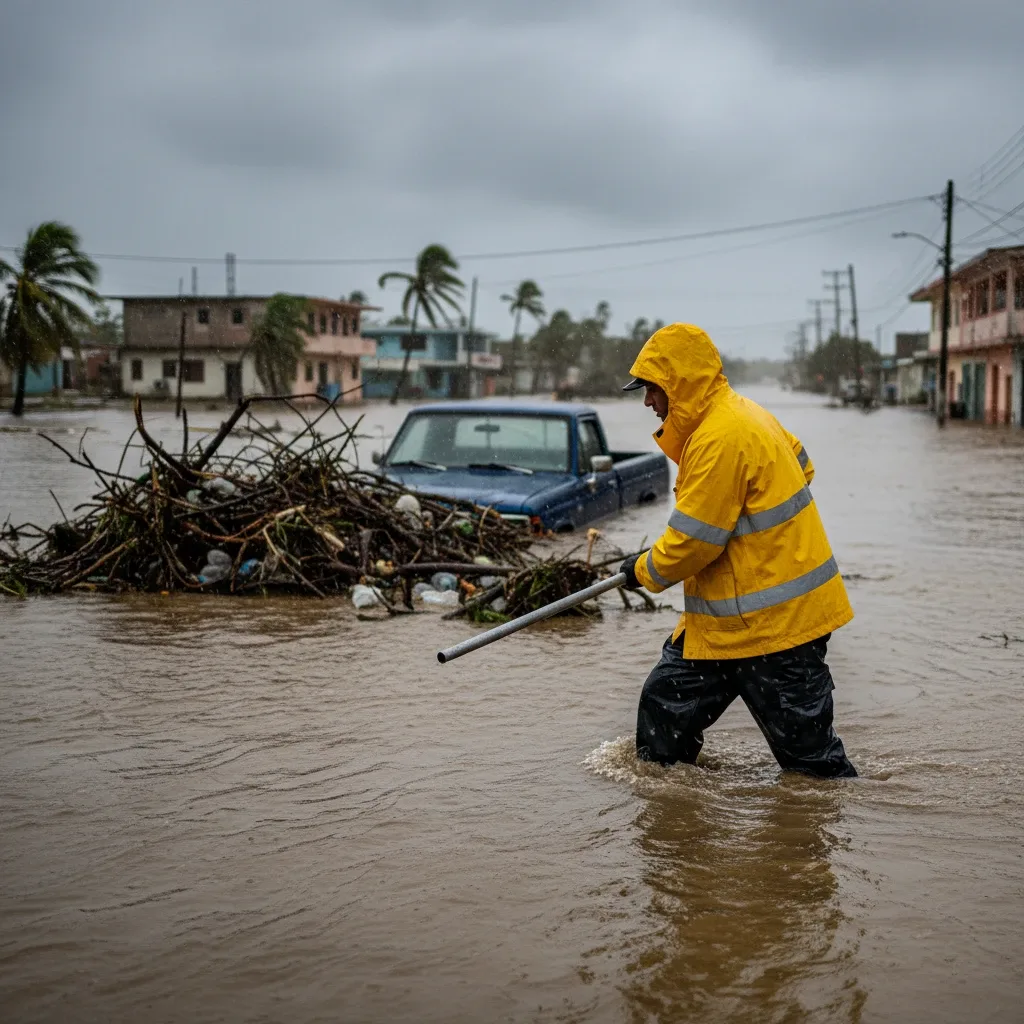
Puerto Rico Coastal Communities Prepare for Severe Weather Seasons

PRÉSTAMO — Coastal residents in northern Puerto Rico are constructing emergency flood barriers and reinforcing structures as regional meteorologists warn of an active tropical weather pattern starting this week. Local municipal authorities have distributed sandbags to over 500 households in low-lying sectors of Arecibo and Manatí.
Municipalities Launch Coastline Fortification Efforts
Municipal emergency management teams are clearing drainage channels and trimming heavy vegetation near power lines along Route 681. Local coastal neighborhoods have experienced severe erosion over the past decade, leaving homes increasingly vulnerable to high-tide flooding.
Several community organizations have established volunteer networks to assist elderly residents with shutter installations. Local shelters have been inspected and stocked with emergency medical supplies, water, and non-perishable food.
National Weather Service Coordinator Urges Early Preparation
"The ocean temperatures in the tropical Atlantic are currently matching record highs, which increases the likelihood of rapidly intensifying storms near our coastlines," National Weather Service Coordinator Ernesto Morales said Thursday morning. Morales added that families should finalize their emergency communications plans before peak activity begins in August.
This weather warning comes during a challenging period for the island's utility networks, which have struggled to maintain stability during heavy rainfall. To understand the challenges of local power delivery, it is helpful to look at how LUMA Energy's grid management impacts daily safety when storms threaten the territory. Residents are also dealing with ongoing water distribution challenges in urban zones, making basic utility planning even more critical.
Extreme Climate Trends and Sea-Level Data
According to data from the Caribbean Coastal Ocean Observing System, sea levels around Puerto Rico have risen an average of 1.4 inches over the last decade. This rise has accelerated beach erosion, particularly along the popular tourist corridors of Condado and Ocean Park.
During high-tide cycles, seawater now routinely flows into storm drains, flooding streets in urban San Juan even in the absence of rain. Emergency coordinators emphasize that these rising baselines make proactive coastal planning essential for all seaside communities.
Historical Precedents of Coastal Storm damage
The memories of Hurricane Maria in 2017 and Hurricane Fiona in 2022 remain fresh in the minds of coastal residents. Those storms caused historic landslides and destroyed major bridges in the mountainous interior, isolating communities for weeks.
Coastal defenses, including natural mangrove forests and coral reefs, were severely degraded during those extreme events. Current environmental initiatives are focusing on restoring these natural barriers to protect coastal developments from future storm surges.
Future Infrastructure Resiliency Projects
The Department of Natural and Environmental Resources has proposed a series of sand dune restoration projects along the northern coast. These projects aim to rebuild natural barriers using native vegetation and recycled organic materials.
However, funding for these ecological projects remains limited, prompting communities to develop local preservation guidelines. Volunteers along the coast are working to clear plastic debris and monitor sea turtle nesting grounds during the storm season.
Frequently Asked Questions
Where can residents obtain official local weather alerts and shelter locations?
Residents can access real-time weather alerts and official shelter listings through the Puerto Rico Emergency Management Bureau (NMEAD) website or by downloading the federal emergency mobile application. Local radio stations also broadcast regular updates in coordination with the National Weather Service in San Juan.
What measures are being taken to protect the electric grid from storm damage?
Utility operators are conducting extensive tree-trimming campaigns along major transmission corridors to prevent falling branches from knocking out lines. Additionally, emergency substation barriers are being installed in flood-prone areas to protect sensitive electrical equipment from water damage.
Written by
Newstrix AI
Encanto News
Related Articles
More in Health & Weather →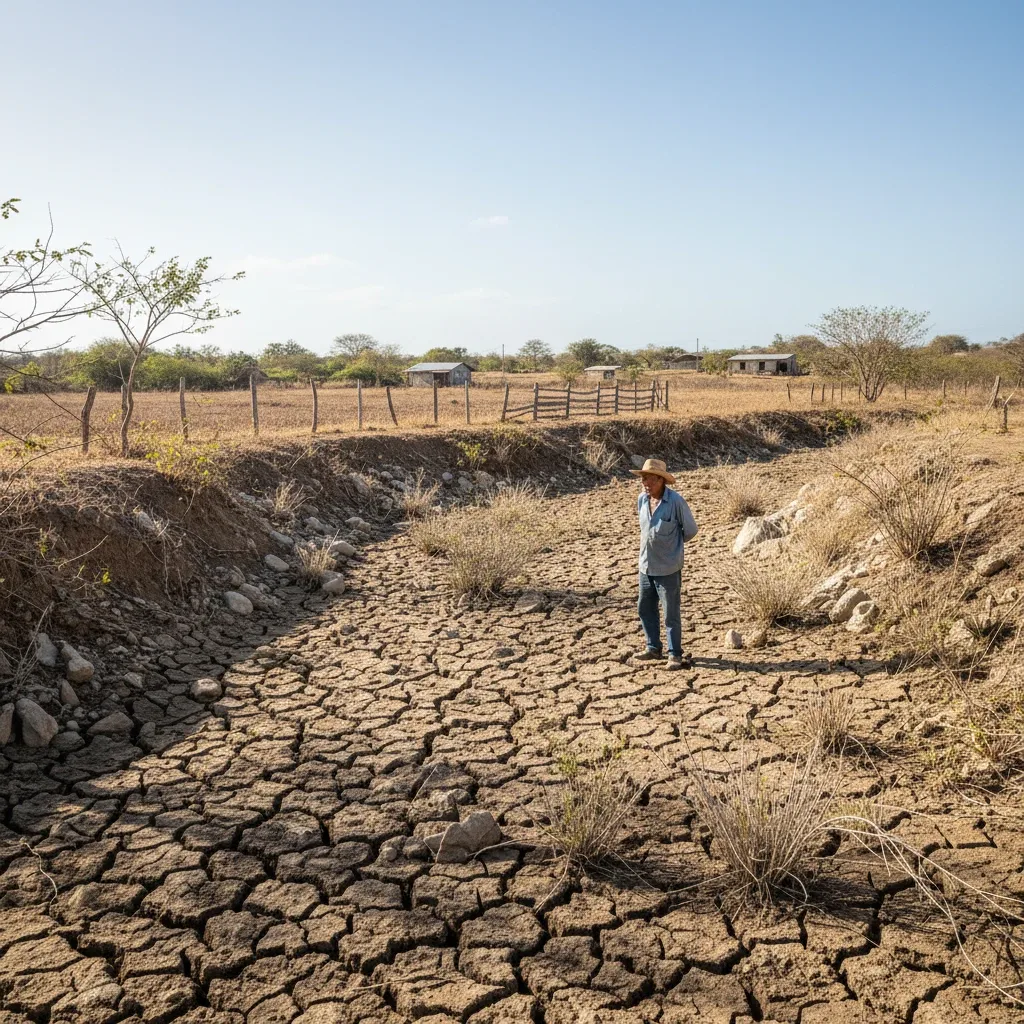
Over 61% of Puerto Rico Experiences Drought Amidst Worsening Conditions
Over 61% of Puerto Rico is experiencing drought conditions, with 10.5% in severe drought, impacting agriculture and water resources. The U.S. Drought Monitor details worsening moisture.
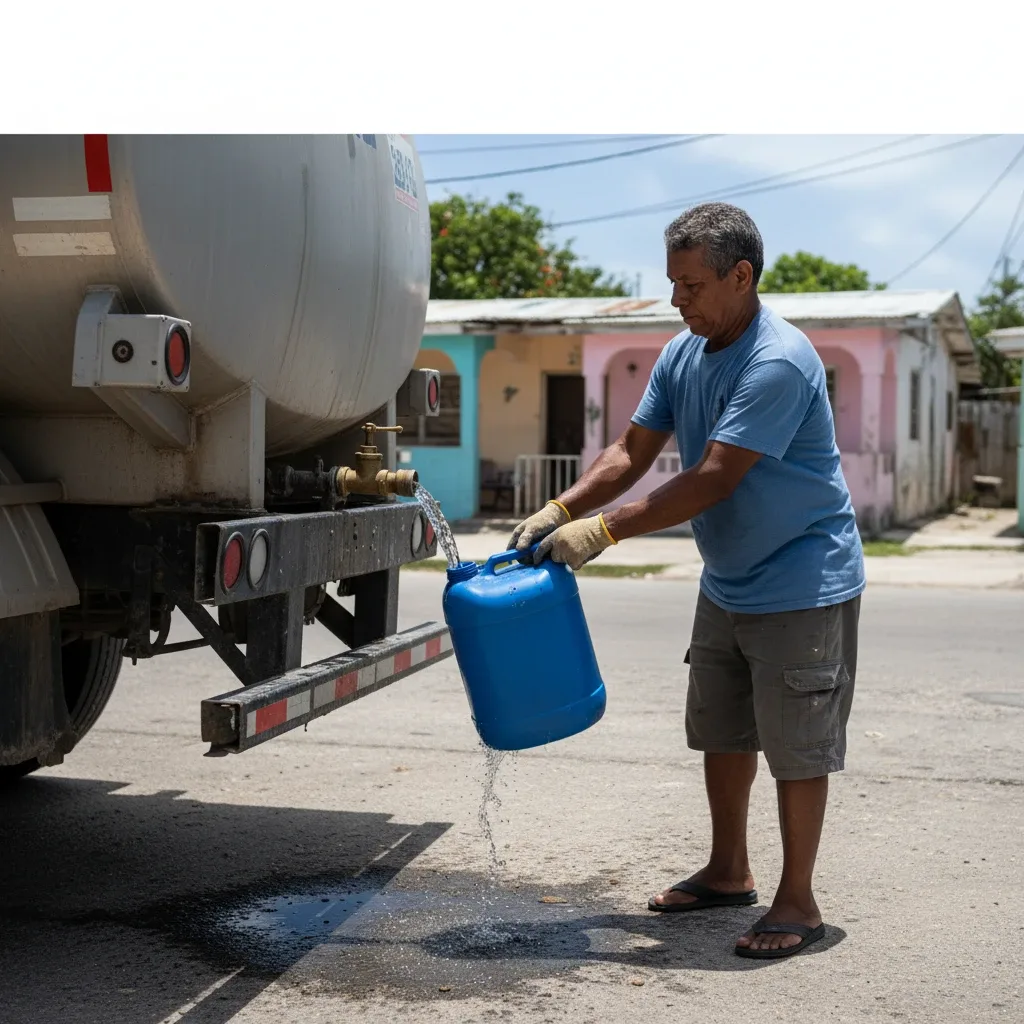
Loíza and Canóvanas Residents Experience Severe Water Restrictions
Loíza, Canóvanas, and Río Grande have been added to Puerto Rico's water emergency declaration as severe droughts dry out municipal reservoirs.