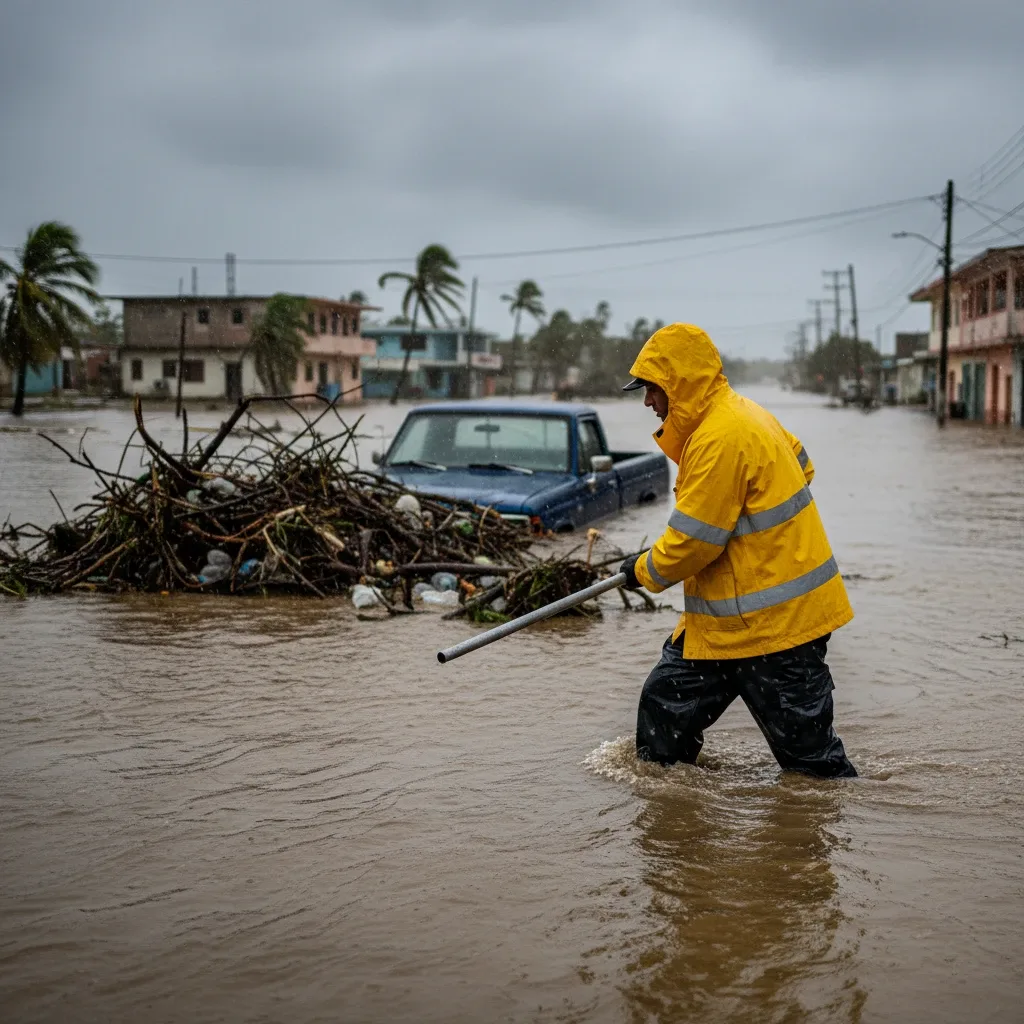
Over 61% of Puerto Rico Experiences Drought Amidst Worsening Conditions
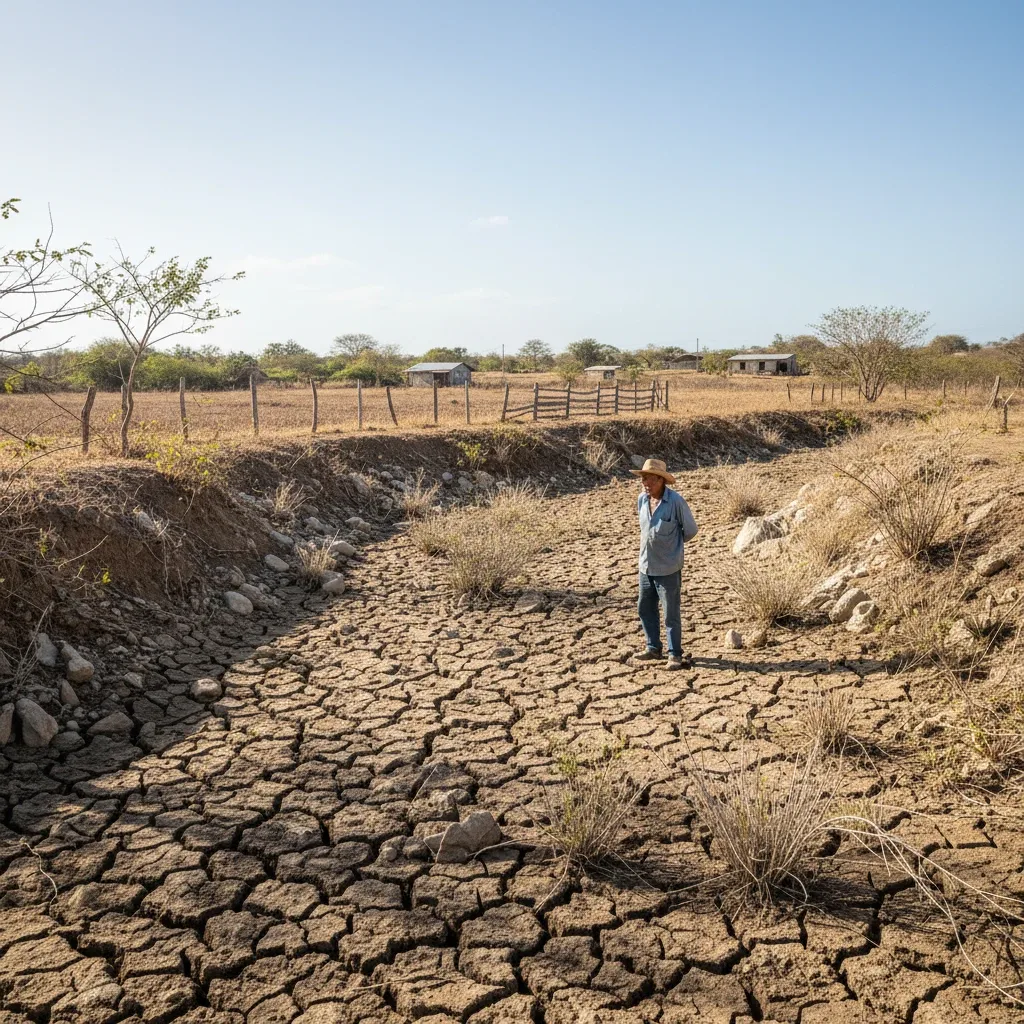
SAN JUAN — Approximately 61.4% of Puerto Rico is currently experiencing some level of drought, with 50.9% in moderate drought and 10.5% in severe drought as of July 7 data, according to the U.S. Drought Monitor. This widespread dry spell is significantly impacting agriculture and water resources across the island.
The deterioration of moisture conditions signals a challenging period for residents and the environment. Persistent dry weather patterns contribute to the severity of the drought.
Drought Monitor Reports Widespread Dryness
The latest U.S. Drought Monitor report indicates a significant expansion of drought conditions over the past month. Central and southern regions of the island are particularly affected by the moderate and severe classifications. This geographic spread is causing increased concern among meteorologists and water management officials.
The moderate drought category, D1, covers over half the island, while severe drought (D2) impacts critical agricultural zones. These classifications reflect sustained rainfall deficits and impacts on vegetation and water supply, as detailed by the Drought Monitor.
Impact on Agriculture and Water Resources
The escalating drought is posing serious threats to Puerto Rico's agricultural sector. Farmers in affected areas report reduced crop yields, particularly for rain-fed crops like plantains and coffee. Livestock farmers are also struggling with dwindling pastures and increased feed costs.
The Puerto Rico Aqueduct and Sewer Authority (AAA) confirms declining reservoir levels, prompting potential water rationing measures in the coming weeks. Water scarcity jeopardizes local food production and increases reliance on imported goods, impacting the Puerto Rico economy news more broadly.
Historical Drought Context for Puerto Rico
Puerto Rico has a history of experiencing significant drought periods, often exacerbated by climate change and fluctuating weather patterns. The current conditions draw comparisons to the severe drought of 2015, which led to widespread rationing and substantial economic losses. Learning from past events informs current mitigation strategies.
These recurrent dry spells underscore the vulnerability of the island's water infrastructure. They also highlight the urgent need for long-term solutions, including improved water management and conservation practices. Federal audits have previously pointed to government delays in hurricane aid, which could also affect drought relief.
Government Response and Conservation Efforts
Governor Jenniffer González Colón has initiated emergency meetings with water utility officials and agricultural leaders. The objective is to coordinate a comprehensive response to the worsening drought. Public awareness campaigns are also being launched to promote water conservation.
"Every drop of water counts during this critical period," Governor González Colón said Wednesday. "We urge all residents and businesses to implement immediate water-saving measures to preserve our precious resources."
Outlook for Rainfall and Long-Term Strategies
Meteorological forecasts suggest below-average rainfall for the remainder of July, potentially worsening current drought conditions before any relief. The long-term outlook emphasizes the necessity for sustainable water management strategies and resilient infrastructure.
Experts advocate for investments in desalination plants, rainwater harvesting systems, and leak detection technology to secure Puerto Rico's water future. These initiatives aim to reduce dependence on variable rainfall patterns and improve the overall water supply resilience.
Frequently Asked Questions
What are the immediate implications of a moderate drought for residents? In moderate drought conditions, residents may begin to experience voluntary water restrictions and observe noticeable impacts on lawns and gardens. Authorities might also issue warnings regarding increased wildfire risk due to dry vegetation. Agricultural producers typically see reduced yields and increased irrigation costs.
How does the severe drought classification differ from moderate drought? Severe drought, or D2, indicates more widespread and intense water shortages. This level typically triggers mandatory water restrictions, significant agricultural losses, and potential impacts on major water supplies like reservoirs. Environmental impacts, such as stress on ecosystems and increased fire danger, become more pronounced at this stage.
Written by
Newstrix AI
Encanto News
Related Articles
More in Health & Weather →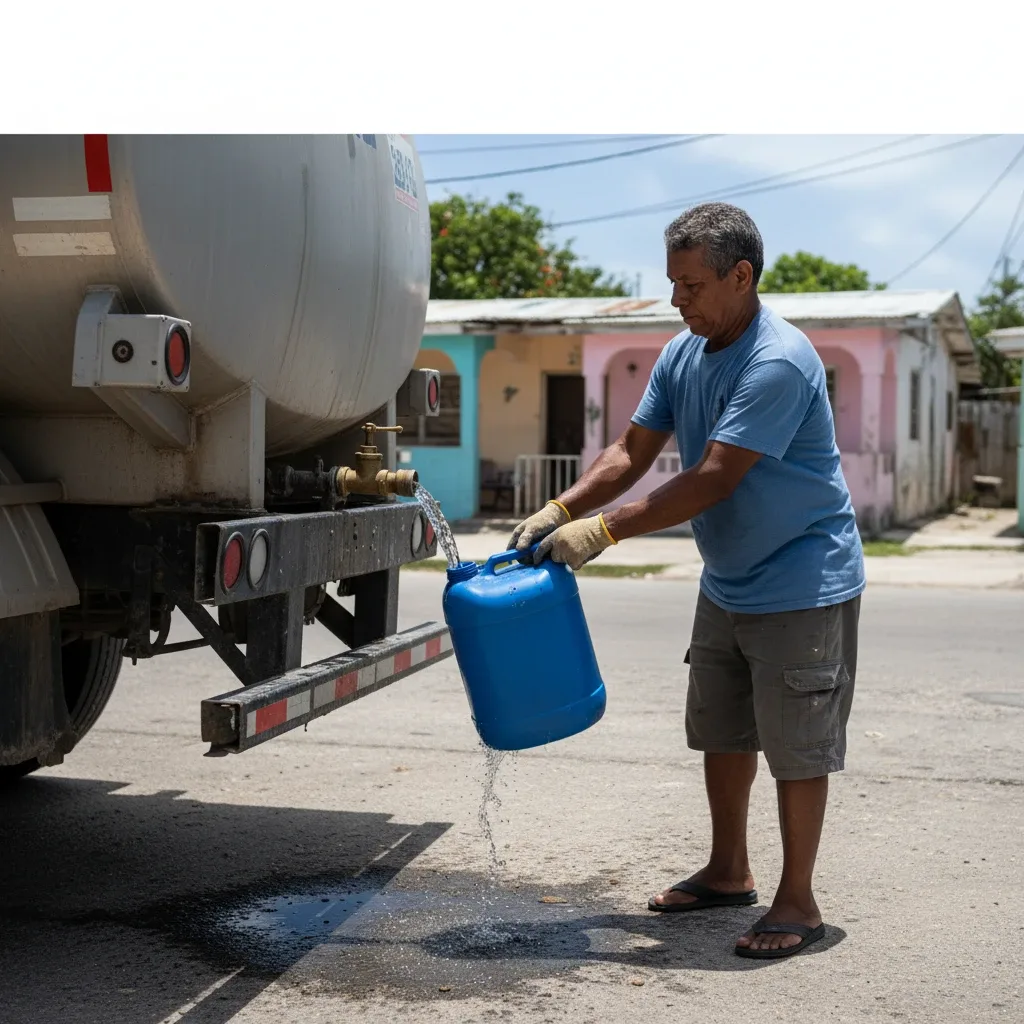
Loíza and Canóvanas Residents Experience Severe Water Restrictions
Loíza, Canóvanas, and Río Grande have been added to Puerto Rico's water emergency declaration as severe droughts dry out municipal reservoirs.

LUMA Energy Power Grid Upgrades Fail to Prevent Rolling Outages
A major substation failure has triggered widespread rolling blackouts in Puerto Rico, highlighting the ongoing fragility of the LUMA-operated grid.