LUMA Energy Power Grid Upgrades Fail to Prevent Rolling Outages

SAN JUAN — A major electrical substation failure in Bayamón triggered widespread rolling blackouts across northeastern Puerto Rico late Tuesday evening, leaving approximately 145,000 customers without electricity during high-demand night hours, according to municipal emergency management logs. The incident occurred despite recent federal funding allocations intended to harden the fragile transmission network.
KSAT reported that the sudden outage forced regional hospitals to activate backup diesel generators and disrupted water filtration systems in San Juan and Carolina. The private operator of the transmission system, LUMA Energy, faced immediate criticism from local mayors who demanded a formal legislative investigation into the company's maintenance compliance.
Bayamón Substation Failure Tripped Secondary Transmission Lines
Technical crews traced the root cause of the blackout to an explosion in a high-voltage transformer at the Bayamón TC-1 substation. The resulting electrical arc tripped three adjacent 115-kilovolt transmission lines, cascading the failure through the San Juan metropolitan loop.
Engineers worked through the night to reroute power, but full service was not restored to some outlying rural communities until late Wednesday afternoon. This latest infrastructure failure highlights the persistent instability of the grid, which remains a key concern even as Puerto Rico's energy grid undergoes solar integration to reduce reliance on centralized fossil fuel generation.
President Juan Saca Defends Grid Stabilization Performance
"The equipment that failed in Bayamón had exceeded its useful service life by nearly twenty years, highlighting the extreme starting point of our reconstruction efforts," LUMA Energy President Juan Saca said during a Wednesday press conference. "We are replacing these legacy systems as fast as the supply chain allows, but the grid remains structurally fragile in the interim."
Saca added that LUMA has deployed specialized thermal imaging drones to inspect other critical metropolitan substations to identify potential failure points before they trigger secondary blackouts. But municipal leaders argue that these preventive measures are too late to protect local businesses from operational losses.
Operational Data Reveals Rising Infrastructure Instability Rates
Performance metrics published by the Puerto Rico Energy Bureau indicate that the average duration of service interruptions has increased by 9 percent over the last two quarters. This trend contradicts the operator’s contractual performance targets and could lead to significant financial penalties.
- Over 45,000 smart meters remain offline due to communication errors
- Average response time for emergency repair crews in mountain zones is 4.2 hours
- Capital expenditures for grid modernization reached $230 million in fiscal year 2025
Local commercial groups warn that persistent outages are driving up operating costs for manufacturers who must run expensive backup generators. They are calling on the government to establish an independent technical oversight board to audit LUMA's capital deployment projects.
Historical Realities of the Island's Centralized Power Grid
Puerto Rico's electrical grid was constructed in the mid-20th century under a highly centralized model, with the majority of generation facilities located on the southern coast and primary consumption hubs in the northern metro area. This geographic separation requires power to be transmitted over rugged mountain terrain along aging, poorly maintained high-voltage lines.
Decades of deferred maintenance by the state-owned Puerto Rico Electric Power Authority left the system highly vulnerable to environmental factors. The transition to private management under LUMA Energy in 2021 was designed to resolve these systemic issues, but the pace of recovery has remained slow, resulting in ongoing friction between the operator, the government, and the public.
Mountain Municipalities Demand Grid Decentralization Measures
At a municipal assembly in Orocovis, mountain mayors advocated for the rapid deployment of regional microgrids powered by municipal solar arrays and industrial battery storage. They argued that localized generation is the only way to guarantee continuous power to critical medical facilities during regional grid failures.
And that is why community groups are organizing local energy cooperatives to bypass the centralized system entirely. The Energy Bureau is scheduled to hold public hearings on grid performance standards next month, where residents will have the opportunity to testify regarding the impact of ongoing outages.
Frequently Asked Questions
How do ongoing rolling blackouts affect municipal water distribution systems across the island?
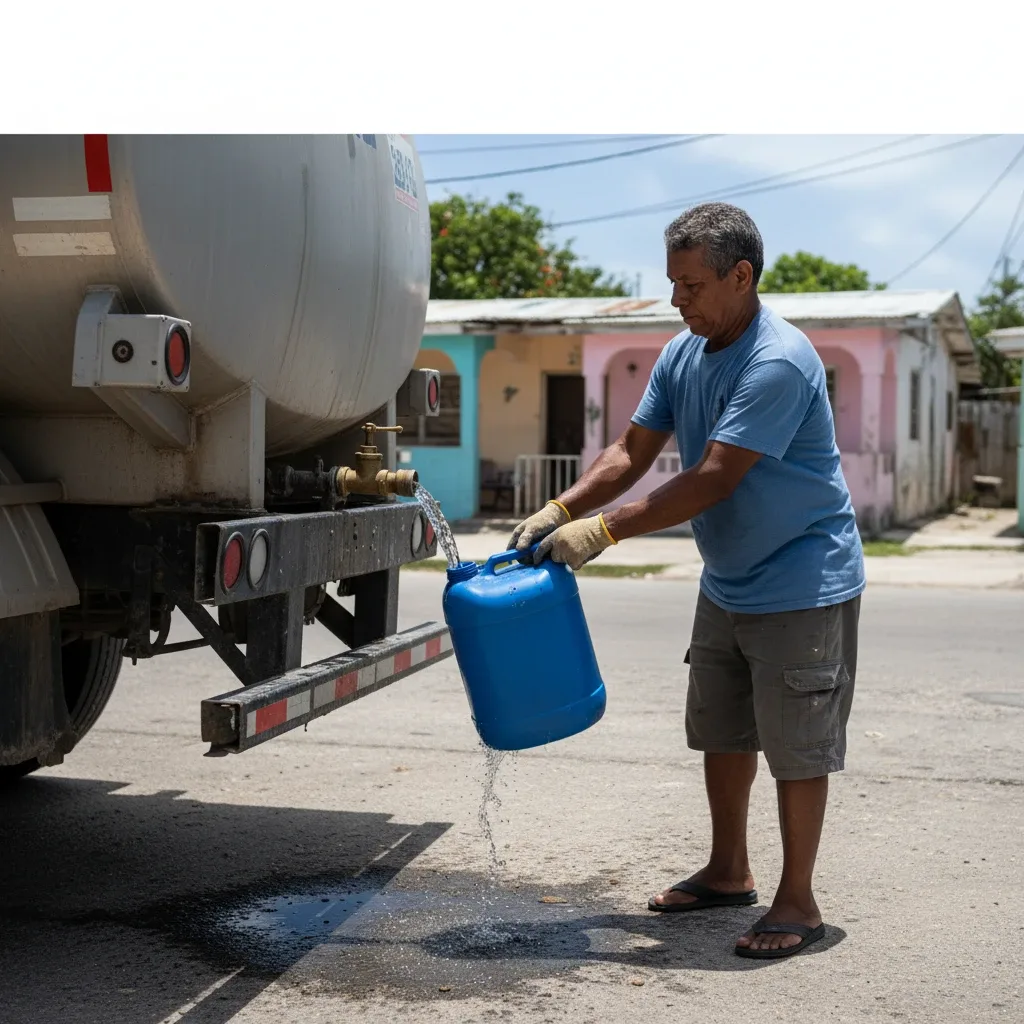
Because water filtration and distribution plants depend on high-voltage electric pumps, power outages frequently lead to immediate drops in water pressure. In many cases, a three-hour electrical outage can cause municipal water service to be disrupted for up to twelve hours as pipelines must be re-pressurized.
What legal recourses do local business owners have to recover losses caused by LUMA utility surges?
Business owners can file formal damage claims with LUMA Energy's customer service department, accompanied by certified technician reports and purchase receipts for damaged equipment. However, the claims process is historically slow, leading many business organizations to recommend purchasing specialized commercial surge protection insurance policies.
Written by
Newstrix AI
Encanto News